Hay Pellet Machine
Browse our 0.3–40 T/H hay pellet machine for sale. Convert alfalfa, grass and straw into high-quality animal feed or fuel pellets. Our equipment deliver high output and long service life, with full turnkey solutions on offer. Contact us today for a personalized quotation.
RICHI MACHINERY
Overview
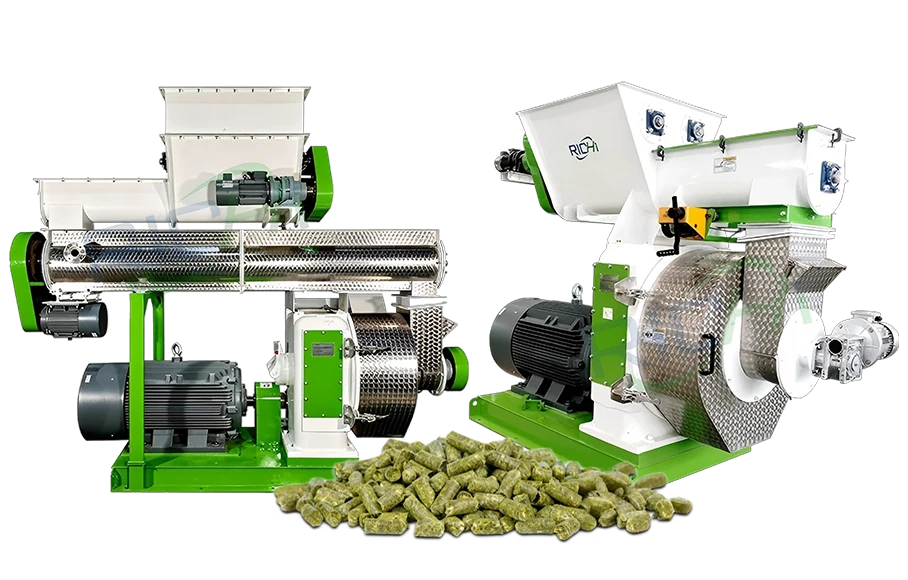
The hay pellet machine is a specialized machine designed to process forage materials—such as hay, alfalfa, fescue, crop stalks, ryegrass, and elephant grass—into compact pellets. These hay pellets can serve as roughage for livestock (including cattle, sheep, goats, horses, and rabbits) or be used as pellet fuel. To date, numerous customers worldwide have purchased our alfalfa pellet mills for a variety of applications.
RICHI hay pellet makers offer a wide capacity range, capable of producing between 0.3 and 40 tons of hay pellets per hour. Additionally, we provide customized hay pelletizing solutions with capacities reaching up to 100 tons per hour.
Project Videos
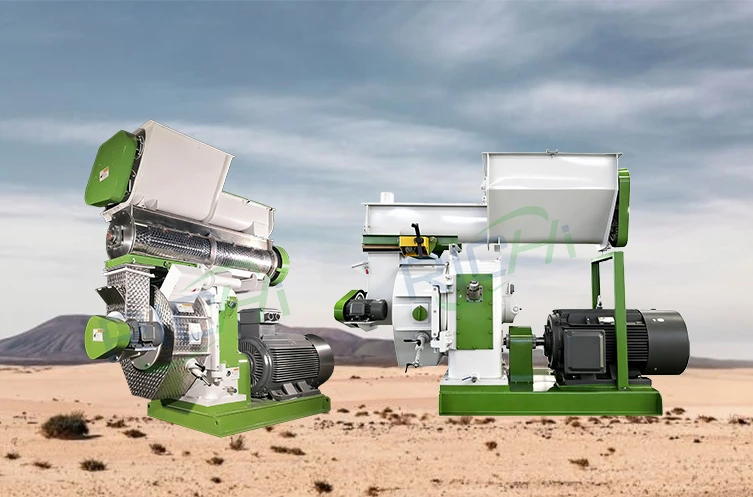
Here are videos showing our hay pellet press in operation for your reference. Through these videos, you can clearly see the outstanding performance of our machine and our expertise in designing hay pellet production lines.
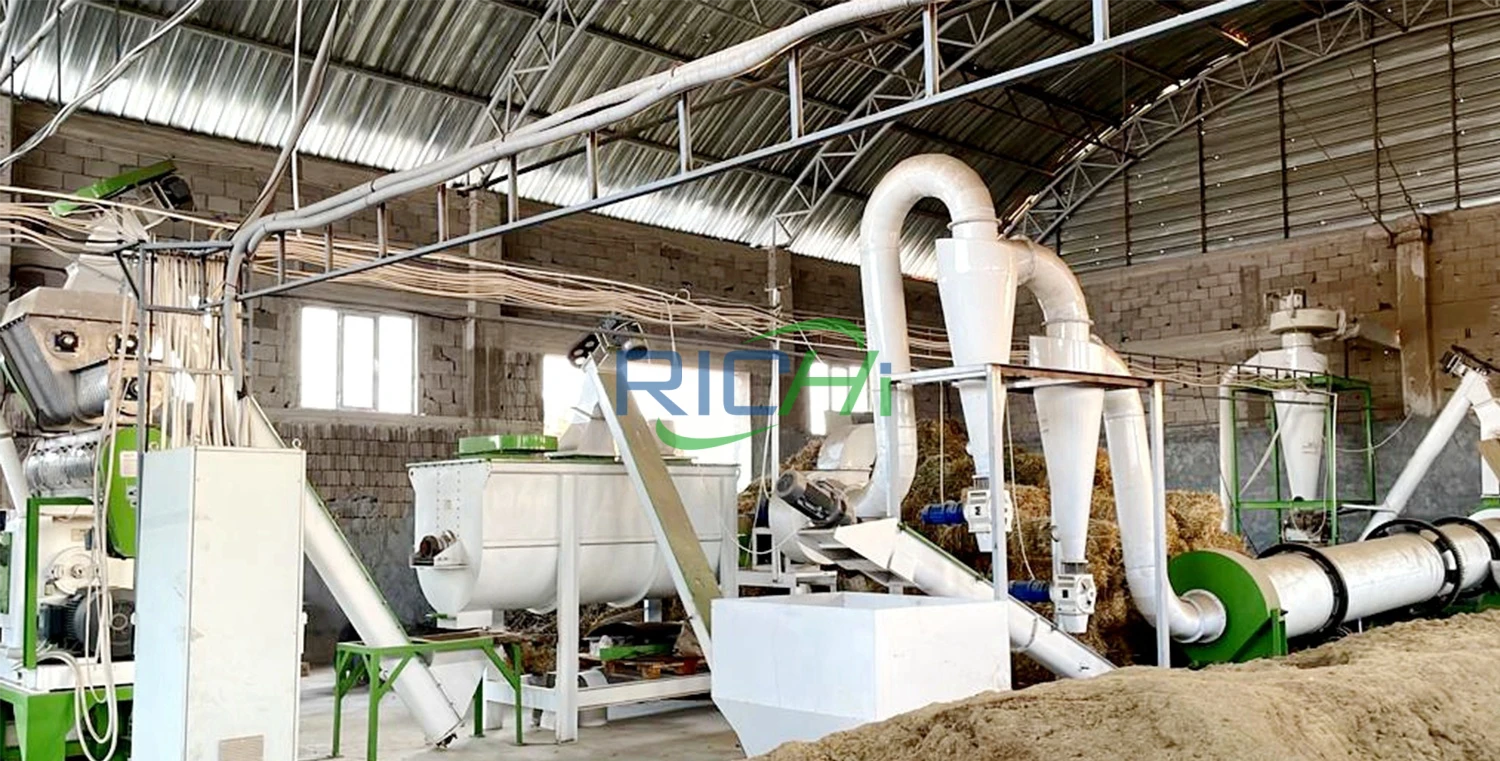
0.5-1 T/H Hay Pellet Machine for Sale Uzbekistan
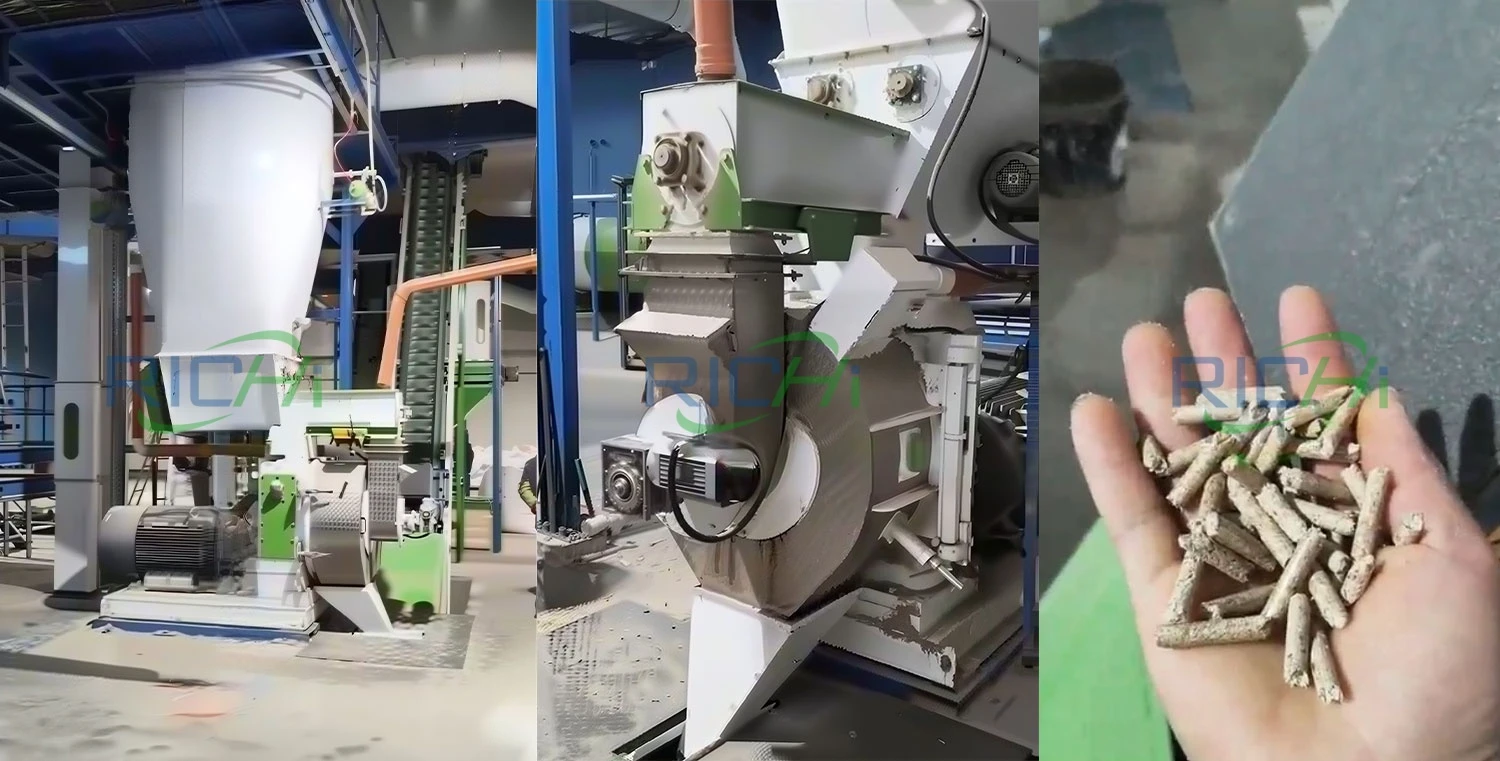
2-3 T/H Hay & Straw Pellet Machine for Sale USA
Technical Parameters
There are two main types of RICHI hay pellet machine for sale: one with a conditioner, designed for processing herbivore feed for cattle, sheep, and horses; and the other without a conditioner, ideal for manufacturing hay pellet fuel. Generally, the capacity of the hay pellet mill decreases as the hay content in the raw material increases.
| Model | CZLH320 | CZLH350 | CZLH420 | CZLH520 | CZLH678 | CZLH768 |
| Capacity(T/H) | 0.5-0.6 | 1.0-1.2 | 1.8-2.0 | 2.8-3.0 | 4.0-5.0 | 6.0-40 |
| Main Motor Power(kW) | 22 | 37 | 90 | 132 | 185 | 250 |
| Arch-Breaking Feeder Power(kW) | 2.2 | 2.2 | 3 | 3 | 3 | 4 |
| Forced Feeder Power(kW) | 0.75 | 0.75 | 1.5 | 1.5 | 1.5 | 1.5 |
| Ring Die Diameter(mm) | 320 | 350 | 420 | 420 | 673 | 762 |
| Ring Die Material: 42 CrMo/304 Stainless Steel Forced Feeder: worm gear reducer Gear Box: HT250 Gear and Gear Shaft: 42 CrMo Bearings: SKF brand Main Motor: Siemens motor | ||||||
If you want to know more details about our hay pellet maker, please feel free to contact us. We can recommend a suitable hay pelletizer for you based on your production scale and budget.
Because RICHI’s technology is constantly being updated and iterated, we will continuously upgrade and innovate our equipment. Therefore, the specific equipment parameters are subject to the actual quotation. We will provide more professional customized design and production services for each customer.

RICHI Hay Pellet Machine For Sale Worldwide
RICHI hay pellet mill for sale has been exported to dozens of countries worldwide, widely applied in fields such as roughage processing, biomass pellet fuel production, and animal bedding manufacturing. Here are some projects we have delivered for your reference.
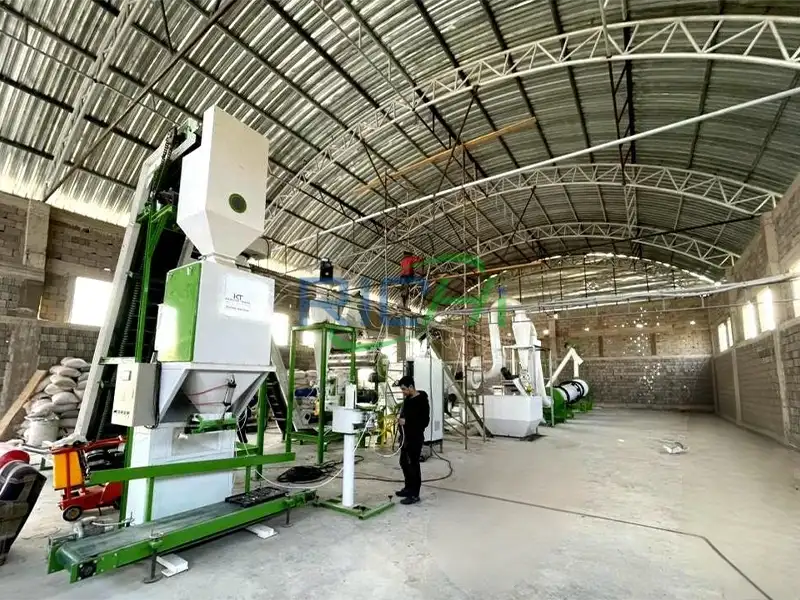
Uzbekistan 0.5-1 T/H hay pellet mill for Cattle & Goat Feed
There is strong local demand for roughage in the livestock sector; the client aims to process this material into pellets to reduce volume, facilitate storage and transport, and ensure nutritional balance.
The raw materials consist of up to 80% forage—primarily alfalfa, fescue, wheatgrass, and corn stalks—supplemented with small amounts of grains (such as corn flour and wheat flour) to optimize the nutritional profile.
The loose forage varies in length and has a moisture content of up to 50%, requiring grinding and drying prior to pelletization.
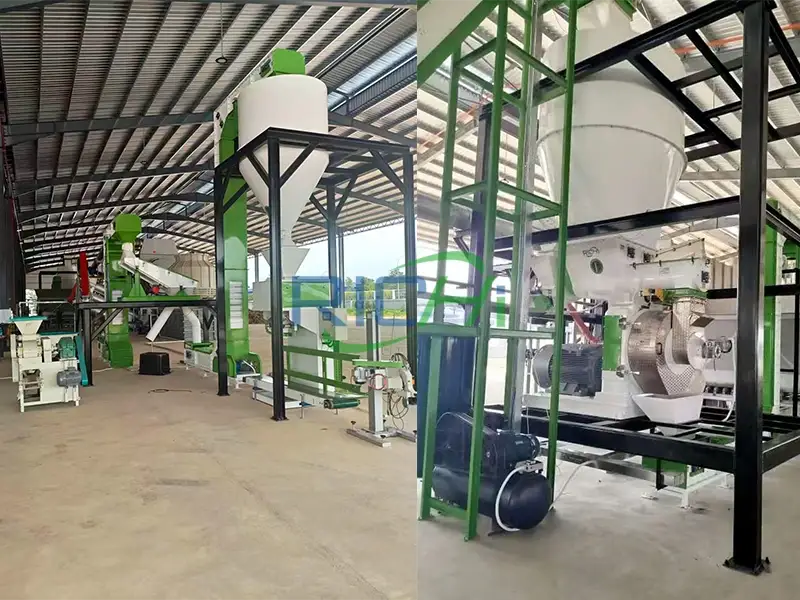
France 1.5-2 T/H Hay pellet maker for animal bedding
The client aims to transform abundant local low-value raw materials—such as forage grass and cereal straw—into high-value bedding products.
The primary raw materials consist of ryegrass, timothy grass, barley straw, and wheat straw, supplied in square bales measuring 80 cm × 80 cm × 180 cm; these require initial bale breaking and grinding.
Based on the material characteristics and production requirements, we configured a ring-die pellet mill with 6–8 mm die apertures, complemented by a bale breaker, forage grinder, cooler, and packaging machine.
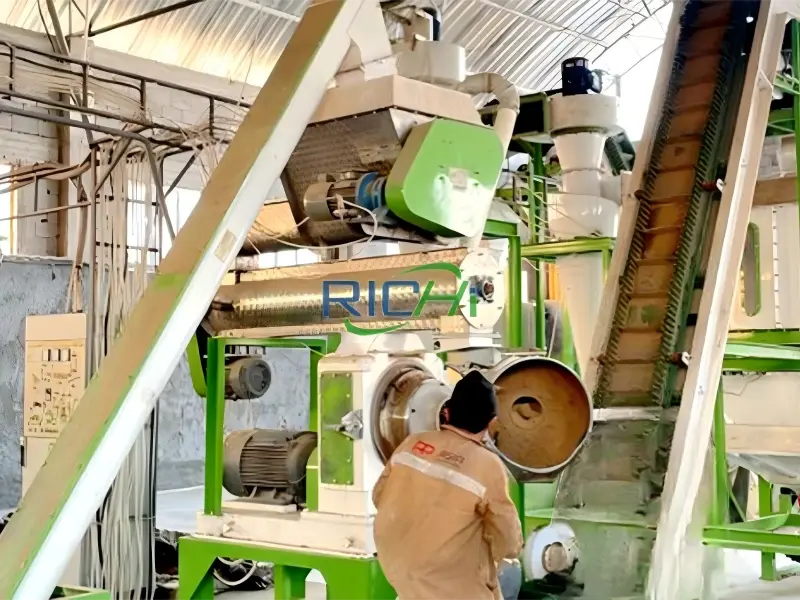
Iraq 2-3 T/H hay pellet mill for sale Ruminants feed
The client wishes to process roughage materials—such as local forage and crop stalks—into pellet feed for ruminants like cattle and sheep.
The raw materials consist primarily of locally ryegrass, alfalfa, oat hay, corn stover, and wheat straw, supplemented with small amounts of grains (such as wheat, corn, and barley) to adjust the nutritional balance and improve pellet formation. The forage is supplied in the form of round bales and some loose material; having been naturally air-dried to a moisture content of approximately 15%, it requires no further artificial drying.
To ensure optimal pelletizing results, we recommend a high-compression-ratio ring die, which allows high-fiber forage to be easily compressed into pellets with a forming rate of up to 98%.
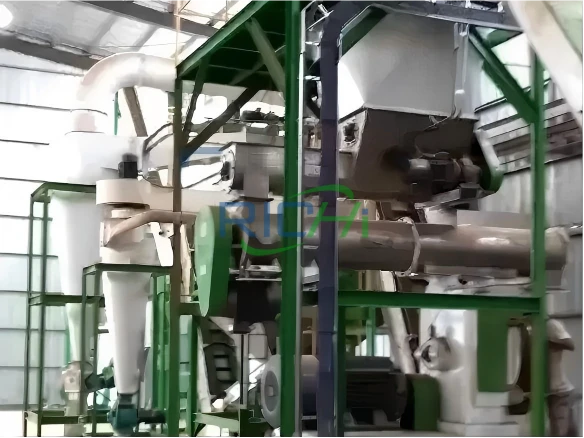
Argentina 3-4 T/H hay pellet Making machine for sale Beef &Dairy cattle feed
The hay pellet mill purchased by this Argentine client is specifically designed to produce roughage pellets for their cattle herds. In addition to alfalfa hay, the raw materials used include agricultural by-products such as corn, soybean meal, and rice bran.
The client operates a large-scale beef and dairy cattle farm and aims to produce pellet feed in-house to reduce feeding costs while improving feed palatability and digestibility.
The raw materials are primarily sourced from 45 cm × 45 cm × 100 cm square hay bales from nearby farms. The forage is naturally sun-dried before baling, resulting in a moisture content of approximately 10%–15%, eliminating the need for further drying.
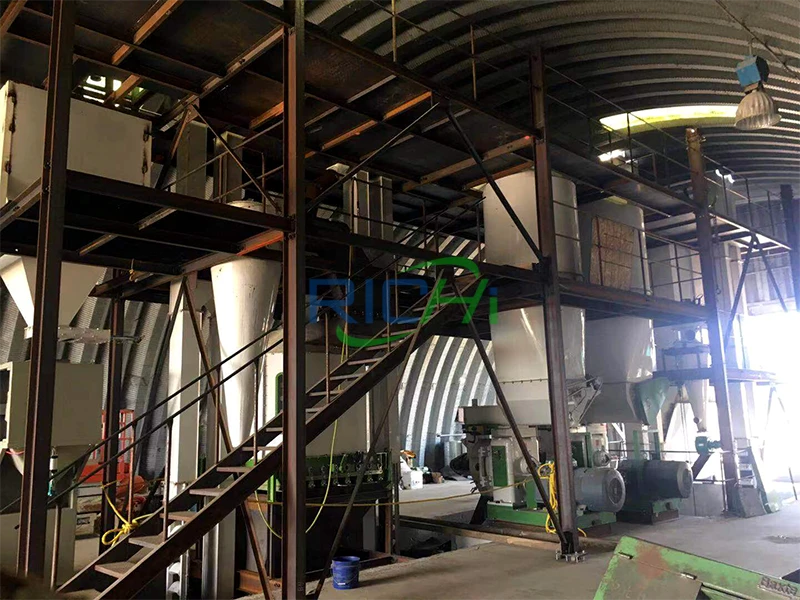
Bulgaria 3-4 T/H hay pellet Press for fuel Pellets
Recognizing the rapid growth of the European biomass pellet fuel market, the client sought to produce pellet fuel—characterized by high calorific value, low ash content, and ease of storage and transport—using raw materials such as hay, straw, wood chips, and sunflower seed husks.
As the raw materials have a moisture content of approximately 15%–20%, a drying process is required. The raw materials vary in size; they must first be crushed to a uniform particle size (3–5 mm) before pelleting.
To meet the specific requirements for fuel pellets, we equipped the system with ring dies featuring 8mm and 10mm apertures; these diameters facilitate optimal combustion, resulting in high pellet density and excellent calorific performance.
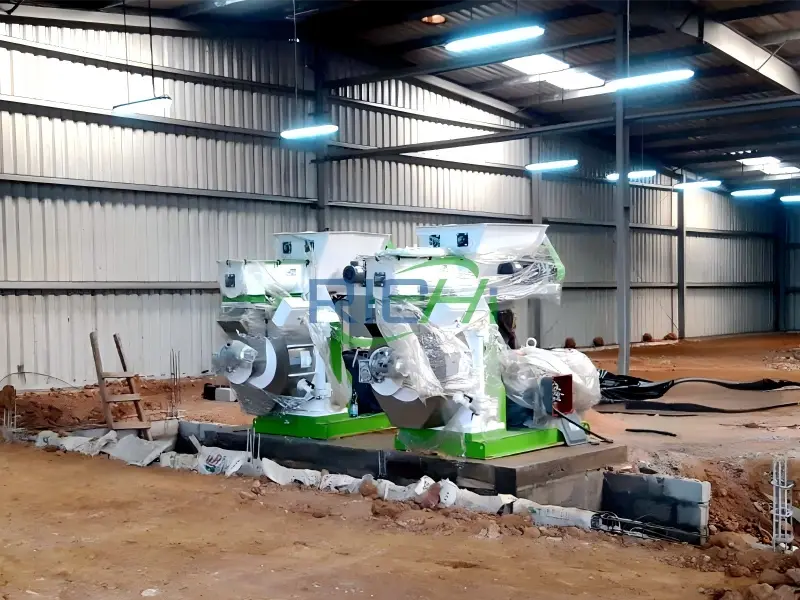
USA 4-5 T/H hay pelletizer for sale livestock Bedding
Converting hay and crop straw into pelleted bedding products solves the problems of high transportation costs, large storage space requirements, and difficulty in dust control associated with traditional loose bedding.
The client’s raw material consists of round hay bales measuring 5 meters in diameter and 4 meters in width, which require bale breaking and grinding prior to pelletization.
To achieve the target production capacity, we employ two hay pelletizers operating in parallel. Furthermore, the two mills serve as backups for each other; should one require a ring die change, routine maintenance, or experience a malfunction, the other can continue production, thereby avoiding the risk of a complete production line shutdown.
Why Choose US?
RICHI hay pellet machine is a new generation of energy-saving equipment that integrates the advanced industry pelleting technology. Our equipment features a high-specification, heavy-duty ring-die pelletizing system. Thus, it can efficiently compress high-fiber raw materials including alfalfa, Napier grass, ryegrass, and crop stalks into dense, uniform pellets.
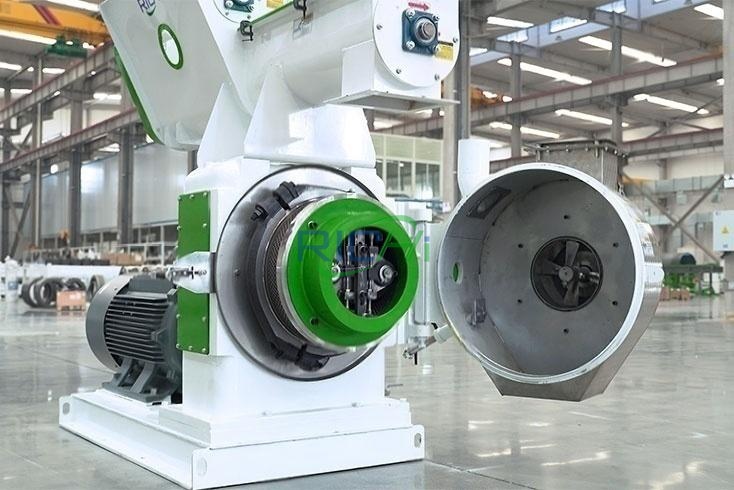
Wear-Resistant Ring Dies and Press Rollers
The ring die and press roller are manufactured from high-quality alloy steel and undergoes carburizing and quenching treatments; its wear resistance is approximately 20% higher than that of standard steel dies, significantly extending the service life of this wear part, eliminating the need for frequent replacements, and reducing maintenance costs. If you are producing pellet feed, you can choose wear parts made of stainless steel.
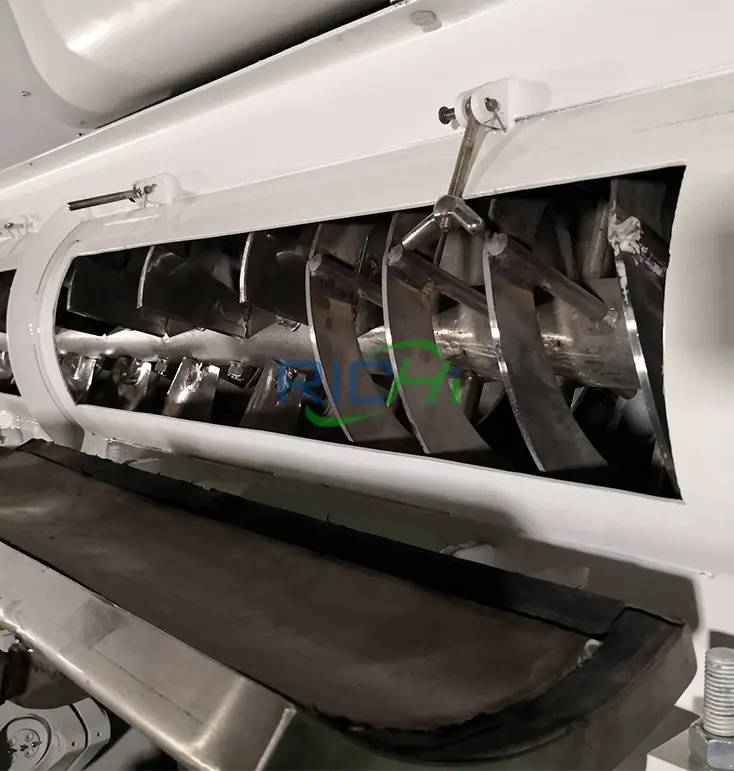
304 Stainless Steel Conditioner
For feed pellet production, we’ll equip a conditioner constructed entirely from 304 stainless steel, ensuring hygienic feed production at the source. The conditioner features an enlarged, elongated design with optimized paddle angles, effectively extending the material conditioning time; this ensures thorough gelatinization, cooking, and sterilization of the raw materials, thereby enhancing both the safety and palatability of the finished feed.
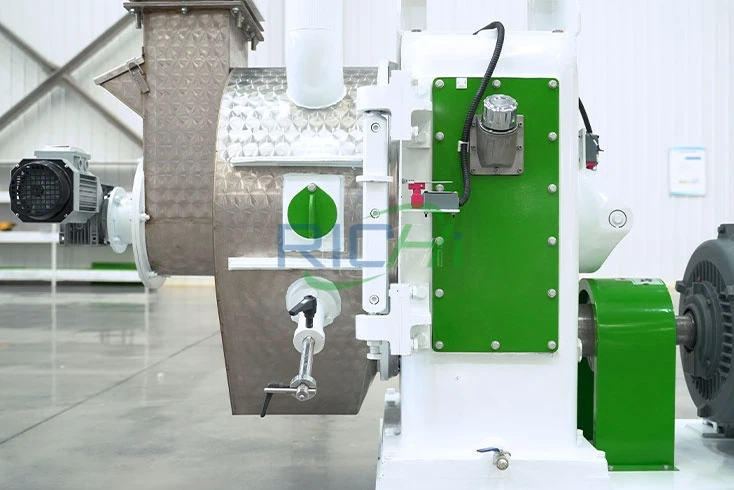
Heavy-Duty Gear Transmission System
This machine adopts an enclosed gearbox drive system that delivers stable and powerful output with excellent transmission efficiency, fully eliminating energy loss caused by belt slipping. All gears are subjected to hardening treatment for highly wear-resistant tooth surfaces. Able to withstand long-term friction under heavy loads, this drive system is ideal for high-intensity continuous pelleting production with fibrous raw materials.
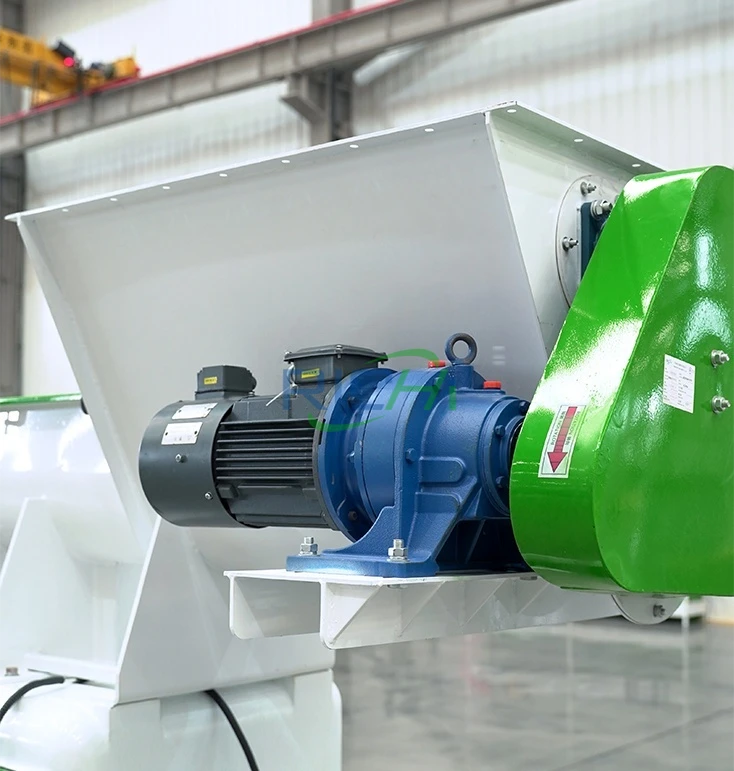
Variable-Frequency Differential Feeder
The feeder comes with an anti-bridging auger, effectively preventing the material from forming bridges. Controlled by a variable-frequency drive motor, the feeder automatically adjusts the feed rate based on the main motor’s load, thereby preventing equipment clogging or idling. Furthermore, if you are producing pellet feed, you can choose the feeder made of 304 stainless steel.
Suitable Raw Materials
Our hay pellet machine offers exceptional versatility regarding raw materials; in addition to various hay, it can process a wide range of agricultural waste products—such as crop stalks, rice husks, peanut shells, palm fibers, and more. Besides, if your objective is to produce animal feed, our machine can effectively process various raw grains and subsidiary agricultural products like corn, wheat, soybean meal, rice bran and so on.
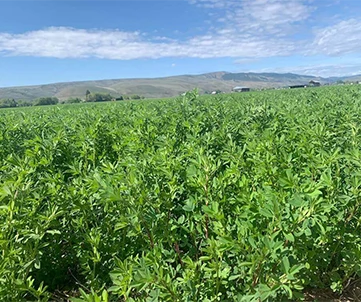
alfalfa hay
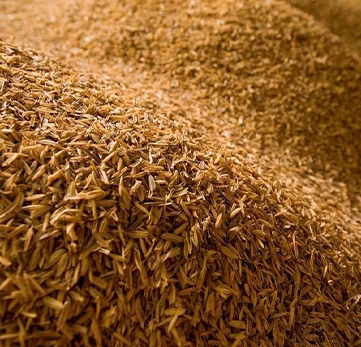
rice husk
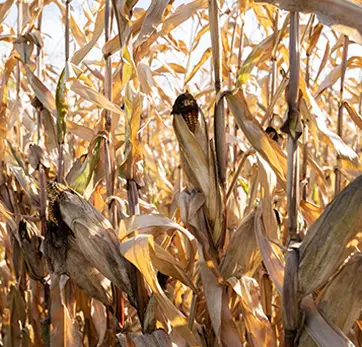
corn stalk
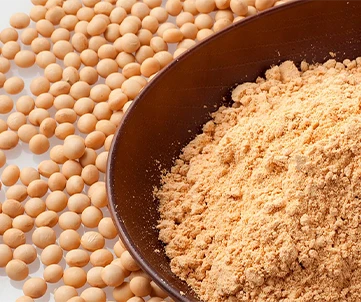
soybean meal
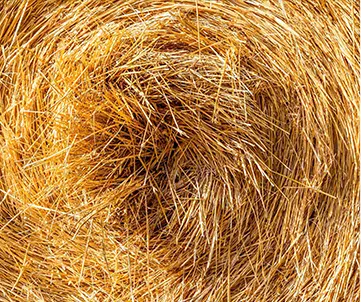
rice straw
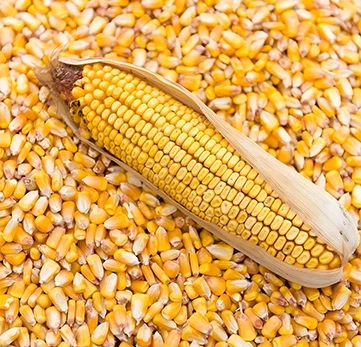
corn
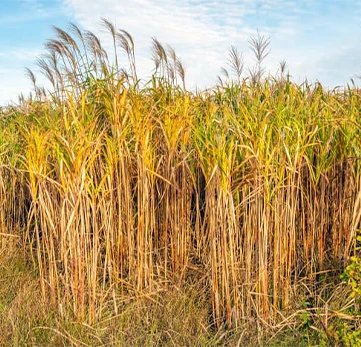
elephant grass
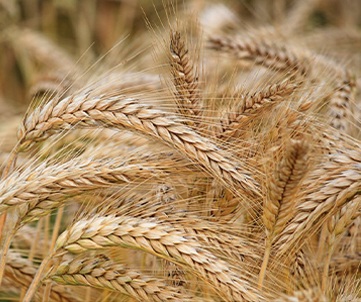
wheat
How to Make Hay Pellets
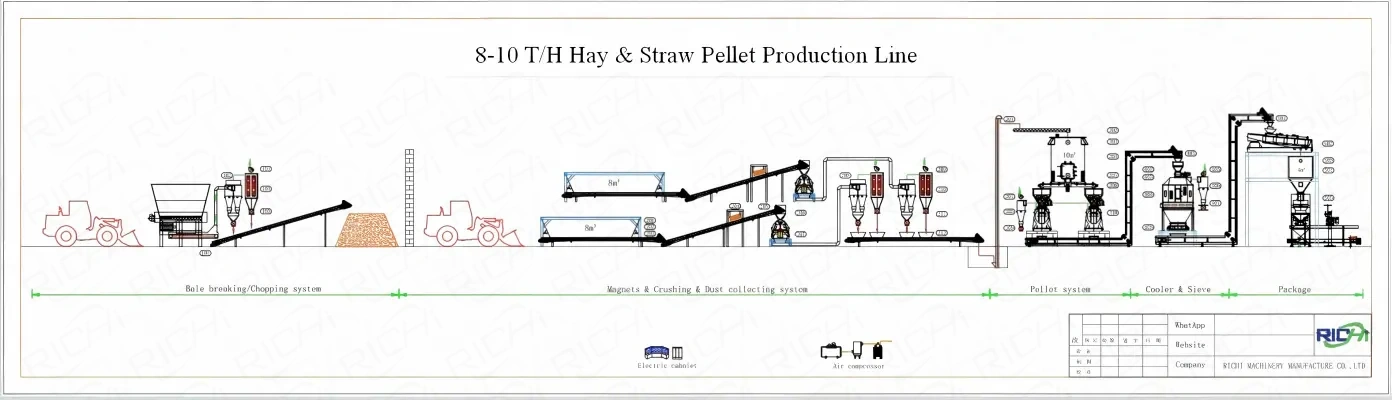
Making hay pellets requires not only a hay pellet machine but also a complete hay pellet processing line. The diagram below illustrates the process flow of our custom-designed hay pellet production line, which has a rated capacity of 8 to 10 tons per hour for biomass fuel production. The line comprises five main sections: raw material pretreatment, grinding and impurity removal, pelletizing, cooling and screening, and finished product packaging. Each section is equipped with independent dust removal and material conveying systems, with buffer bins positioned between process stages to manage fluctuations in throughput. This design effectively addresses challenges such as the low bulk density of forage materials, the tendency to cause equipment blockages, and high dust generation.
1
Bale Breaking & Chopping Process:
The client’s raw material are hay and straw bales, which must first be unpacked and loosened before being cut and shredded, reducing 1–2 meter-long straws into short pieces of 3–5 cm.
2
Magnets & Crushing & Dust Collecting Process:
Two material storage silos are installed, each connected to its respective crushing section. A high-intensity magnetic iron separator is fitted to the discharge conveyor belt of each silo to capture metallic impurities from the hay. Two pulverizers are arranged in parallel to share a total production capacity of 8–10 t/h. Each unit is independently equipped with a cyclone separator and a bag filter system to separately collect fine powder and recover usable hay fragments, while ensuring a dust-free plant environment.
3
Pelletizing Process:
The pulverized hay is conveyed to a 10m³ storage bin, ensuring a stable and sufficient supply of material for continuous operation of the pellet machine. The pelletizing section is equipped with two ring-die hay pelleting machines operating in parallel.
4
Cooling & Screening Process:
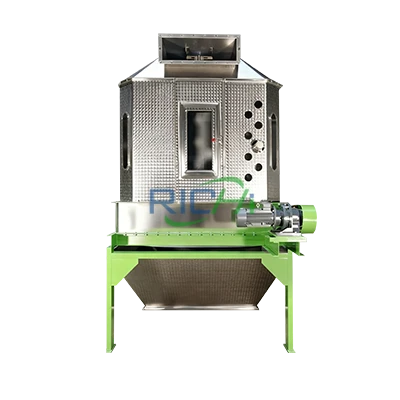
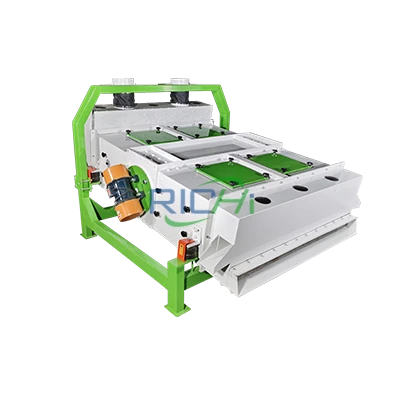
The freshly extruded pellets have a temperature of 80–90°C and a relatively high moisture content; a cooler is required to lower the pellet temperature to room temperature, reduce moisture, and increase pellet hardness. Then, the cooled hay pellets undergo screening, separating them into pellets meeting specifications, fines and broken particles, and oversized particles.
5
Packing Process:
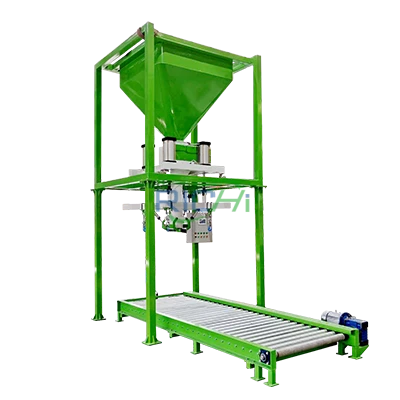
Compliant hay pellets that meet the screening specifications are stored in a 6m³ finished product silo, which serves as a stable buffer for the material. An automatic bagging machine is installed beneath the silo to weigh and bag the material automatically according to preset weights.
Supporting Equipment
RICHI Machinery is a one-stop turnkey supplier for hay pelletizing projects. We provide not only the hay pellet machine but also a complete range of processing equipment, such as bale breakers, grinders, dryers, mixers, coolers, screeners, and balers. Whether you aim to produce animal feed or biomass pellet fuel, we can design a comprehensive solution tailored to your needs.
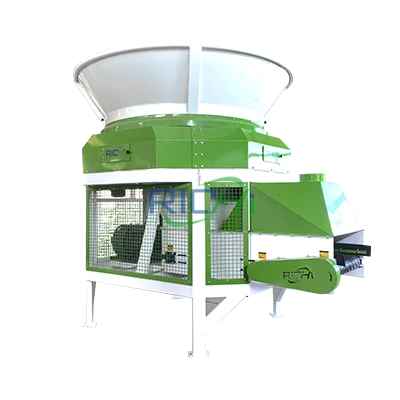
Hay Bale Breaker Machine
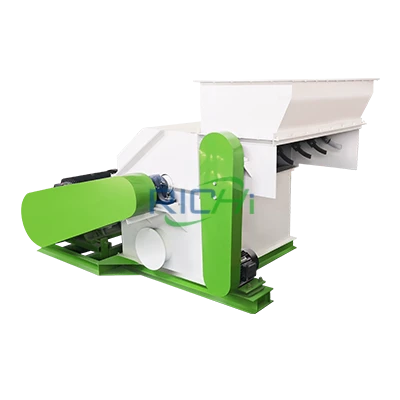
Hay Crushing Machine
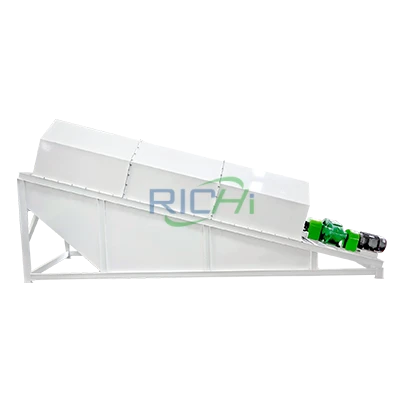
Hay Powder Cleaning Machine
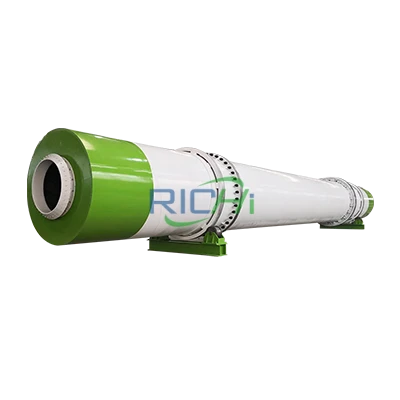
Rotary Dryer Machine
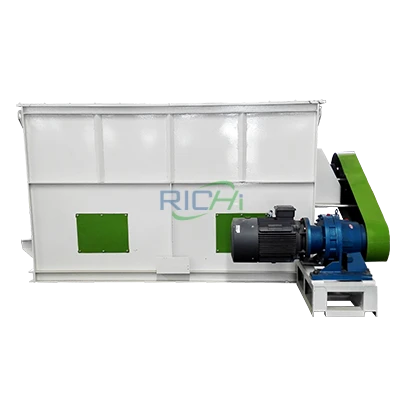
Hay Mixing Machine

Frequently Asked Questions
Does the hay moisture content affect pellet quality?? Is an additional drying system required?
Generally speaking, if you wish to produce pellet fuel or animal bedding, the hay moisture content should ideally not exceed 15% in order to improve the pellet formation rate.
How finely do the raw materials need to be ground before entering the hay pelletizing machine?
Our machine can process hay with a particle size of approximately 3–5 mm. If your raw material are hay or straw bales, they must first be broken apart. We recommend using a bale breaker and a hay shredder in tandem; the screen aperture for the shredder should be selected as 4mm, 6mm, or 8mm, depending on the raw material.
What materials are suitable for your equipment
Our hay pelleting machine is suitable for a wide range of forage and stalk-based raw materials, including—but not limited to—alfalfa, oat hay, timothy grass, ryegrass, peanut vines, soybean stalks, rice straw, and wheat straw. We can recommend the appropriate ring die aperture and compression ratio based on your specific raw materials to ensure optimal pellet quality.
What is the approximate price of a hay pelletizer?
The prices of hay pelletizers vary significantly depending on their configuration and production capacity. The price range for our hay pellet mills is approximately $7,500 to $88,000.
How long is the warranty for your hay pellet machine?
Our equipemnt comes with a one-year warranty. During the warranty period, should the machine experience any non-human-induced malfunctions, we will dispatch an engineer to your location to perform the necessary repairs. (view our YouTube)