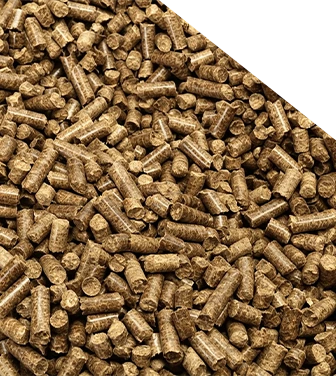
Leaf Pellet Mill
Production Capacity
0.2-4 T/H
Pellet Diameter
4-12 mm

RICHI Manufacture
Equipment Videos
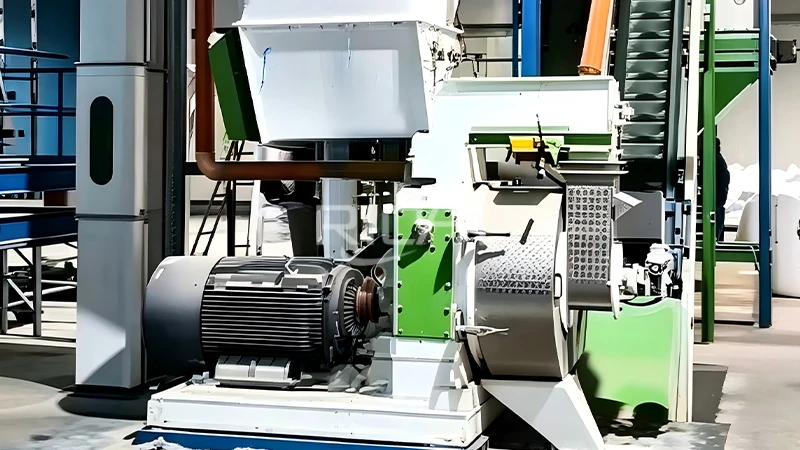

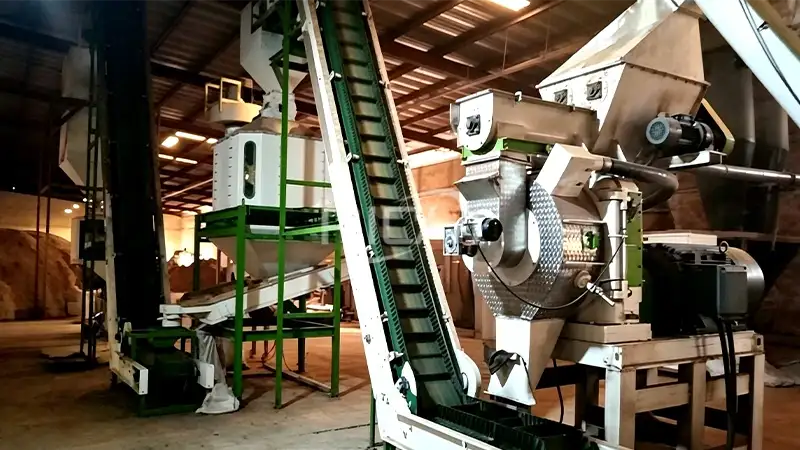
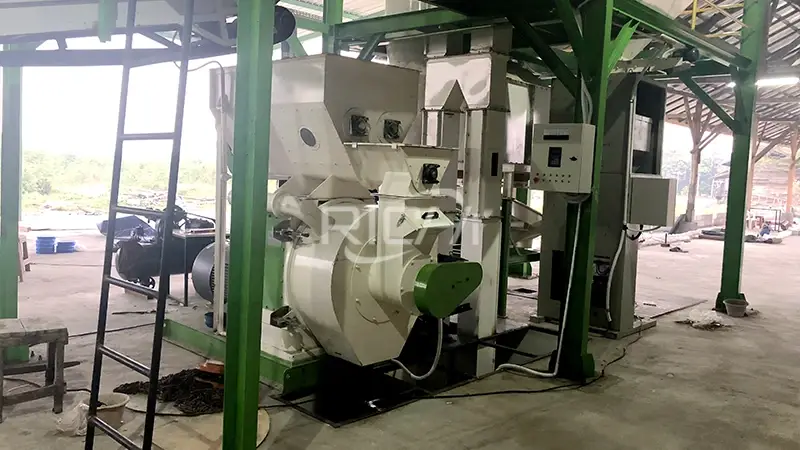
These three videos show our leaf pellet mills for different clients. The first client is from Russia; his only raw material is tree leaves, but the moisture content fluctuates significantly. That is why he has to add a complete drying section in his pellet line to get stable finished pellets. The second client, from Turkey, is looking to replace aging equipment with a pellet mill that offers stable operation and a high pellet formation rate. The third client, from Vietnam, intends to process palm leaves and palm fibers into pellet fuel for export.
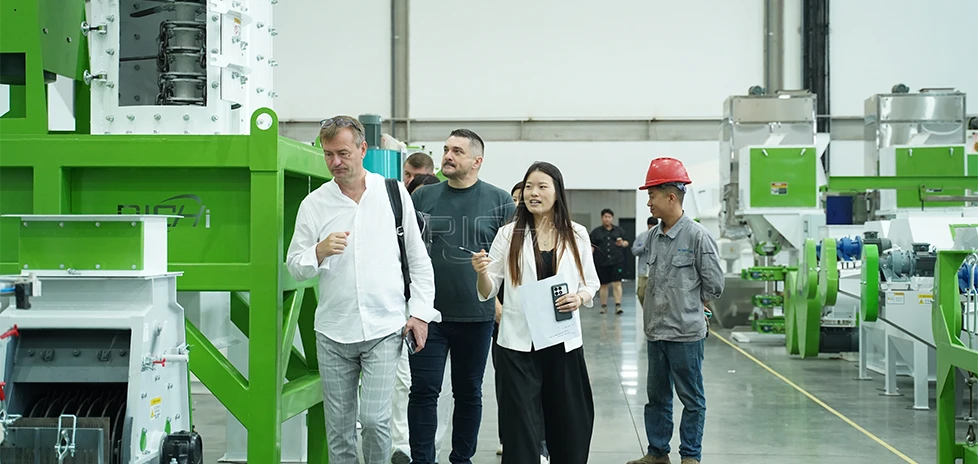
Different raw material conditions and finished product requirements call for tailored system designs and equipment configurations. We customize leaf pelletizing solutions to meet your specific needs. We provide comprehensive turnkey services, including layout design, equipment installation, and personnel training. You simply need to prepare the site and raw materials to begin production immediately.
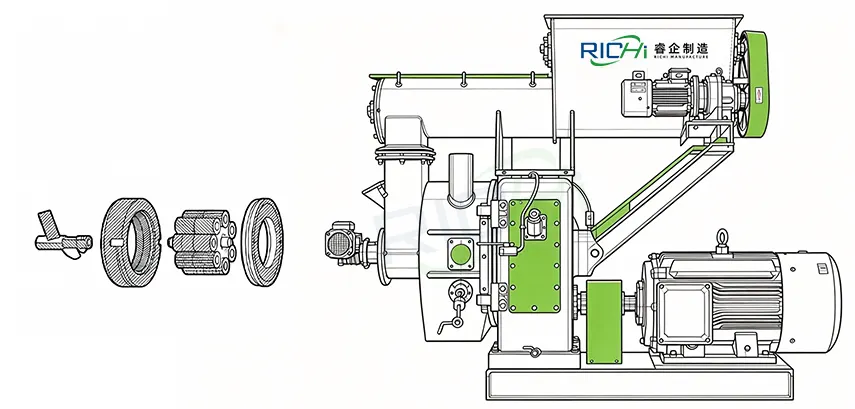
RICHI Manufacture
Leaf Pellet Mills for Sale Worldwide
The following information outlines specific details regarding leaf pellet mill purchases by various customers. It covers aspects such as target production capacity, raw materials, initial moisture content, pre-treatment, and the diameter and length of the finished pellets for your reference.
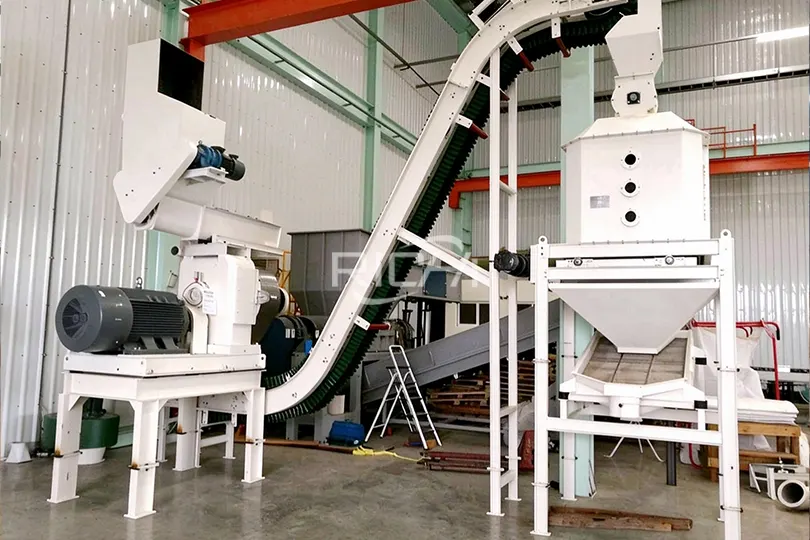
0.2-0.3 T/H Leaf Pellet Machine in Russia
Client Profile: municipal landscaping management department
Raw Materials: Landscape waste, including branches, pruning residues, leaves, and grass clippings.
Initial Moisture Content: 30%–60%
Pre-treatment Required: Yes. Branches must first be chipped into small pieces (3–5 cm), and the moisture content of the raw material needs to be reduced to below 15%.
Finished Pellet Size: 8 mm in diameter, 3-4cm in length.
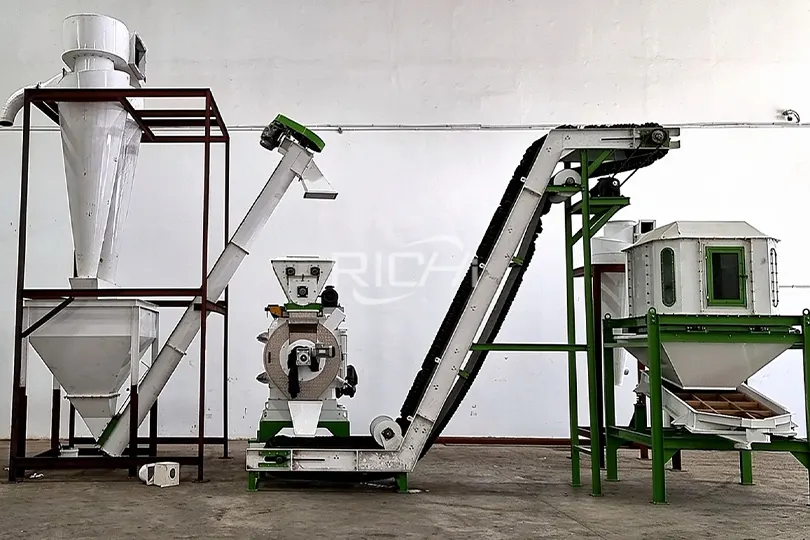
0.2-0.3 T/H Leaves Pellet Machine in Germany
Client Profile: farm owner
Raw Material: Tree leaves
Initial Moisture Content: 10%–20% (naturally air-dried)
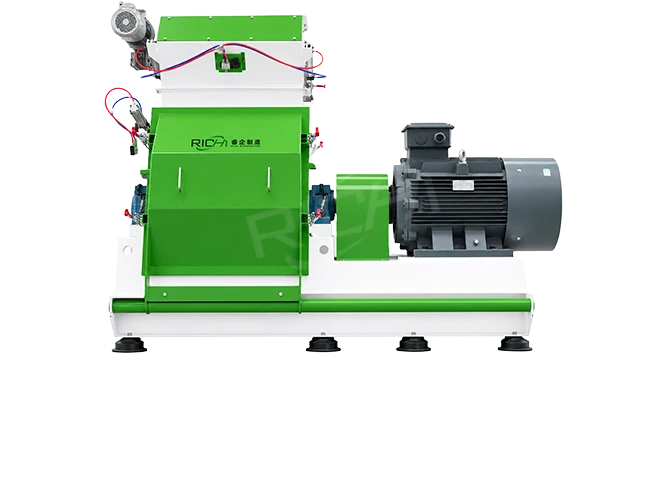
Pre-treatment Required: Yes. We supplied a leaf hammer mill.
Finished Pellet Size: 10 mm diameter, 4–5 cm length.
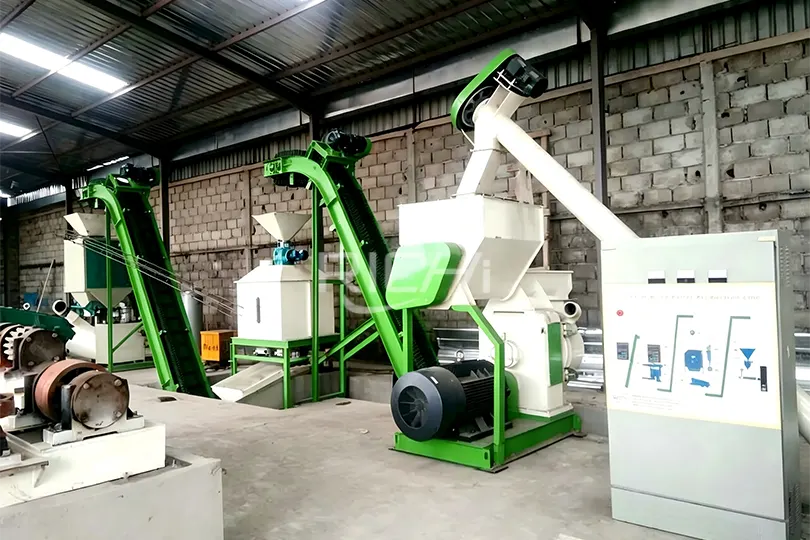
0.3-0.5 T/H Leaf Pellet Mill in Portugal
Client Profile: biomass pellet fuel manufacturer
Raw Materials: Mixed agricultural and forestry residues
Initial Moisture Content: 12%–18% (raw materials are air-dried).
Pre-treatment Requirements: Only a crusher is installed; no dryer is being added due to budget constraints. The air-drying method results in significant fluctuations in raw material moisture content, which affects the quality of the pellet formation.
Finished Pellet Size: 10 mm in diameter, 3-6cm in length.
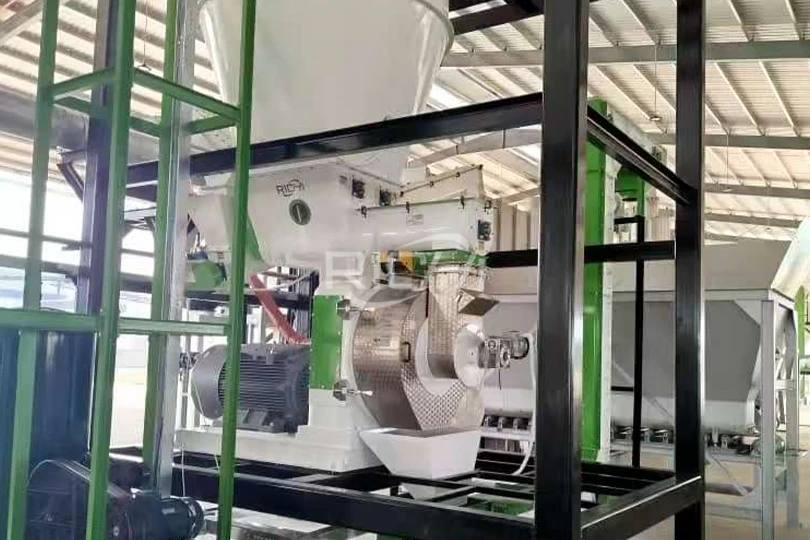
1.0-1.2 T/H Leaves Pellet Mill in France
Client Profile: oil palm plantation owner
Raw Materials: Palm fronds, palm fibers
Initial Moisture Content: 20%–40%
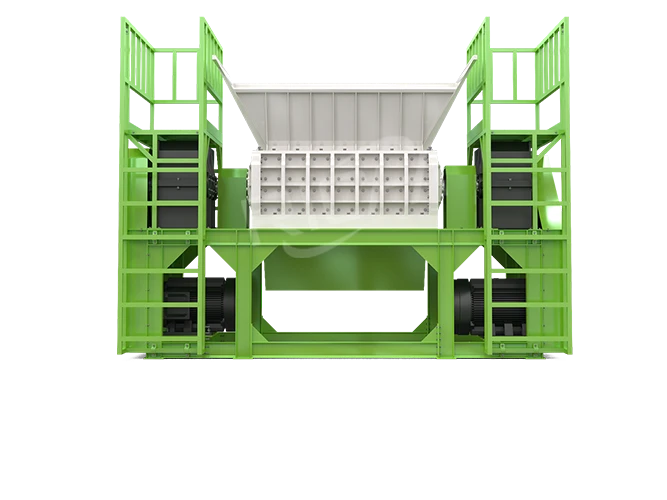
Pre-treatment Requirements: Shredding and drying are required. Palm fibers are long, tough, and prone to tangling, making them suitable for processing with a shredder.
Finished Pellet Size: 8 mm diameter, 3–5 cm length.
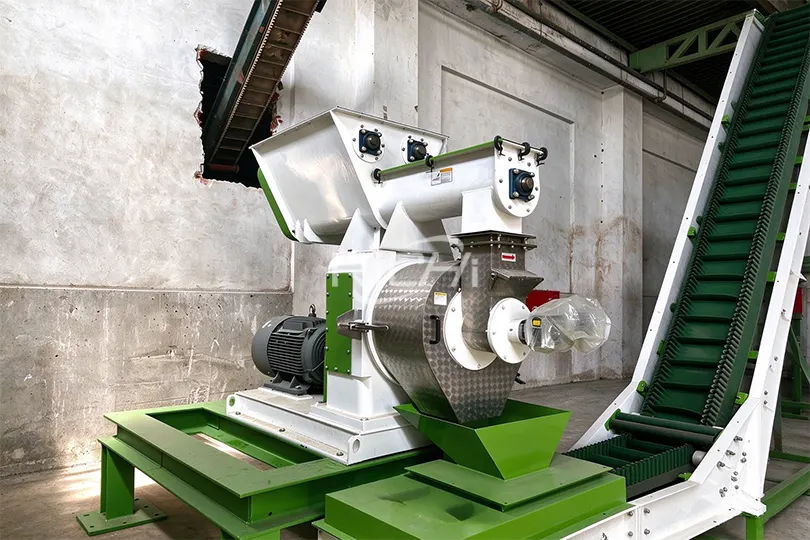
1.5-2.0 T/H Leaf Pellet Maker in Korea
Client Profile: Agricultural enterprise
Raw Materials: Mixed deciduous branches and other garden waste
Initial Moisture Content: 20–30%
Pre-treatment Required: Yes. Raw materials must be shredded to a particle size of 3–5 mm and dried to reduce moisture content to 10–12%.
Finished Product Sizes: 6–8 mm; 3–5 cm.
RICHI Manufacture
Widespread raw material adaptability
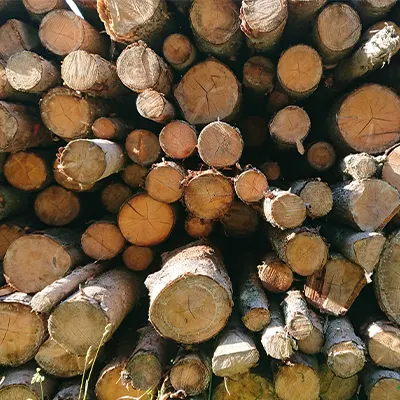
Logs
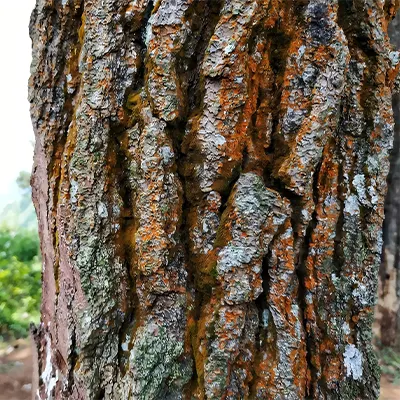
Tree Bark
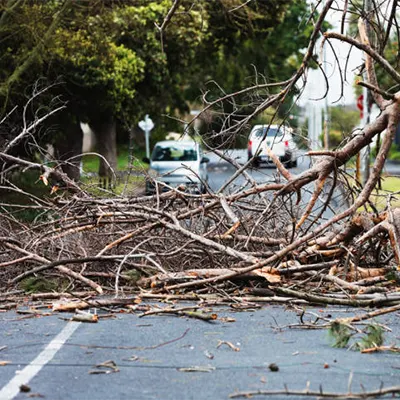
Tree Branches

Fallen Leaves

Banana leaves
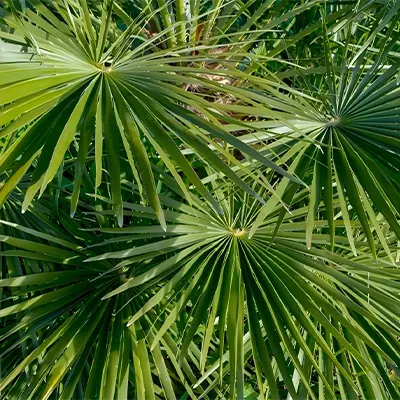
Palm leaves
Customers utilize a wide variety of raw material combinations—ranging from ordinary fallen leaves to mixtures of bark, branches, and logs, or even foliage such as banana and palm leaves—with varying initial moisture content. RICHI customizes complete pelletizing solutions based on the specific characteristics of the raw materials, employing tailored pre-treatment processes to ensure that diverse biomass feedstocks can be successfully converted into high-quality pellets.
RICHI Manufacture
technical features
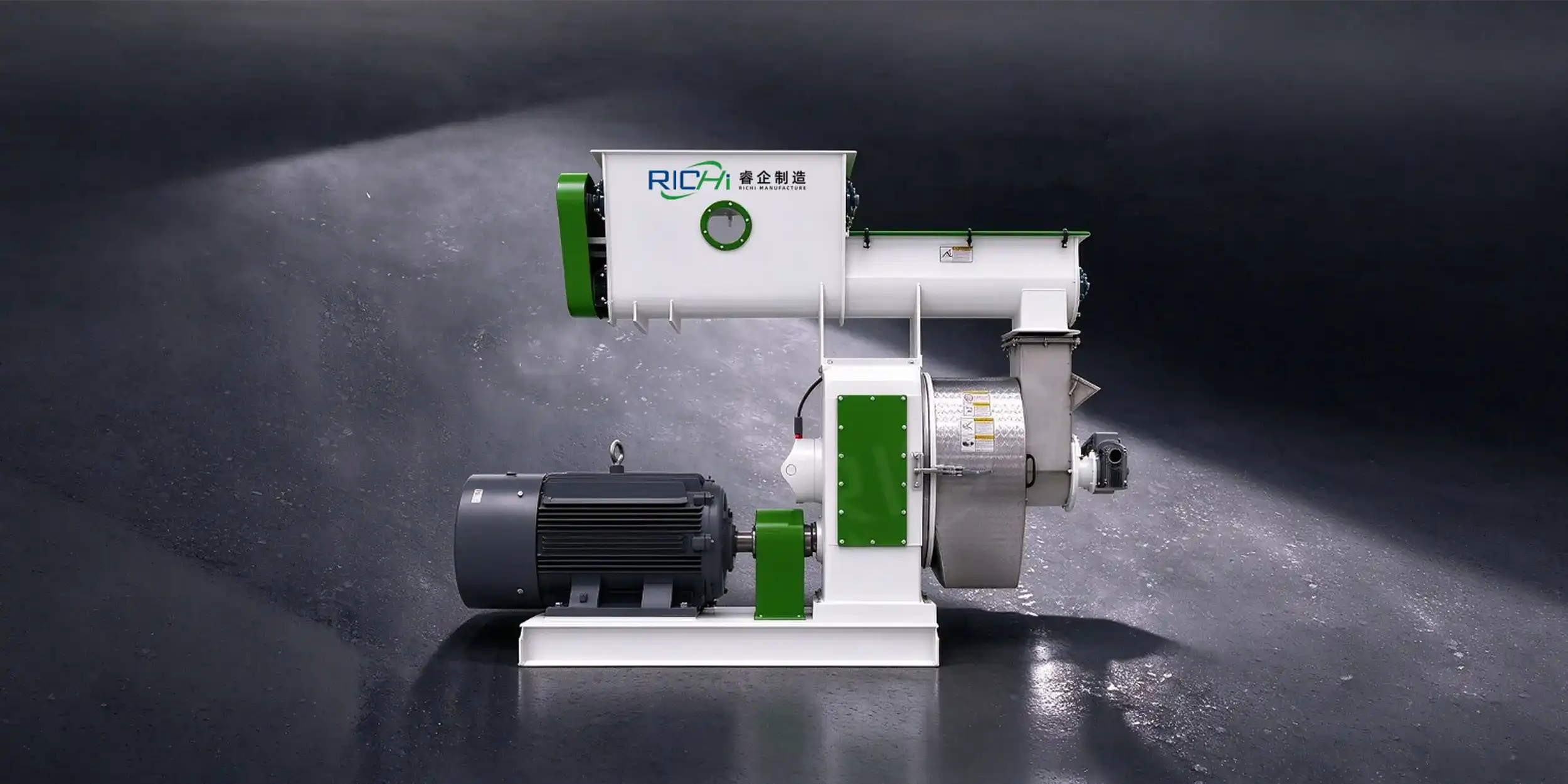
Variable-frequency feeder
The feeder features a variable-frequency speed-control motor that automatically adjusts the feeding speed to prevent equipment idling or overloading.
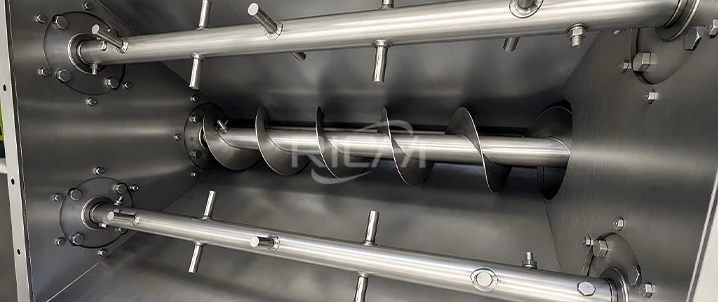
Anti-bridging auger
Pelletizing Chamber
High-hardness ring die; wear-resistant roller; automatic lubrication system.
Gear drive system
Hardened-gear reducer delivers over 95% transmission efficiency. Gears are carburized, quenched and ground— smooth, quiet operation with a long service life.
RICHI Manufacture
Key Components
Ring Die
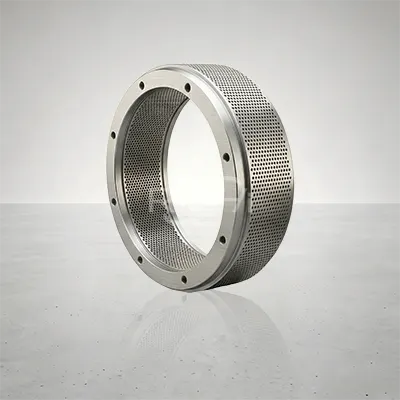
The ring die is forged from stainless steel, carburized and quenched for high hardness, wear and corrosion resistance. Compression ratio adapts to your feed formula; ddie holes available in 4–12 mm diameters, evenly distributed for uniform pellet size and steady output.
Press Roller Assembly
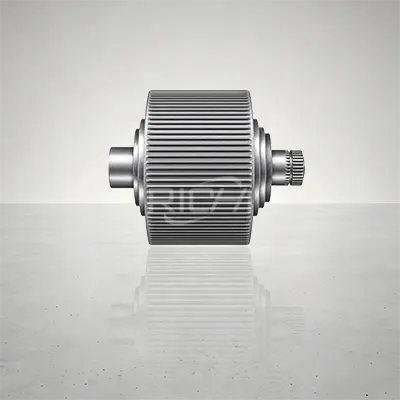
The press roller is machined with grooved teeth for strong gripping and no slipping. SKF bearings provide excellent wear and fatigue resistance. The eccentric shaft mechanism enables quick clearance adjustment between the rollers and ring die.
Siemens Motor
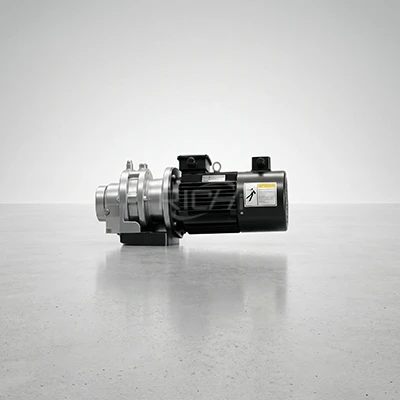
The Siemens main motor delivers high energy efficiency and low power consumption in long-term operation. IP55-rated against dust and water splash, perfect for dusty feed mill conditions.
Spiral Auger
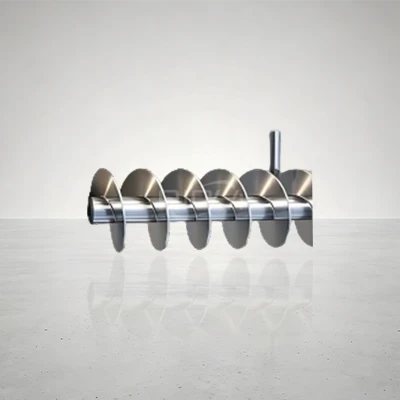
The feeder uses variable-frequency control, interlocked with the main motor, so it never chokes at startup and automatically slows down under overload. The auger constantly stirs the material, preventing bridging.
High hardness Cutter
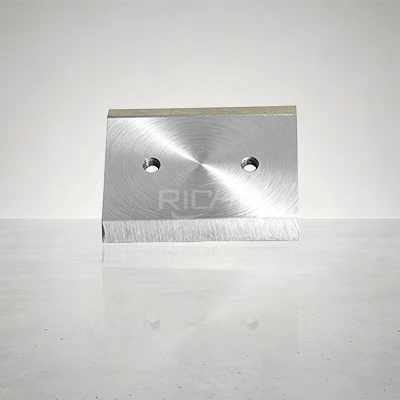
The sharp blade with an optimized edge angle cuts cleanly — pellets get smooth ends, no burrs and no sticking. The blade-to-die gap is finely adjustable via a handle, allowing positioning without stopping the machine or opening the cover.
Safety device
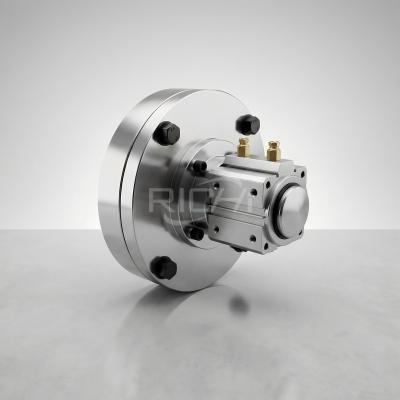
Shear pin protection auto-stops the machine during metal intrusion or material jams to protect the die and gearbox. The door interlock instantly cuts power when the cover opens for worry-free safe operation.
RICHI Manufacture
Technical Parameters
| Model | MZLH320 | MZLH350 | MZLH420 | MZLH520 | MZLH678 | MZLH768 |
|---|---|---|---|---|---|---|
| Capacity(T/H) | 0.2-0.3 | 0.3-0.5 | 1.0-1.2 | 1.5-2.0 | 2.5-3.0 | 3.0-4.0 |
| Main Motor Power (kW) | 22 | 37 | 90 | 132 | 185 | 250 |
| Feeder Power (kW) | 2.2 | 2.2 | 3 | 3 | 3 | 4 |
| Forced Feeder Power (kW) | 0.75 | 0.75 | 1.5 | 1.5 | 1.5 | 1.5 |
| Ring Die Diameter(mm) | 320 | 350 | 420 | 420 | 673 | 762 |
| Pellet Diameter (mm) | 4-12 | |||||
| Price (for reference only) | $15,000 | $20,500 | $29,600 | $45,100 | $67,100 | $80,500 |
| Ring Die Material: 42 CrMo Forced Feeder: worm gear reducer Gear Box: HT250 Gear and Gear Shaft: 42 CrMo Bearings: SKF brand Main Motor: 4/6/8P Siemens motor | ||||||
Because RICHI’s technology is constantly being updated and iterated, we will continuously upgrade and innovate our equipment. Therefore, the specific equipment parameters are subject to the actual quotation. We will provide more professional customized design and production services for each customer.
RICHI Manufacture
How to Make Pellets from Leaves
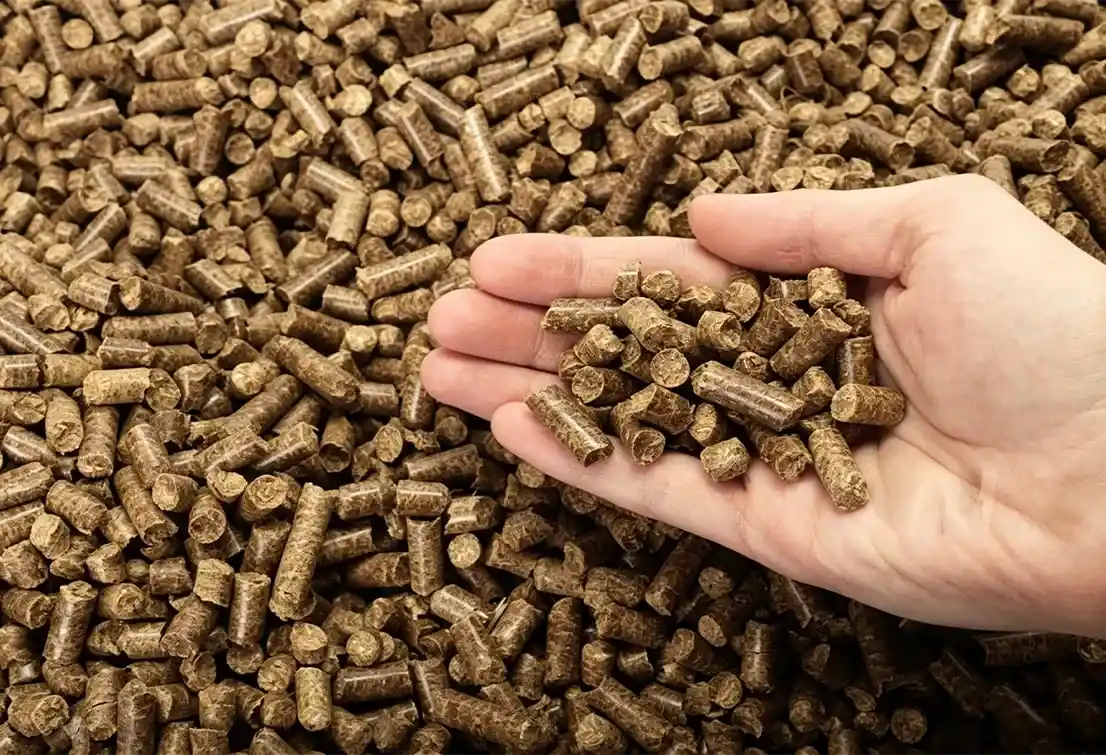
Processing techniques for leaf pellets vary depending on the characteristics of the raw material and the requirements for the finished product. Factors such as whether the raw material requires drying and whether the finished pellets are intended for internal use or commercial sale directly influence the design of the entire production process. Generally, a complete leaf pellet production process comprises the following seven stages:
RICHI Manufacture
Customized Leaf Pelleting Solutions
We offer customized project planning that covers the entire process—from raw material analysis and process design to equipment selection and facility layout. Whether processing pure leaves or mixed materials, and regardless of production capacity or site constraints, we can tailor a solution to meet your specific needs.
0.2-0.3 T/H Leaf Pellet Production Line (no drying Required)
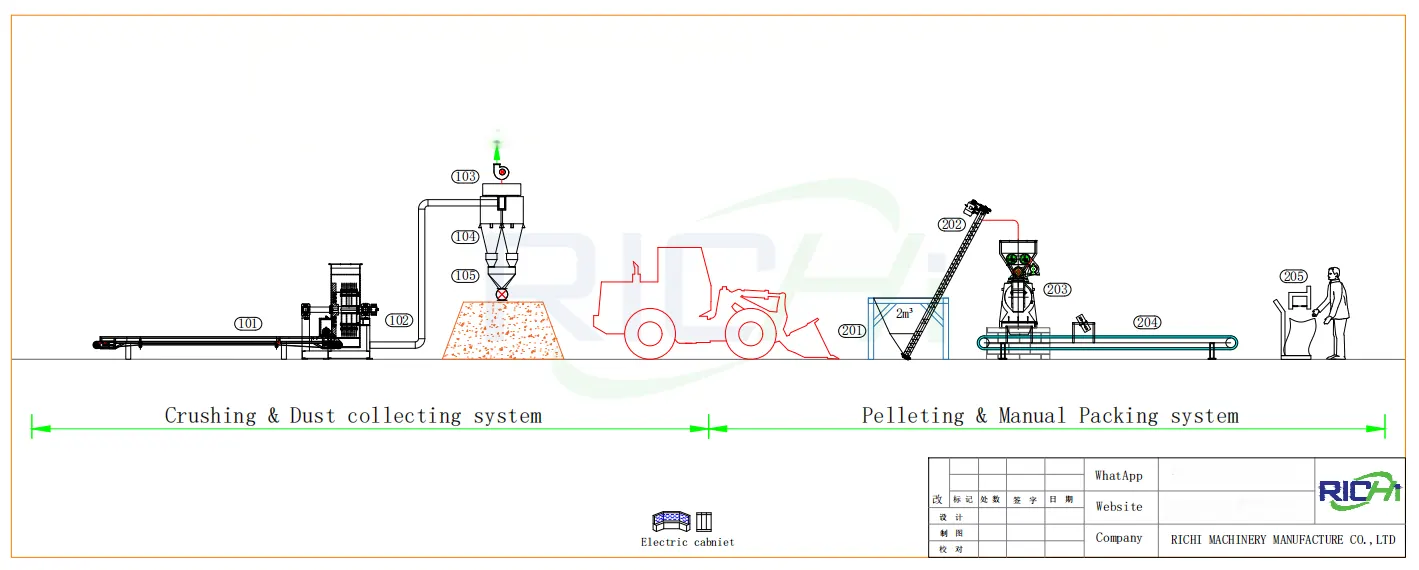
As the client’s raw material consists solely of dry leaves with compliant moisture content, the production line excludes a drying stage, thereby reducing equipment investment. The entire system is divided into four main sections: crushing, dust removal, pelletizing, and manual packaging. Key features of the line include low investment costs, a compact footprint, and ease of operation, making it ideal for small-scale processing plants.
0.3-0.5 T/H Leaf Pellet Production Line
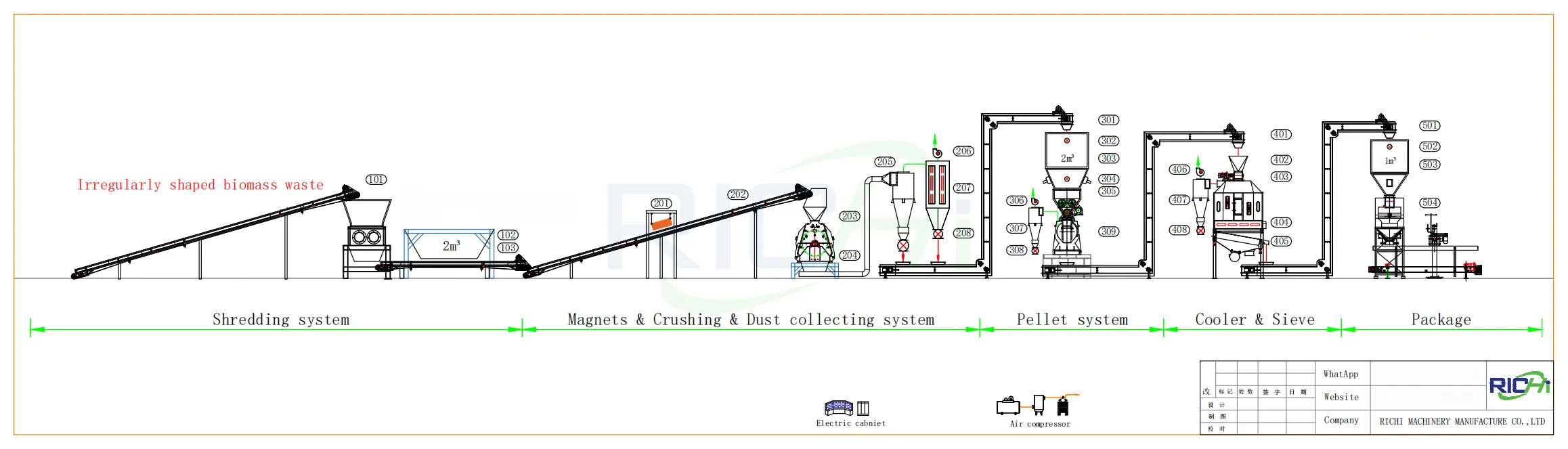
The client’s raw materials include palm leaves and palm fiber, necessitating a preliminary size-reduction process. The entire production line is organized into five key process modules: primary shredding, impurity removal, fine grinding, pelletizing, cooling and screening, and automatic packaging. The front-end shredding and crushing system has a capacity of 0.5-1 tons per hour, ensuring a continuous supply of prepared material that is buffered before being fed in batches to the pelletizing section.
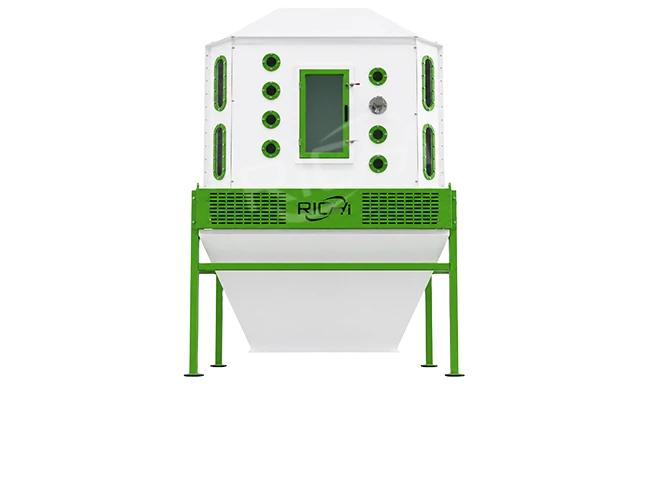
Furthermore, compared to the previous simplified setup, this line incorporates a pellet cooler and a grading screen; this results in pellets with greater hardness, reduced fines, and superior visual quality, ensuring the final product meets commercial standards.
2-2.5 T/H Leaf Pellet Production Line (Initial Moisture Content: 55%)
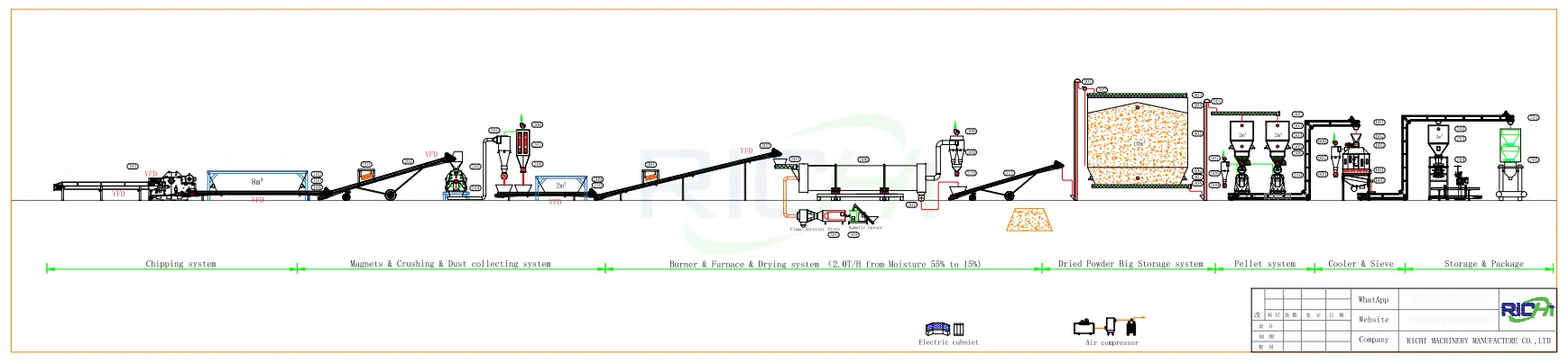
This client’s raw materials include leaves, logs and branches; the initial moisture content is as high as 55%, requiring reduction to below 15% prior to pelletization. The complete production line comprises seven major sections: chipping, impurity removal, grinding, drying, dry powder storage, pelletizing, cooling and screening, and automatic packaging.
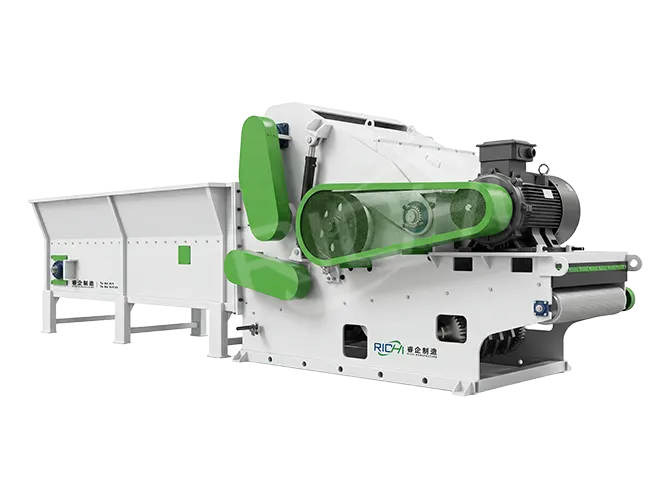
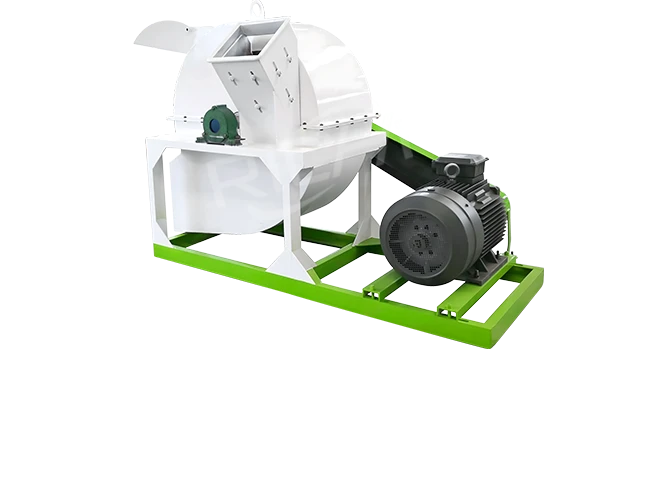
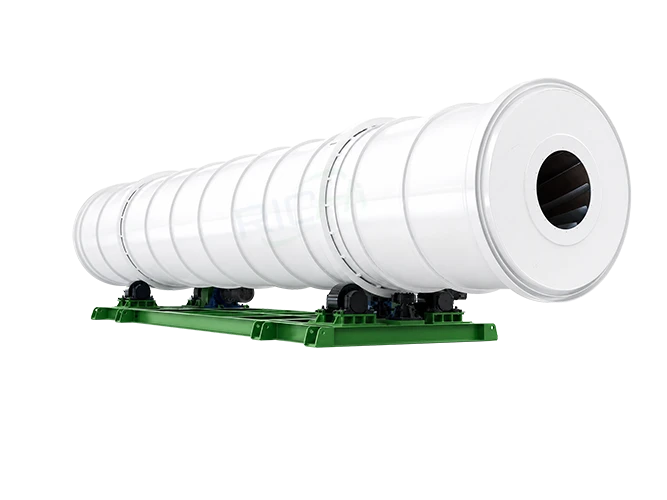
First, a drum wood chipper reduces whole logs into small wood chips. Following impurity removal, the chips and leaves are fed into a hammer mill and ground into fine powder that meets pelletization size specifications. The wet powder is then conveyed to a rotary dryer to reduce its moisture content. The dried powder is stored in silos to stabilize moisture levels, preventing fluctuations that could compromise pellet quality. The line is equipped with two pellet mills, allowing one to undergo maintenance while the other continues production.
Furthermore, dust-generating points across the chipping, grinding, drying, pelletizing, and screening stages are equipped with cyclone dust collection systems to ensure an environmentally friendly workshop atmosphere.
RICHI Manufacture
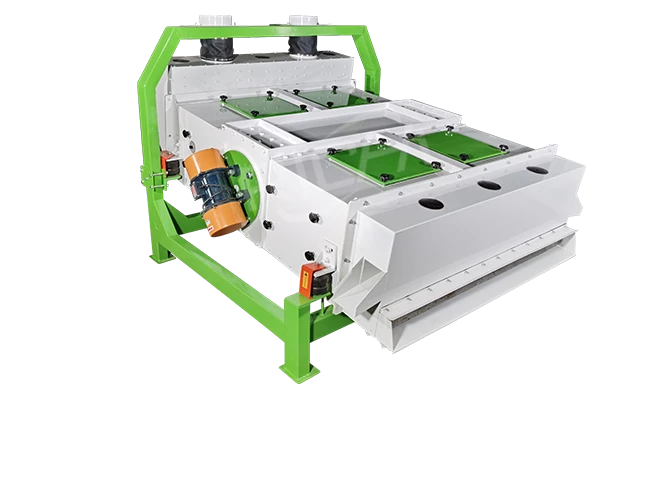
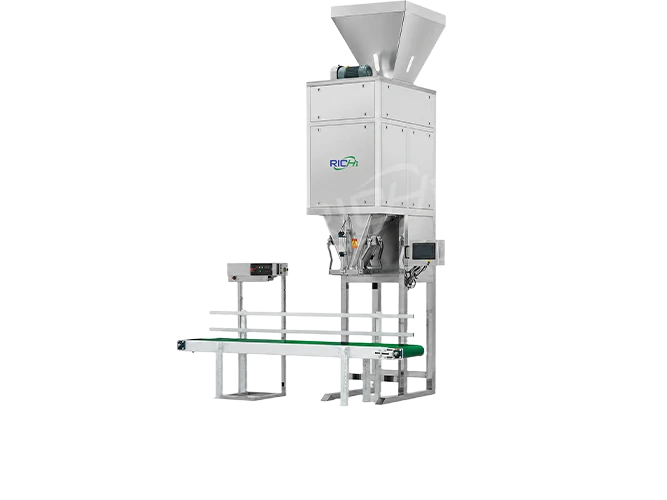
Auxiliary Equipment
RICHI Manufacture
Our Service Process
RICHI Manufacture has built a complete after-sales service system. We offer full-lifecycle technical support ranging from project design, equipment manufacturing, on-site installation and technical training to operational guidance and spare parts supply. This ensures continuous, efficient and stable operation of your production line.

Customized Solutions
Every solution we create is custom-built for your project. When designing your setup, we fully consider your raw material types, finished product requirements, target production capacity, pellet dimensions, factory layout and investment budget.
Equipment Manufacturing
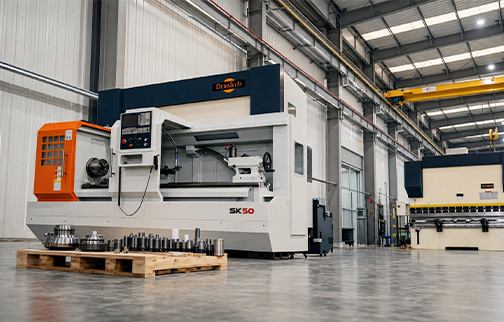
After the project design receives approval, we manufacture all equipment in line with precise technical drawings and production standards. Every single machine undergoes comprehensive factory acceptance testing. We check and confirm all functions and performance metrics before delivery.

Shipment & Logistics
Once manufacturing is completed, we carefully pack and containerize all machinery and develop a practical international shipping plan. We maintain continuous tracking throughout the entire transit process and assist you with import customs clearance and receiving preparations, ensuring your equipment arrives at the project site safely and on schedule.
On-site Installation
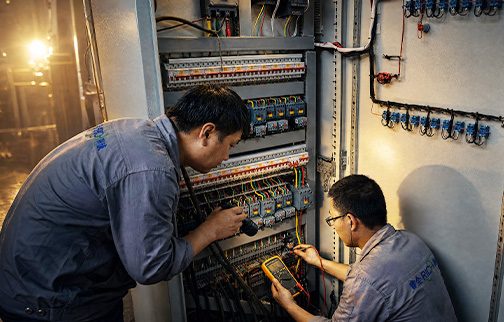
Once equipment arrives on site, our skilled engineers come to your factory. They handle machine lifting, positioning, and mechanical & electrical hookup. After installation, we perform no-load testing, individual machine checks, whole-line commissioning, and material trial production.

systematic training
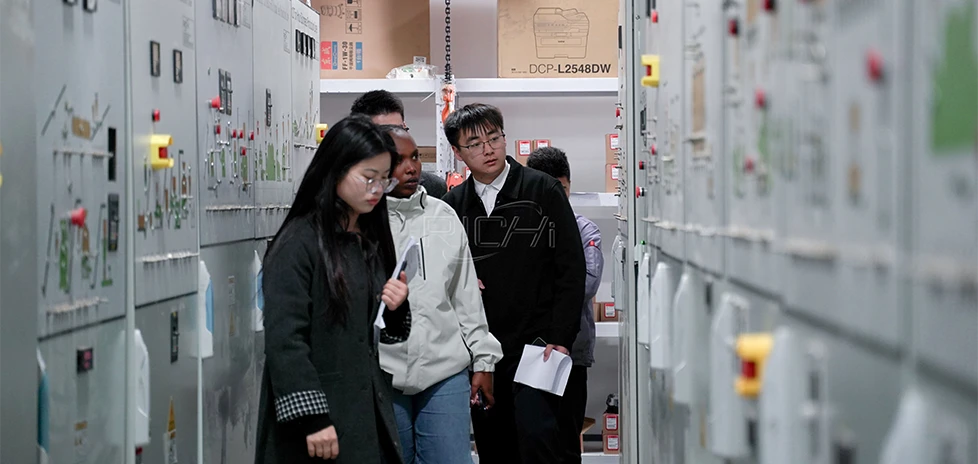
Upon completion of on-site installation and commissioning, we provide professional training for your local workforce. The training covers equipment operation guidelines, daily maintenance routines, replacement of wear parts, and troubleshooting for common faults, so your staff can operate the production line proficiently on their own.

Lifelong After-Sales Service
We offer long-term technical support and ongoing after-sales tracking after project operation. We provide a 12-month equipment warranty with free repair services. Routine equipment inspections and 24/7 remote technical guidance are always available for clients.
RICHI MANUFACTURE
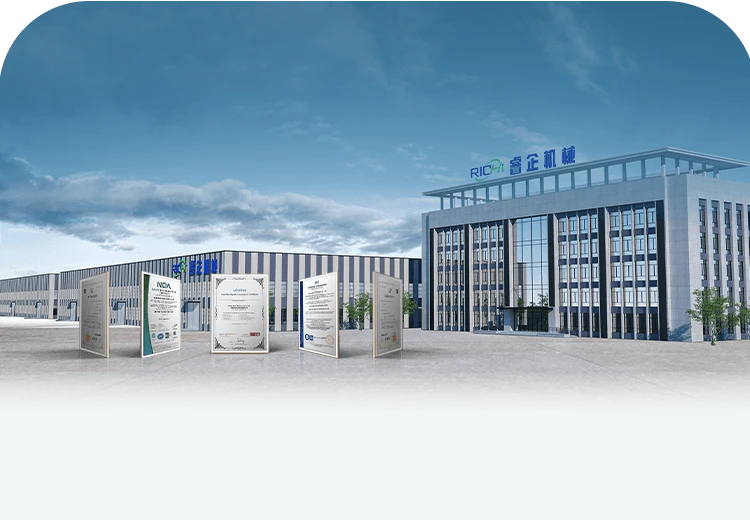
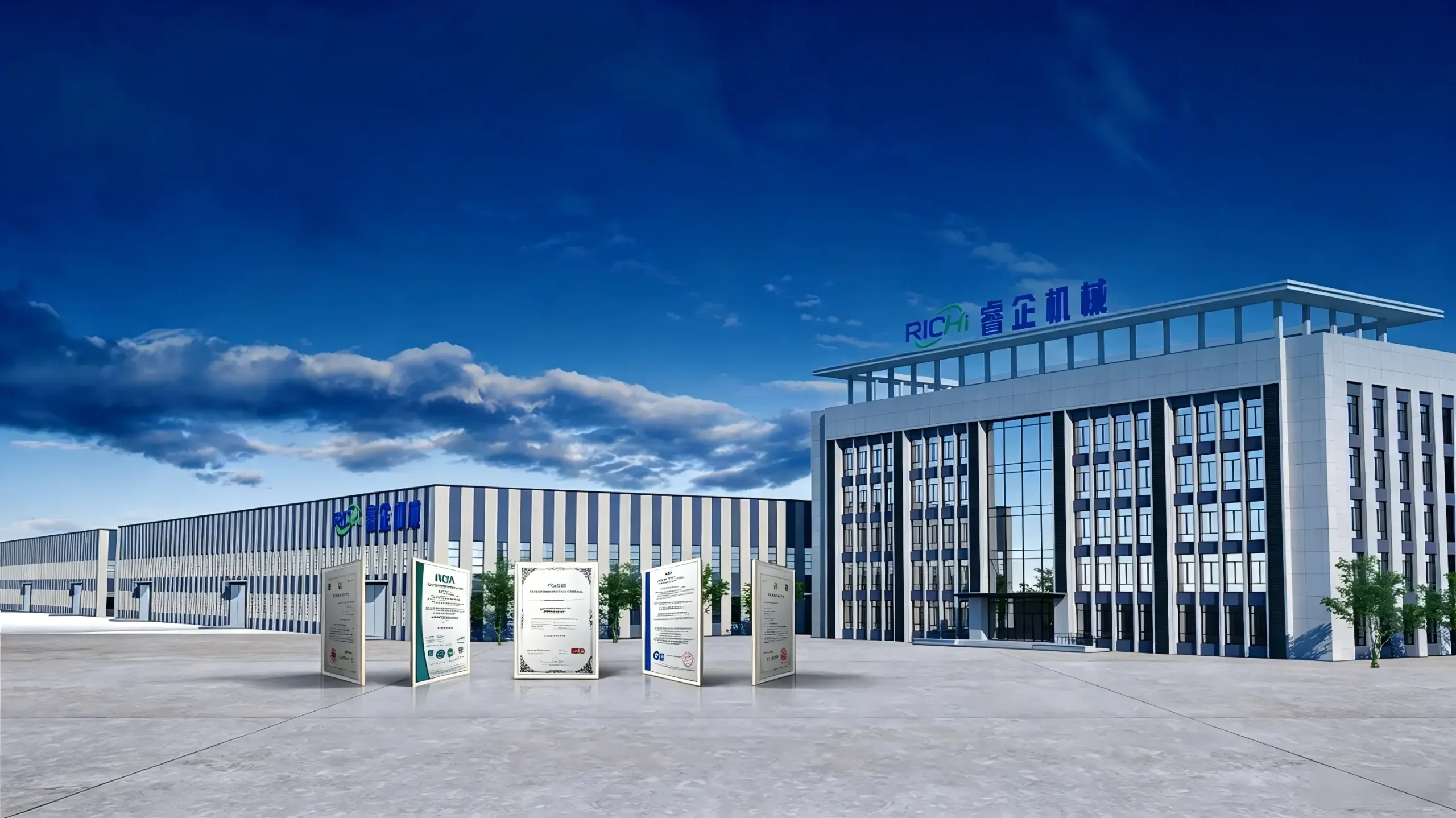
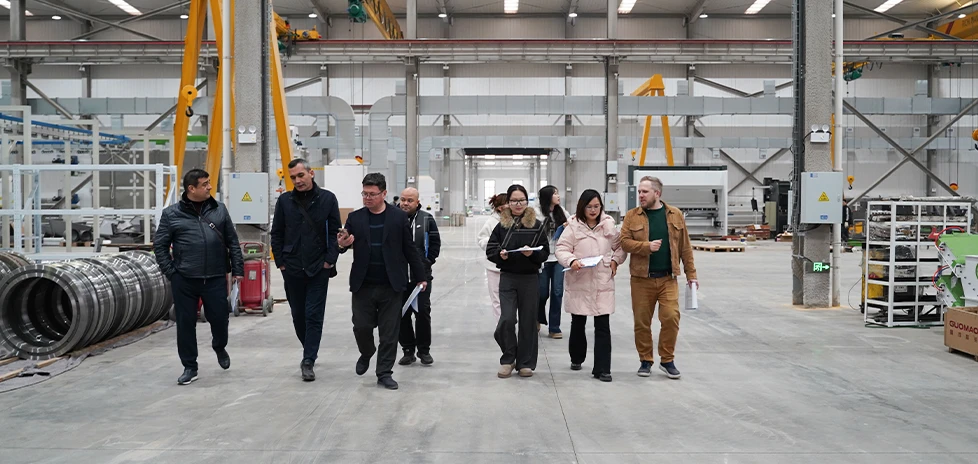
Henan RICHI Manufacture was founded in 1995. We are a professional integrated manufacturer covering R&D, production, engineering design and installation for feed, biomass, organic fertilizer, cat litter pellet lines, steel silos and automatic control systems. RICHI has obtained a full range of authoritative international certifications, including CE, TÜV, SGS, BV, RTN, ISO9001, amd more, laying a solid foundation for global trade. Featuring world-class process equipment such as large CNC cutting machines, CNC drilling machines, smart sandblasting & painting lines, and dynamic balancing testers, we guarantee premium equipment quality to empower the successful execution and commissioning of our global clients’ projects.
60,000
m²
Factory Area
30+
Years of Experience
140+
Exported Countries
2,000
+
Global Projects
To be art, to be artist. We deliver premium turnkey projects with professional craftsmanship and innovation.


Frequently Asked Questions
Can leaves pellet machine process wet leaves directly?
→
Processing leaves with high moisture content directly is not recommended. Fresh leaves have high moisture levels; attempting to pelletize them directly often leads to issues such as clogging, loose or poorly formed pellets, and interrupted discharge. Ideally, the moisture content of the leaves should be reduced to around 10%–15% before pelletizing.
What is the approximate hourly output of a tree foliage pellet machine?
→
Output varies depending on the machine size. Small home or laboratory models produce approximately 0.2-0.3 T/H, medium-sized industrial models produce 0.5-1T/H, and large commercial models can reach 3-4 T/H. Actual output depends on factors such as the moisture content of the leaves, the fineness of the ground material, and the pellet specifications.
Do the leaves need to be shredded beforehand?
→
Yes. The pellet mill can only process material with a particle size of less than 5mm to ensure a good pellet formation rate. Before pelletizing, the leaves must be shredded into fine particles using a hammer mill. If the raw material contains debris such as branches or bark mixed in with the leaves, these must first be chipped into small pieces before undergoing a secondary shredding process.
What are the uses of leaf pellets?
→
Leaf pellets have a wide range of applications, serving primarily as biomass fuel, raw material for organic landscaping fertilizer, bedding for livestock (such as cattle and sheep) and poultry, and seedling cultivation substrates. These pellets feature high density, ease of storage, and a pollution-free nature, making them suitable for use in household heating, industrial boilers, livestock farms, landscaping operations, and power plants.
Can the leaf pellet mill process a mixture of leaves, straw, and branches?
→
Yes. The equipment is suitable for pelletizing mixtures of various biomass materials, such as leaves, straw, hay, and small branches. However, all materials must be properly pulverized and free of hard impurities like stones or metal to prevent damage to the equipment’s components.
Which parts of the leaf pellet mill require daily maintenance?
→
The key components requiring maintenance are the ring die, pressure rollers, bearings, and motor. Routine maintenance involves regularly clearing residual material from the ring die and removing dust and debris from the machine body; if the equipment is to remain idle for an extended period, dust-proofing and rust-prevention measures should be taken to significantly extend its service life.
What key parameters should be considered when purchasing a leaf pellet machine?
→
The key components requiring maintenance are the ring die, pressure rollers, bearings, and motor. Routine maintenance involves regularly clearing residual material from the ring die and removing dust and debris from the machine body; if the equipment is to remain idle for an extended period, dust-proofing and rust-prevention measures should be taken to significantly extend its service life.
What key parameters should be considered when purchasing a leaf pelletizer?
→
Focus on four core parameters: first, the equipment’s power rating, ensuring it matches your electrical supply; second, the hourly production output; third, the ring die aperture, which determines pellet size; and fourth, the materials used for the machine body and core components—prioritize wear-resistant materials.
Do you handle installation, commissioning, and training? What is the warranty period?
→
We provide turnkey services, including on-site installation guidance, commissioning, and operator training. The warranty for the main unit is typically one year; wearing parts are not covered, but we provide lifetime technical support. (view our YouTube)