Straw Pellet Machine
Production Capacity
0.3-8 T/H
Applications
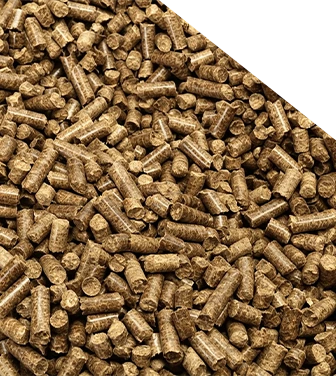
Roughage for ruminants, animal bedding, biomass fuel, carbonized straw pellets…

RICHI Manufacture
Equipment Videos
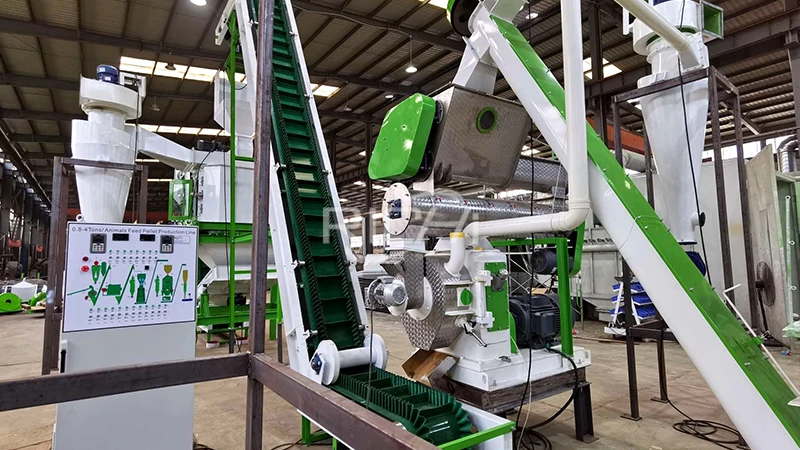

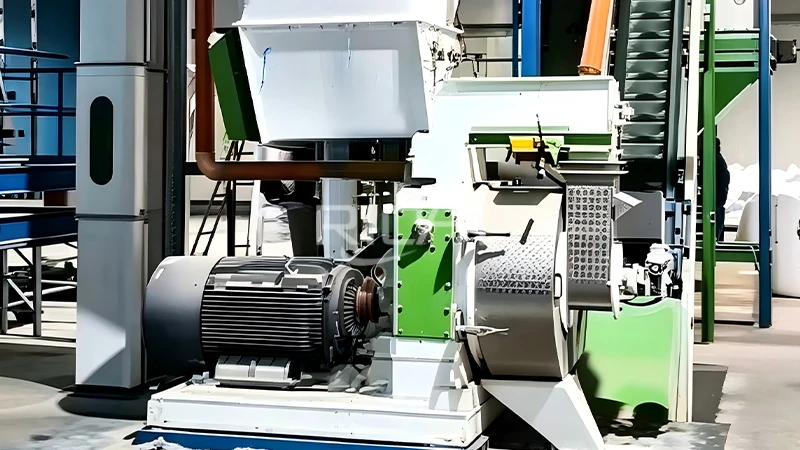
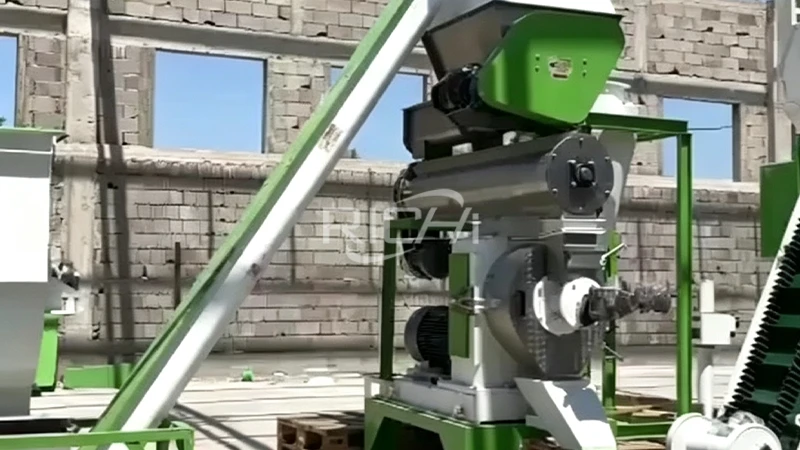
These three videos show our straw pellet machines for different clients. The first customer from South Africa bought a complete straw pellet production line. Their raw material is bulk straw, which they crush and turn into pellet feed. The second client is from Denmark; they plan to process straw into pellet fuel. The third customer in Uzbekistan wants to make roughage pellets. Their straw has high moisture content, so drying is required before pelleting.
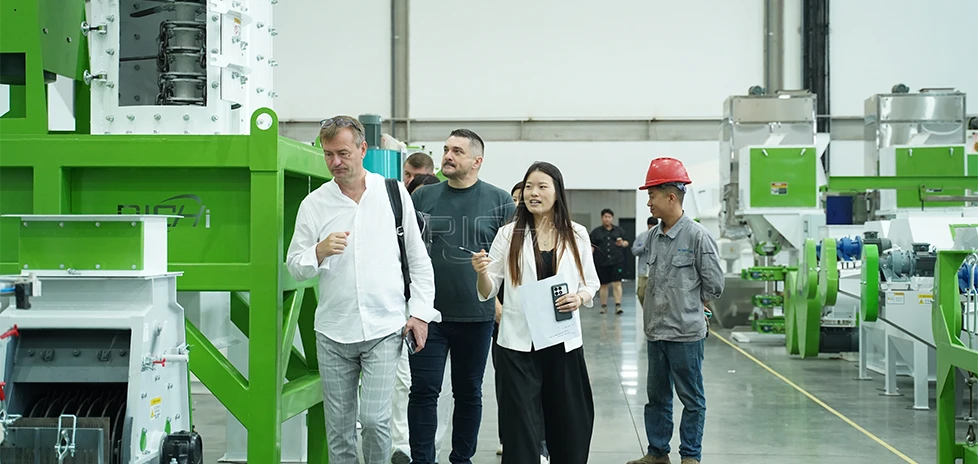
Different production requirements call for different equipment configurations. We tailor straw pelletizing solutions to each client’s specific needs. We also provide comprehensive turnkey services—including plant layout design, equipment installation, and personnel training—so that once you have the site and raw materials ready, you can immediately begin production.
RICHI Manufacture
Straw Pellet Machines for Sale Worldwide
Finding the ideal straw pellet machine is more than just investing in durable machinery—it means partnering with a proficient engineering team with proven expertise. Our track record spans countless pellet production undertakings of every output level, including small farms and large-scale industrial biomass pellet manufacturing plants. Here are some straw pellets machine projects we have delivered for your reference.
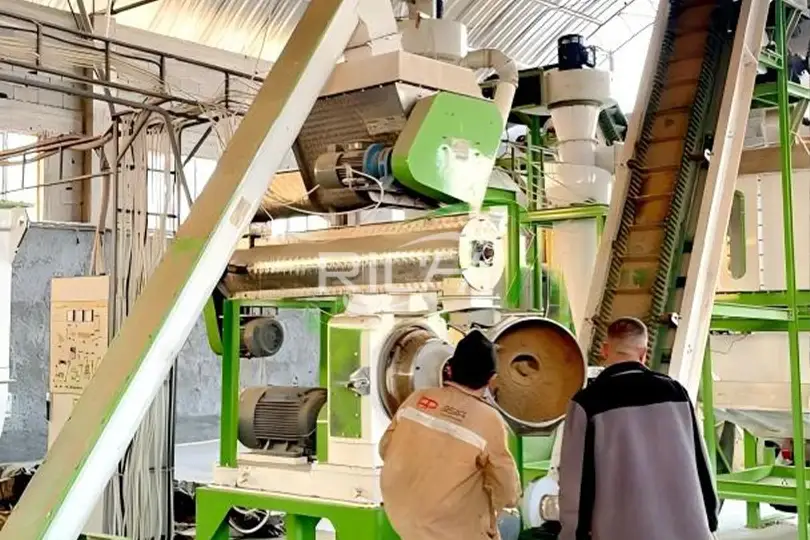
Uzbekstan 0.3-0.5 T/H straw pellet mill for Roughage
The client operates a feed mill producing roughage for cattle and sheep. The formulation consists of 60%–70% straw, supplemented with small amounts of corn, wheat, and soybean meal. The straw used is in loose form and can be pulverized directly. Additionally, the client has purchased a dryer to dry the straw and prevent mold growth.
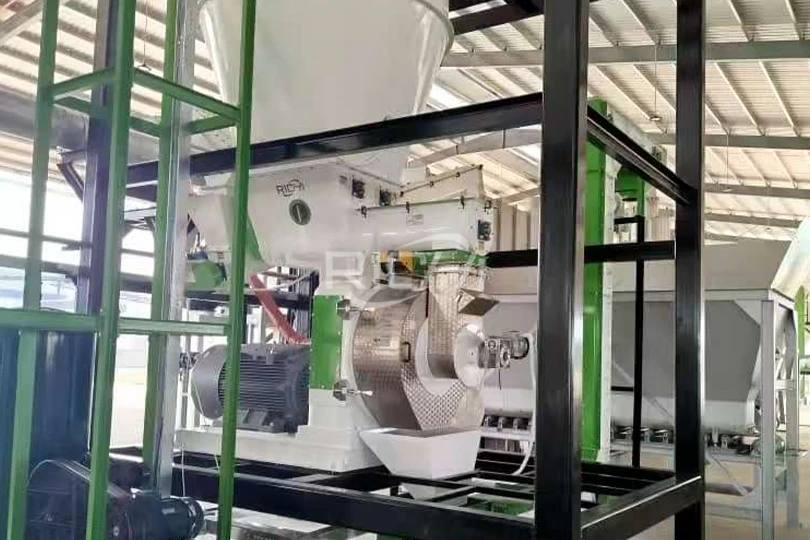
Korea 1-1.5 T/H straw pelletizer for carbonized pellets
This South Korean client plans to produce eco-friendly, carbon-based fuel from carbonized crop straw. Since the straw arrives from farms in bales and cannot be fed directly into the pelletizing stage, a bale breaker and a straw shredder are required. To increase the carbon yield, the client has also purchased a rotary dryer.
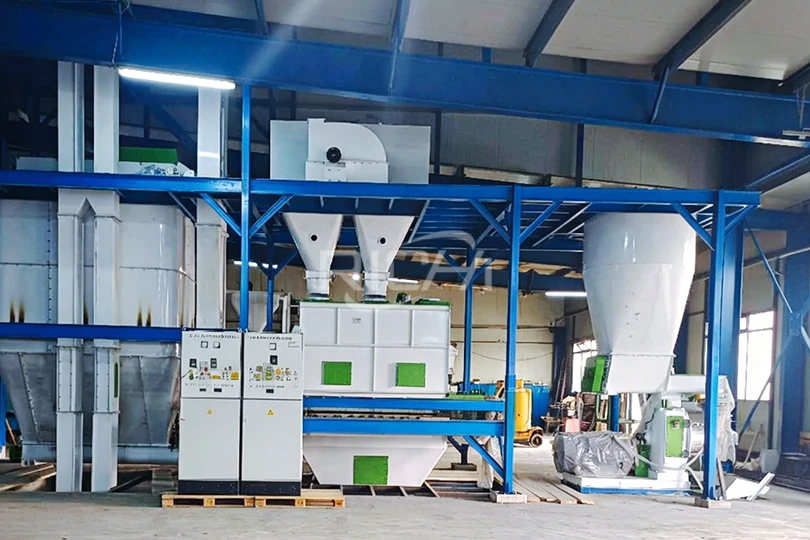
Denmark 2-2.5 T/H straw pellet maker for fuel pellets
The client is a biomass fuel producer that previously relied primarily on wood chips as raw material. They now plan to use wheat and barley straw sourced from nearby farms, but their existing pelletizing equipment performs poorly when processing straw. Consequently, the client wishes to purchase a pelletizing system capable of processing both wood chips and straw.
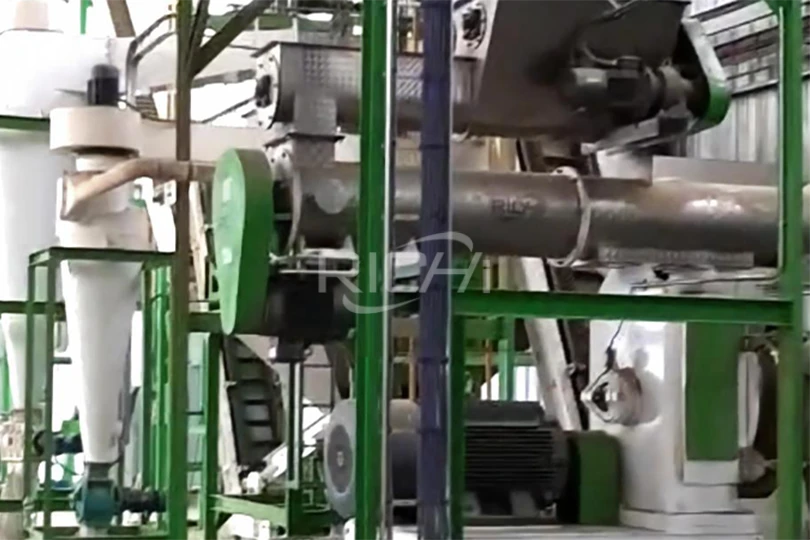
Botswana 2.8-3 T/H straw pellet making machine for cattle feed
The client plans to mix straw and hay to produce cattle feed pellets. The raw materials come in round bales with diameters of 1.0–1.5 meters, requiring bale breaking followed by grinding. Both the straw and hay have been naturally air-dried to meet moisture content requirements, allowing for direct pelleting after grinding without the need for a separate dryer.
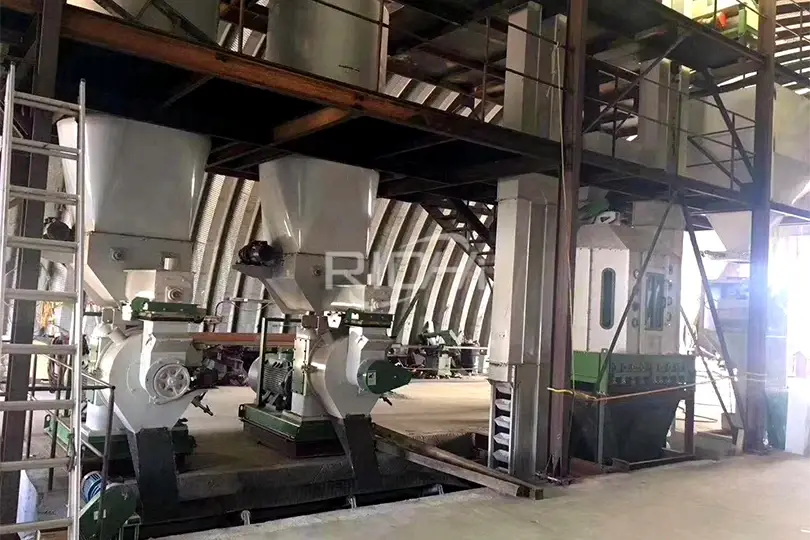
Zimbabwe 4-4.5 T/H straw pelleting machine for Fuel
The client intends to process a mixture of wheat straw, corn stalks, and wood chips into fuel pellets using two straw pelleting machines operating in parallel. This dual-machine setup ensures production capacity; if one unit undergoes maintenance, the other can maintain partial production, thereby reducing the risk of downtime and allowing for flexible adjustments to the number of active units based on order volume.
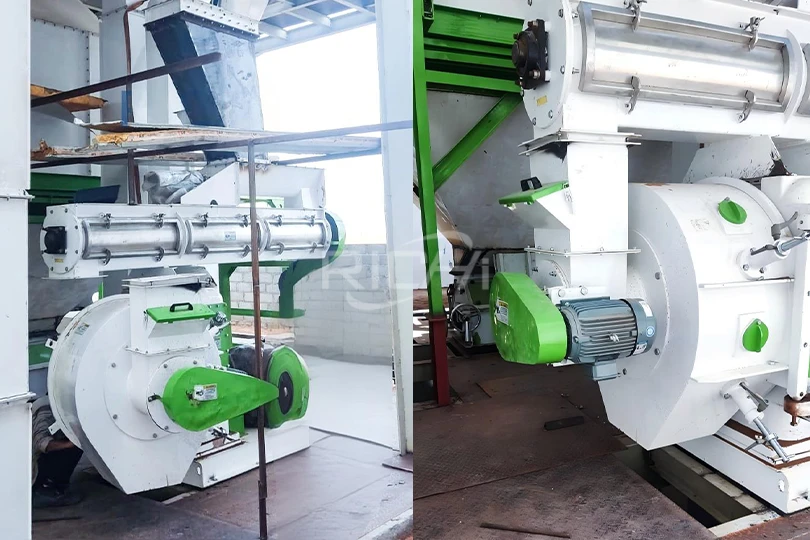
Russia 6-8 T/H straw pellets machine for livestock feed
The client plans to produce livestock feed pellets from roughage. The requirements call for equipment capable of processing 6,000 tons of baled straw and grass feedstock per season, utilizing a gentle drying process. To meet these needs, we designed a comprehensive production line comprising bale breaking, grinding, mixing, low-temperature drying, pelletizing, cooling, screening, and packaging.
RICHI Manufacture
Widespread raw material adaptability
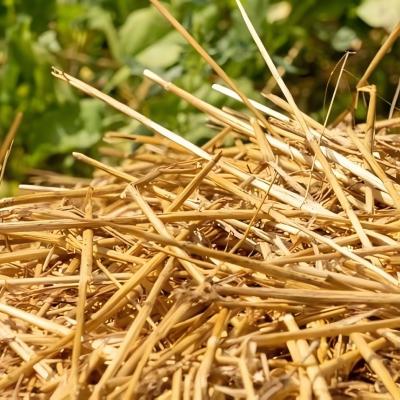
Wheat Straw

Rice Straw
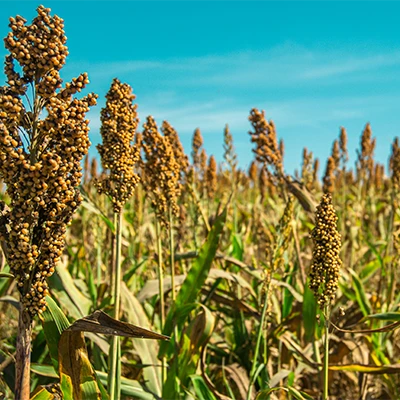
sorghum Straw
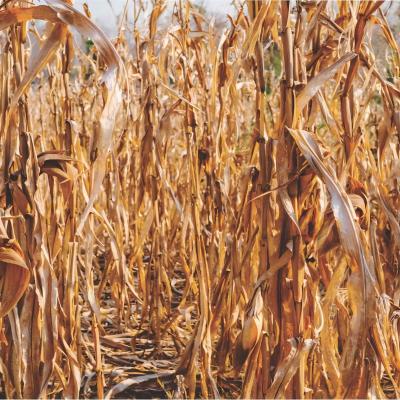
Corn Stalk
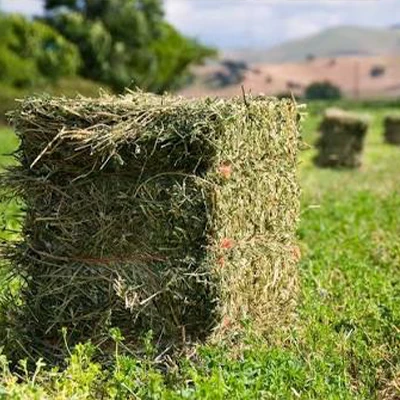
Alfalfa Hay
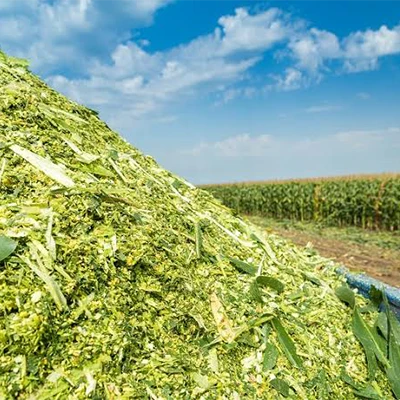
Silage Corn
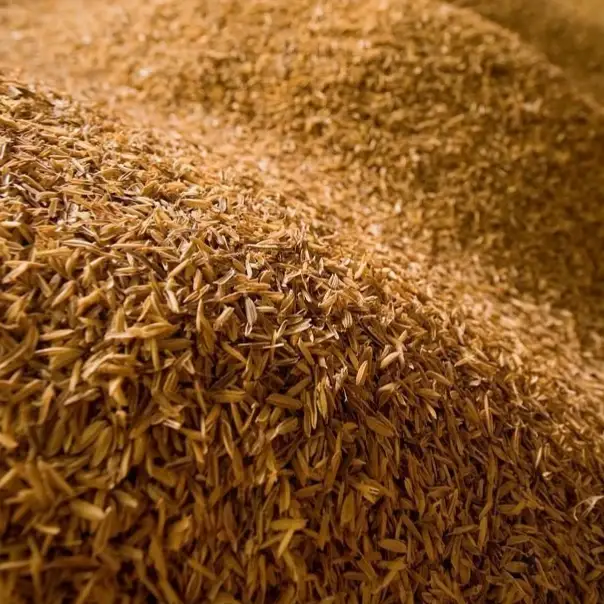
rice husks
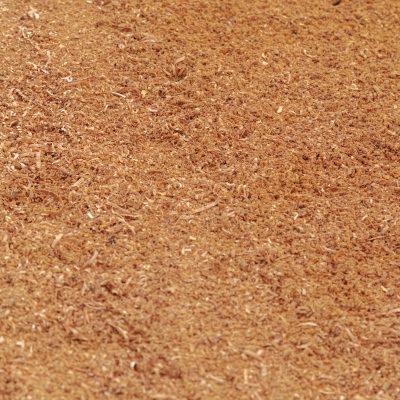
Sawdust
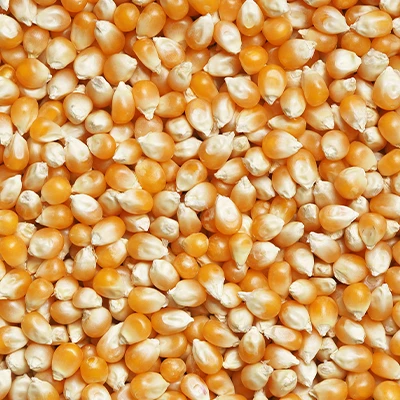
Corn
We can tailor pre-processing solutions for pelletizing based on the client’s specific raw material types, physical forms, moisture content, and intended end-use, flexibly combining processes such as bale breaking, grinding, drying, and mixing. Whether dealing with baled or loose straw, dry or wet materials, or single-source straw versus material blends, we provide the appropriate process configuration. This enables clients to broaden their raw material sourcing and reduce reliance on any single material—truly achieving the capability to process whatever feedstock is available—thereby allowing the production line to adapt to market changes and generate greater profitability.
RICHI Manufacture
technical features
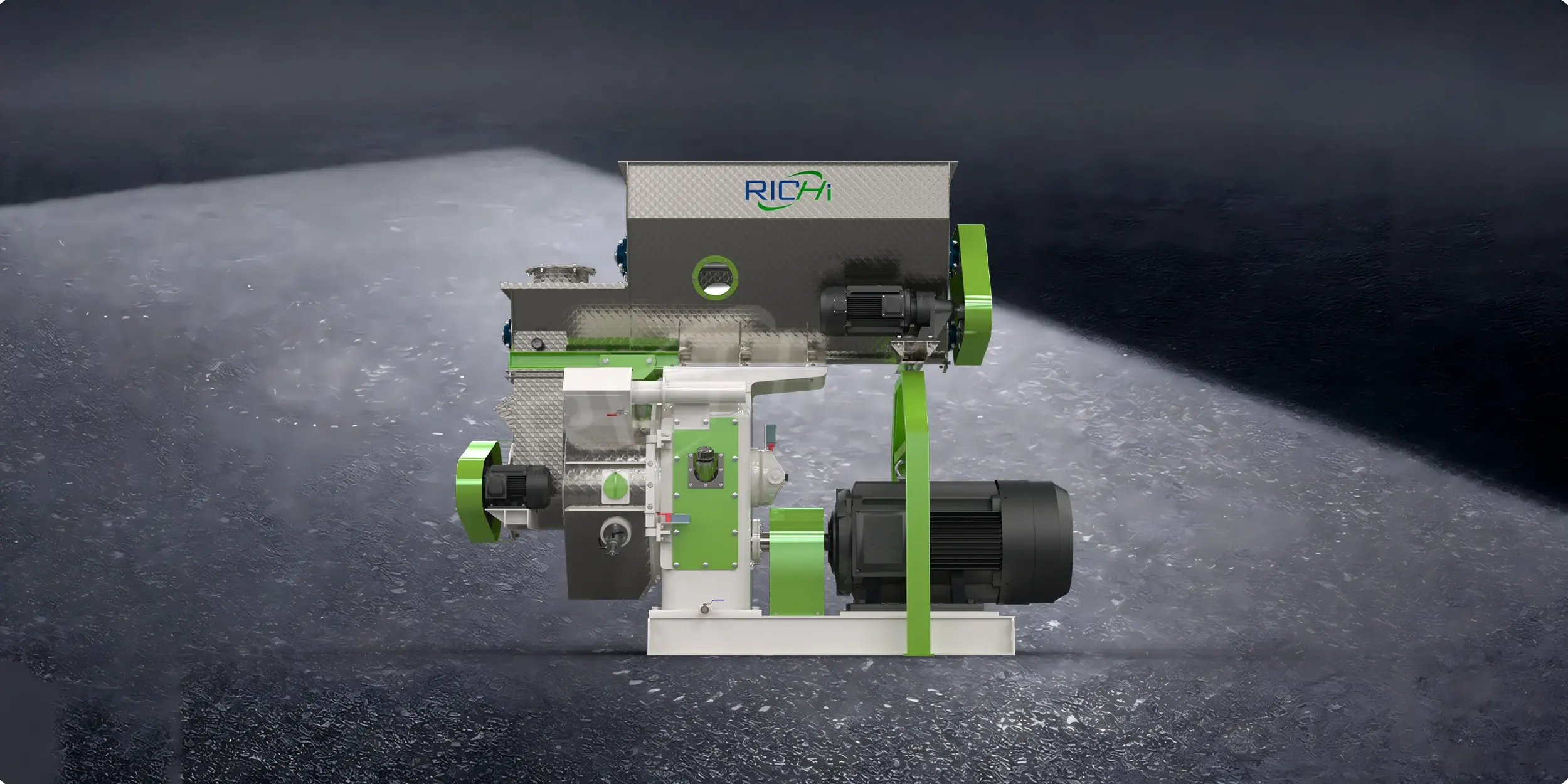
Variable frequency speed feeder
The variable-frequency drive enables automatic feed-speed adjustment, thereby preventing idle operation and overloading.
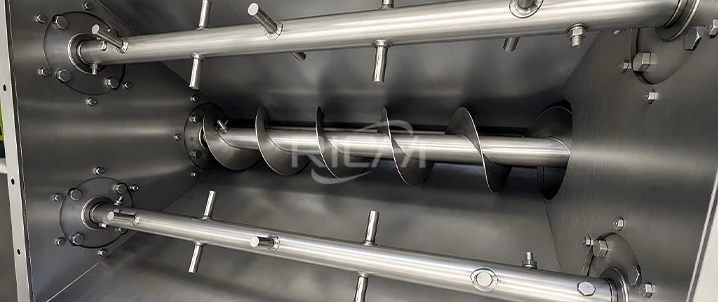
Anti-bridging auger
Pelletizing Chamber
High-hardness ring die; wear-resistant roller; automatic lubrication system.
High-power drive system
High-power main motor; stable gear transmission; high torque, overload protection device.
RICHI Manufacture
Key Components
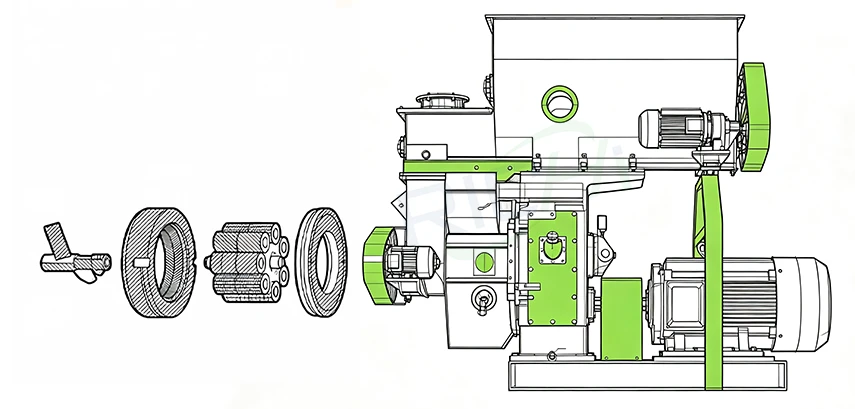
Spiral Auger

The internal spiral auger ensures steady, uniform feeding during pelleting, preventing material bridging and clogging.
Ring Die & Press Roller
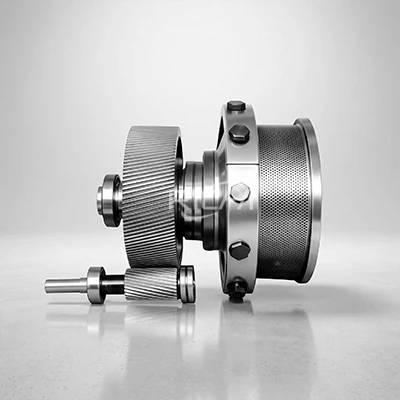
Wear-resistant alloy steel, precision heat-treated for high strength and fatigue resistance. Optimised die-roller gap for lower energy consumption and dense finished pellets.
Worm Gear Reducer
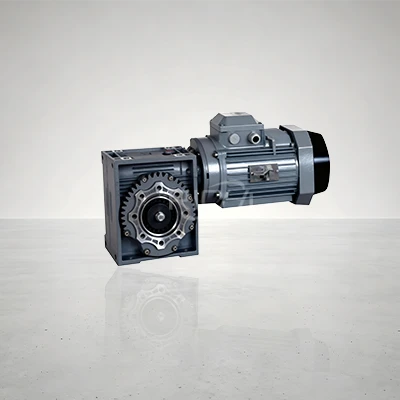
The reducer increases torque while lowering motor speed, ensuring smooth pelleting and protecting the motor from overload.
Siemens Motor
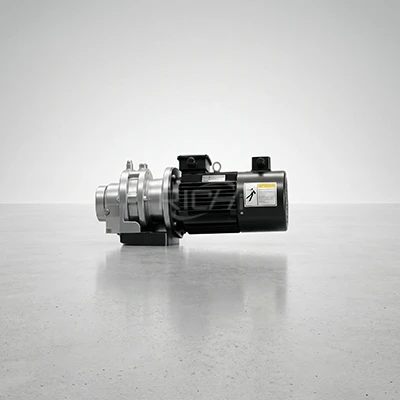
The Siemens motor ensures stable operation and high torque output under continuous heavy-duty workloads, while delivering superior energy efficiency.
SKF Bearing
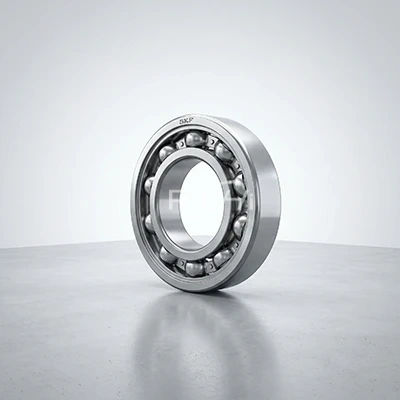
SKF bearings resist impact, high temperatures and dust under harsh conditions, reducing failures and maintenance time.
High hardness Cutter
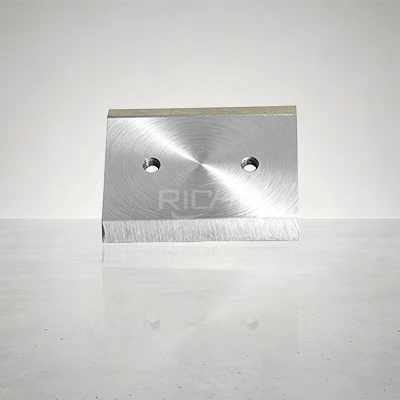
Durable, high-hardness cutting blades retain a sharp edge for clean cutting, resulting in uniform pellets with a smooth finish.
RICHI Manufacture
Technical Parameters
We supply two types of straw pellet machines built for different working conditions and processing needs. One comes with a stainless steel conditioner to handle rough forage materials. The other is specially engineered to make animal bedding and biomass fuel pellets. One key point to keep in mind: raw material straw content has a direct impact on production output. The more straw your feedstock contains, the lower the machine’s throughput will be.
| Model(for feed) | CZLH320 | CZLH350 | CZLH420 | CZLH520 | CZLH678 | CZLH768 |
|---|---|---|---|---|---|---|
| Capacity(T/H) | 0.5-0.6 | 1.0-1.2 | 1.8-2.0 | 2.8-3.0 | 4.0-5.0 | 6.0-8.0 |
| Main Motor Power(kW) | 22 | 37 | 90 | 132 | 185 | 250 |
| Arch-Breaking Feeder Power(kW) | 2.2 | 2.2 | 3 | 3 | 3 | 4 |
| Forced Feeder Power(kW) | 0.75 | 0.75 | 1.5 | 1.5 | 1.5 | 1.5 |
| Ring Die Diameter(mm) | 320 | 350 | 420 | 420 | 673 | 762 |
| Pellet Diameter(mm) | 2-12 | |||||
| Model (for biomass) | MZLH320 | MZLH350 | MZLH420 | MZLH520 | MZLH678 | MZLH768 |
|---|---|---|---|---|---|---|
| Capacity(T/H) | 0.2-0.3 | 0.3-0.5 | 1.0-1.2 | 1.5-2.0 | 2.5-3.0 | 3.0-4.0 |
| Main Motor Power (kW) | 22 | 37 | 90 | 132 | 185 | 250 |
| Feeder Power (kW) | 2.2 | 2.2 | 3 | 3 | 3 | 4 |
| Forced Feeder Power (kW) | 0.75 | 0.75 | 1.5 | 1.5 | 1.5 | 1.5 |
| Ring Die Diameter(mm) | 320 | 350 | 420 | 420 | 673 | 762 |
| Pellet Diameter (mm) | 4-12 | |||||
Because RICHI’s technology is constantly being updated and iterated, we will continuously upgrade and innovate our equipment. Therefore, the specific equipment parameters are subject to the actual quotation. We will provide more professional customized design and production services for each customer.
RICHI Manufacture
how to make straw pellets
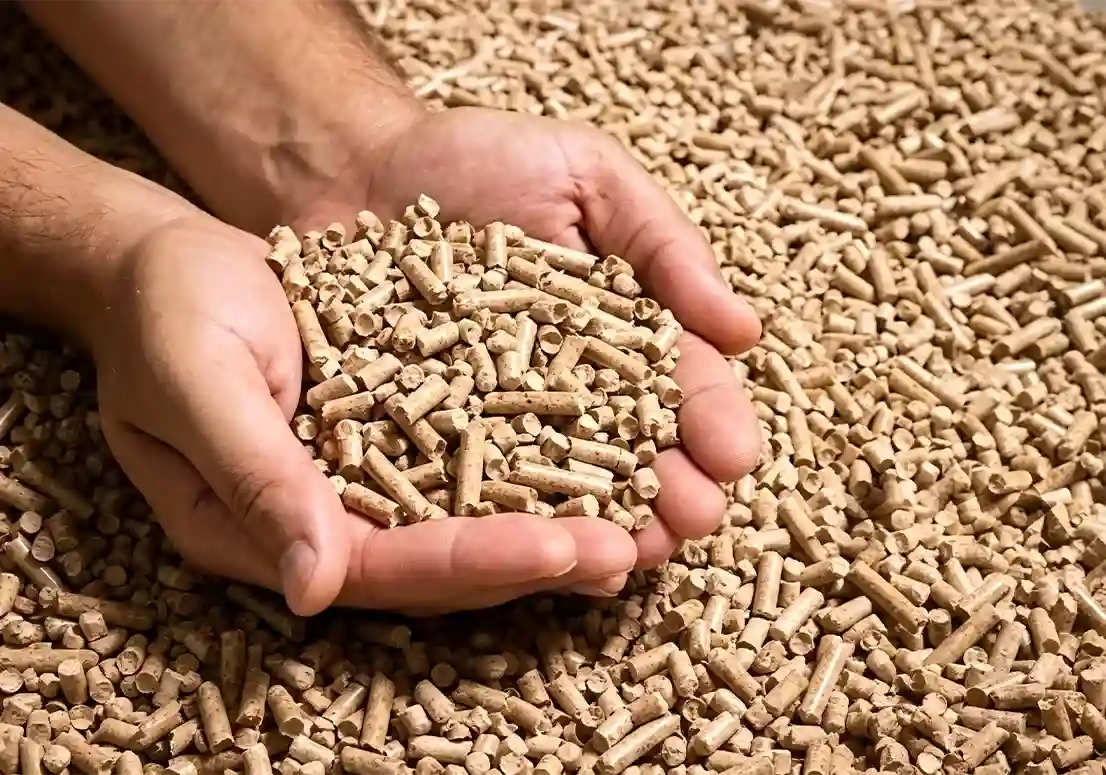
Producing straw pellets involves far more than just the compression molding step. Process configurations must be adjusted based on factors such as the raw material’s physical form, moisture content, and the intended use of the finished product; for instance, baled straw requires bale breaking and grinding, while high-moisture material necessitates drying. If you are setting up a straw pellet plant for the first time, we can provide a comprehensive production line solution, ranging from process design to the configuration of the entire system.
RICHI Manufacture
Customized Straw Pellet Production Line
1-2 T/H straw Pellet Production Line for Livestock feed
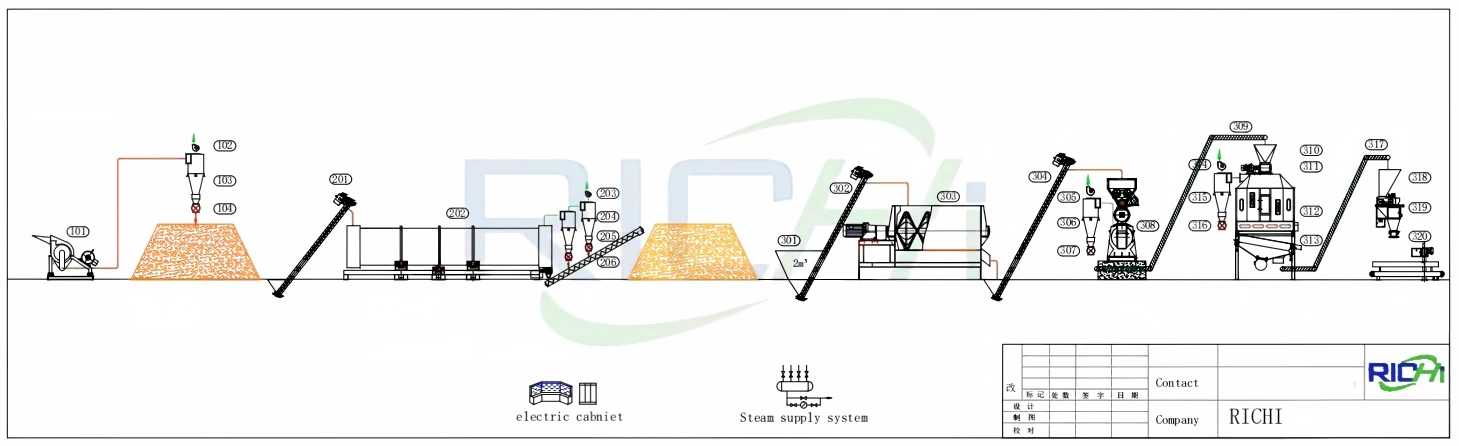
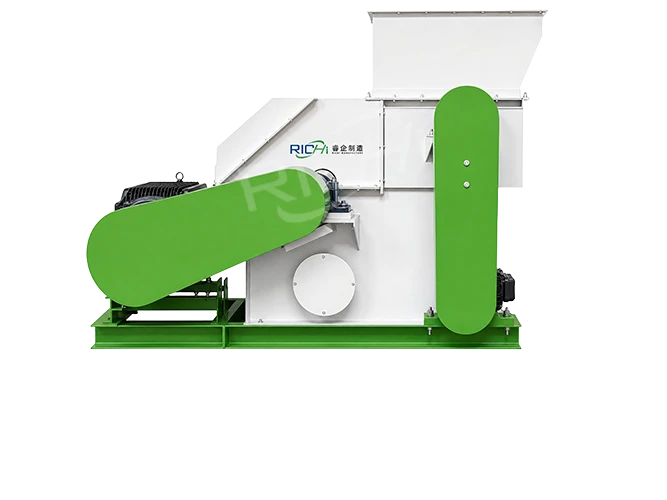
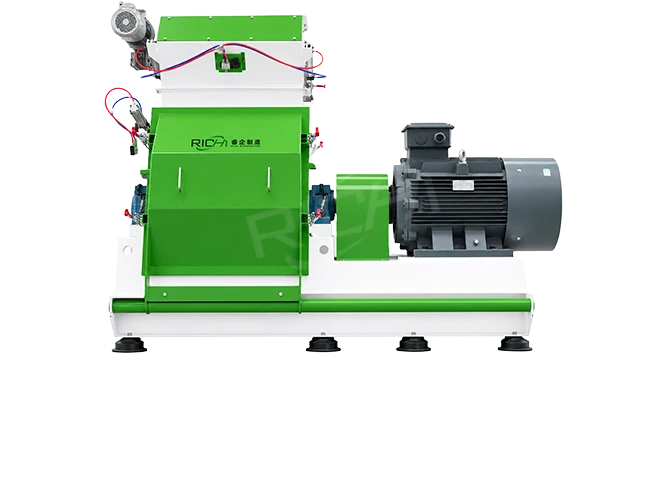
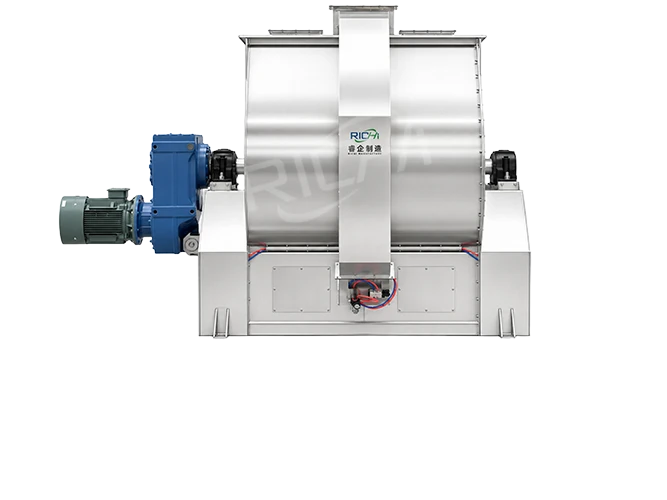
The client’s raw straw material has an initial moisture content of 40%–50%, making direct pelletizing impossible; therefore, a pre-drying stage has been incorporated. Grinding the straw into powder before drying enhances drying efficiency and reduces processing time. Additionally, the production line includes a mixing stage, allowing for the incorporation of ground corn, wheat bran, and additives into the straw to produce compound straw feed pellets with improved nutritional value.
8-10T/H Straw Pellet Production Line
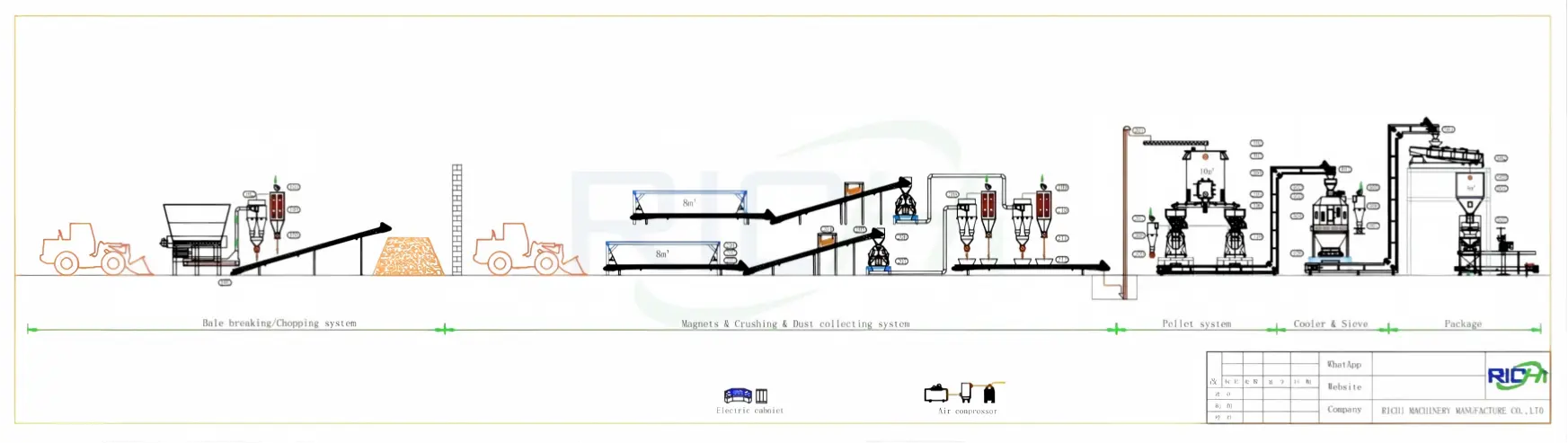
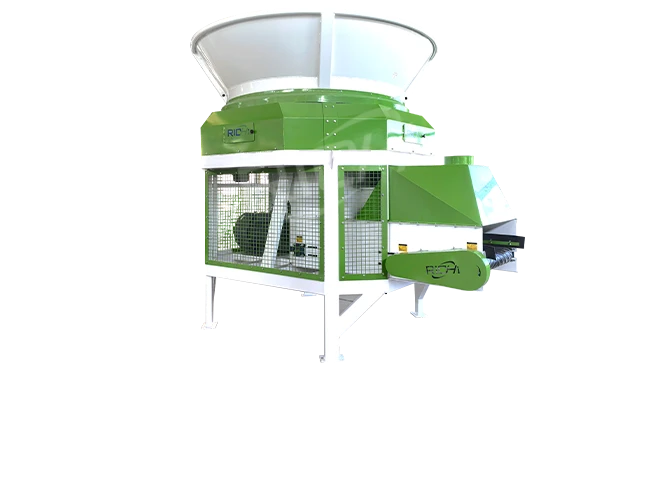
The client utilizes harvested wheat and corn stalks as raw materials. These are naturally air-dried, with an initial moisture content of 10%–15% upon arrival at the plant—an ideal range for straw pelletizing that eliminates the need for additional drying. To handle the high target production capacity while distributing the load and minimizing downtime risks, we implemented a dual-stage grinding and dual-pelletizing configuration. A centralized bale-breaking system processes the raw material at the intake stage, followed by parallel grinding units that discharge into a pulverized material silo; this silo then feeds two straw pellet mills to achieve a combined finished product output of 8–10 t/h. Additionally, independent dust removal systems are installed for the bale-breaking and grinding sections to effectively control dust levels within the workshop.
(MC70%)Straw Drying & Crushing Output 5-6 T/H & 3-4 T/H Straw Pellet Production Line×2
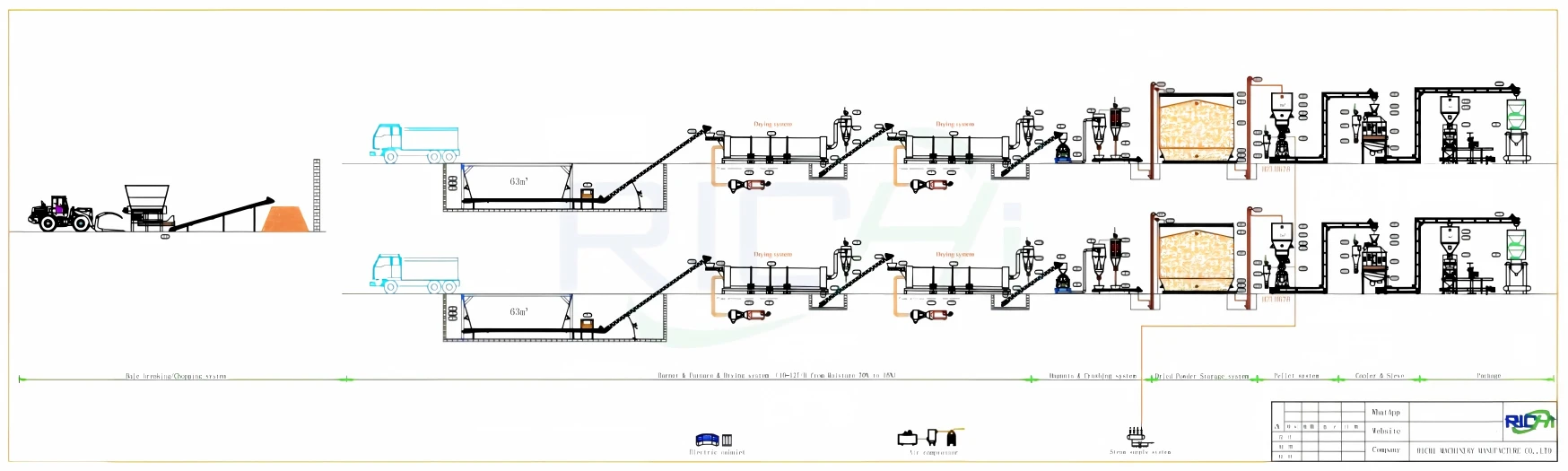
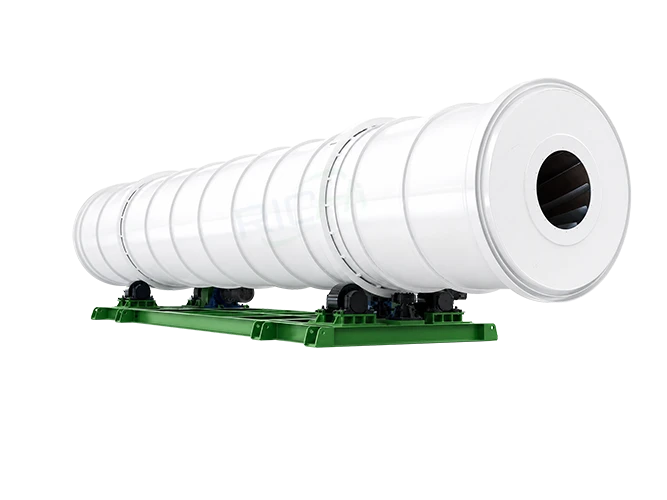
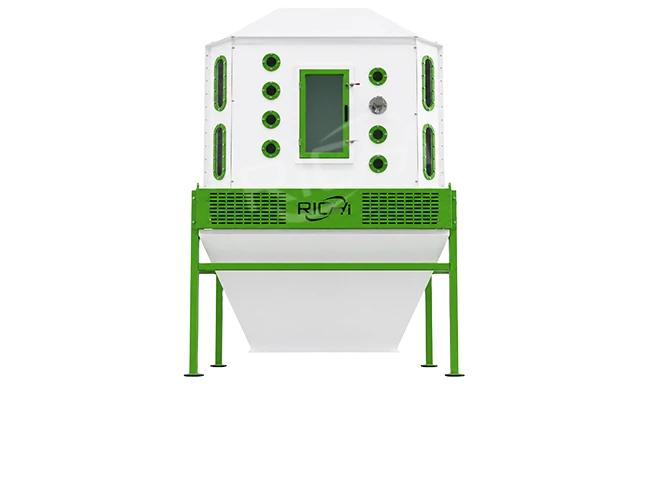
The client’s straw feedstock arrives in round bales with an initial moisture content of 70%, with moisture management posing the greatest challenge for pelletization. First, a shared bale-breaking and shredding unit breaks apart and cuts the material. The shredded straw is then split into two equal streams and fed into two identical production lines. Each line features its own dedicated storage silo, two-stage rotary drying system, magnetic separation and grinding unit, powder storage silo, pelletizing unit, cooling and screening unit, and packaging unit. The two lines operate in parallel; they function independently, allowing for simultaneous operation or the startup, shutdown, and maintenance of a single line.
RICHI Manufacture
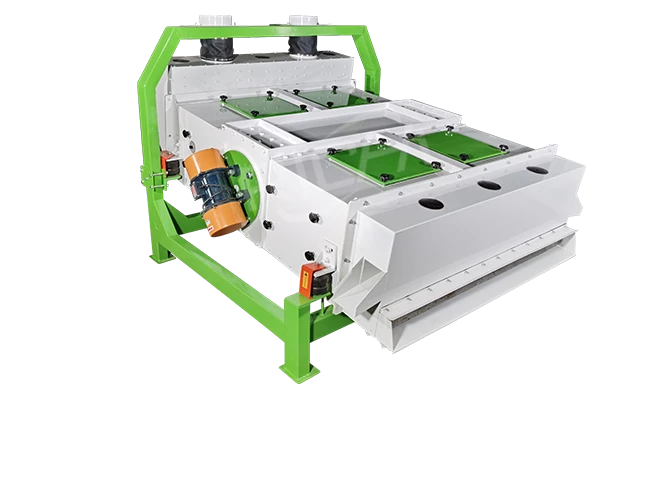
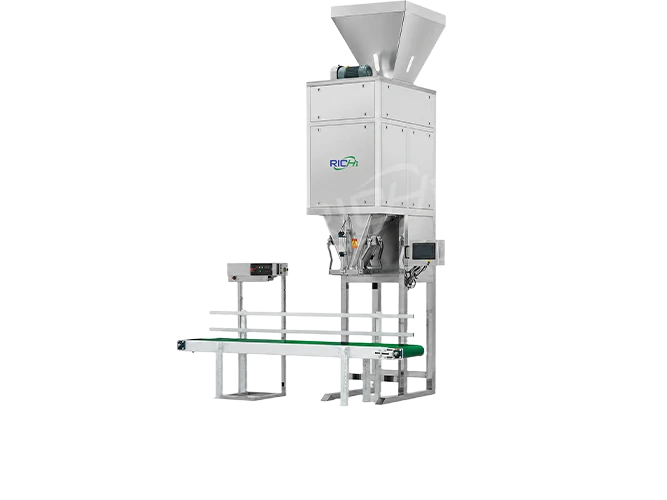
Auxiliary Equipment
RICHI Manufacture
Our Service Process
RICHI Manufacture has built a complete after-sales service system. We offer full-lifecycle technical support ranging from project design, equipment manufacturing, on-site installation and technical training to operational guidance and spare parts supply. This ensures continuous, efficient and stable operation of your production line.

Customized Solutions
Every solution we create is custom-built for your project. When designing your setup, we fully consider your raw material types, finished product requirements, target production capacity, pellet dimensions, factory layout and investment budget.
Equipment Manufacturing
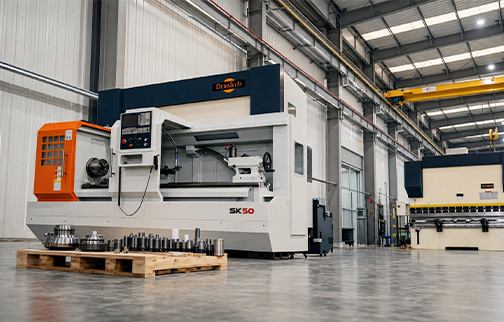
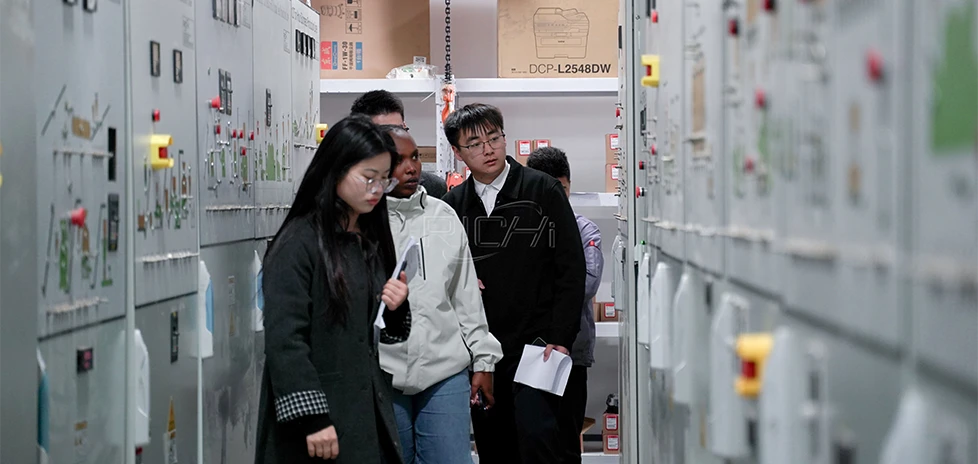
After the project design receives approval, we manufacture all equipment in line with precise technical drawings and production standards. Every single machine undergoes comprehensive factory acceptance testing. We check and confirm all functions and performance metrics before delivery.

Shipment & Logistics
Once manufacturing is completed, we carefully pack and containerize all machinery and develop a practical international shipping plan. We maintain continuous tracking throughout the entire transit process and assist you with import customs clearance and receiving preparations, ensuring your equipment arrives at the project site safely and on schedule.
On-site Installation
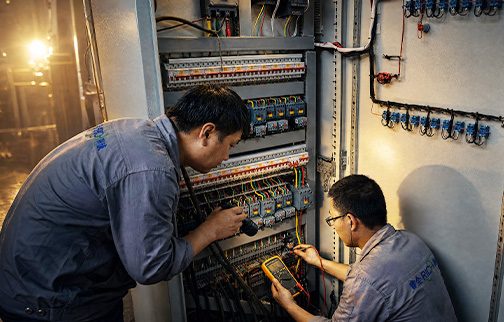
Once equipment arrives on site, our skilled engineers come to your factory. They handle machine lifting, positioning, and mechanical & electrical hookup. After installation, we perform no-load testing, individual machine checks, whole-line commissioning, and material trial production.

systematic training
Upon completion of on-site installation and commissioning, we provide professional training for your local workforce. The training covers equipment operation guidelines, daily maintenance routines, replacement of wear parts, and troubleshooting for common faults, so your staff can operate the production line proficiently on their own.

Lifelong After-Sales Service
We offer long-term technical support and ongoing after-sales tracking after project operation. We provide a 12-month equipment warranty with free repair services. Routine equipment inspections and 24/7 remote technical guidance are always available for clients.
RICHI MANUFACTURE
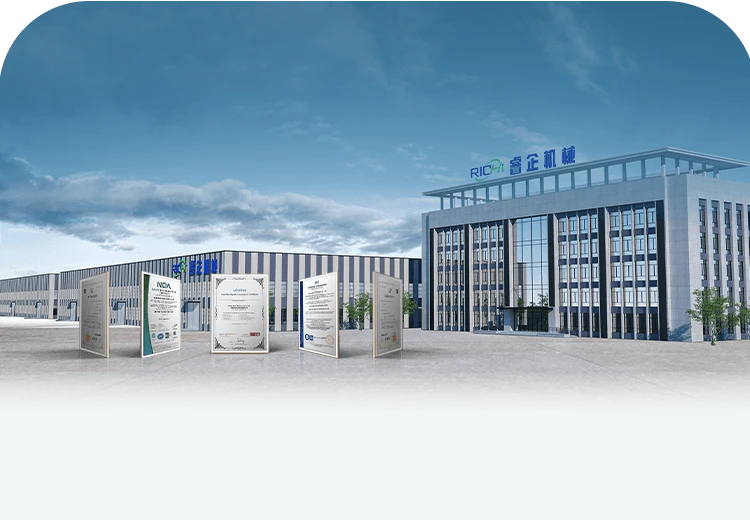
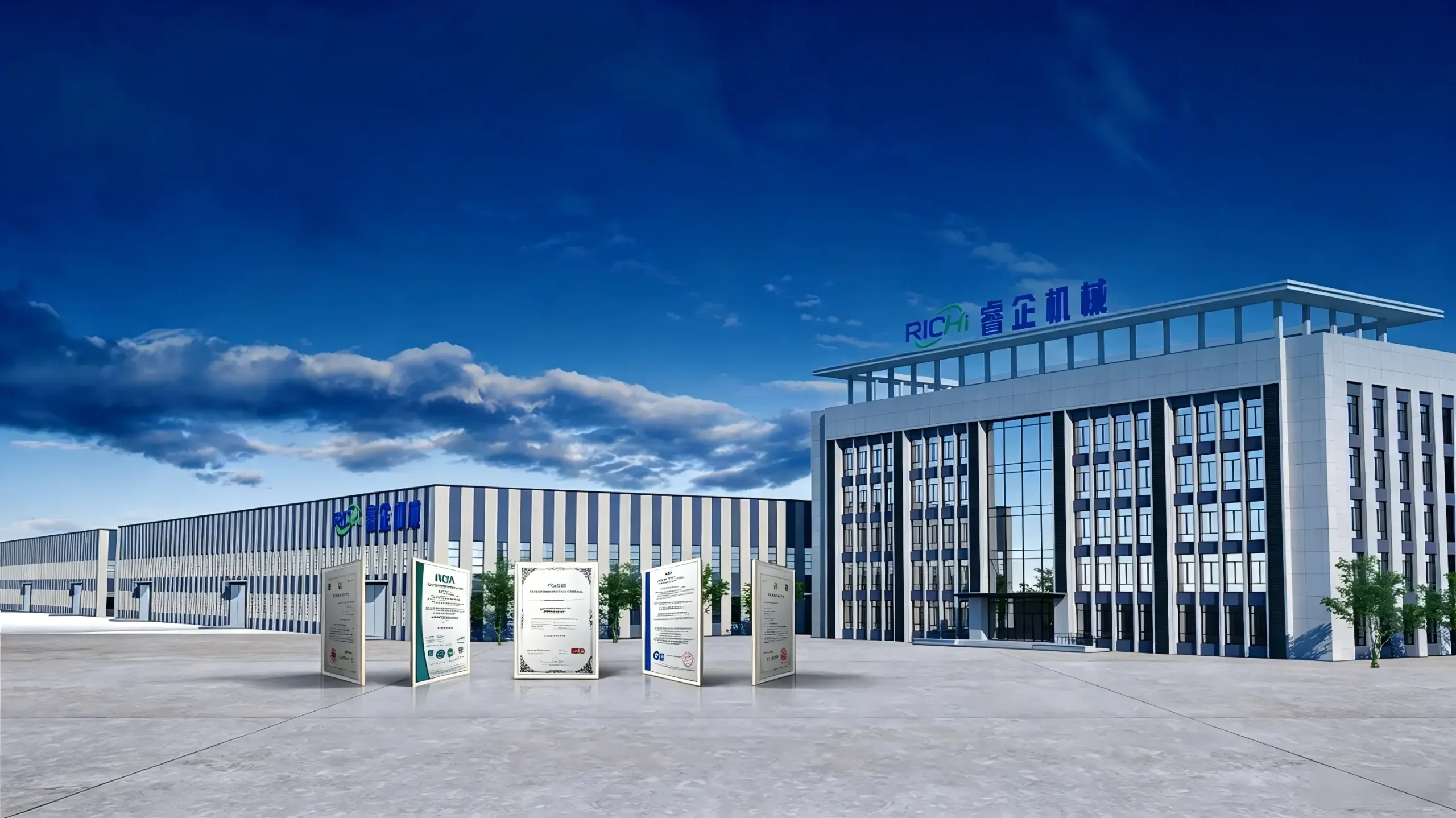
Henan RICHI Manufacture was founded in 1995. We are a professional integrated manufacturer covering R&D, production, engineering design and installation for feed, biomass, organic fertilizer, cat litter pellet lines, steel silos and automatic control systems. RICHI has obtained a full range of authoritative international certifications, including CE, TÜV, SGS, BV, RTN, ISO9001, amd more, laying a solid foundation for global trade. Featuring world-class process equipment such as large CNC cutting machines, CNC drilling machines, smart sandblasting & painting lines, and dynamic balancing testers, we guarantee premium equipment quality to empower the successful execution and commissioning of our global clients’ projects.
60,000
m²
Factory Area
30+
Years of Experience
140+
Exported Countries
2,000
+
Global Projects
To be art, to be artist. We deliver premium turnkey projects with professional craftsmanship and innovation.


Frequently Asked Questions
What raw materials can a straw pellet machine process?
→
Wheat straw, corn stover, rice straw, sorghum stalks, alfalfa, and fresh grass can all be pelletized. However, the appropriate grinding fineness and die must be selected based on the material’s fiber content, moisture level, and impurity content.
What are the moisture requirements for the raw material? Is drying necessary?
→
It is generally recommended to control the moisture content at 10%–15% prior to pelleting. If the moisture content is too high, a dryer is required; if it is too low, moisture can be added or steam conditioning applied. The specific values depend on the raw materials and the requirements for the finished product.
Can loose straw be fed directly into the straw pellet press?
→
Depending on the model, the stable hourly output of a single EFB pellet mill is generally 0.2-4 tons. Actual output is affected by the effectiveness of raw material pretreatment, moisture content, and operational factors.
Is buying just a straw pellet mill enough? How should the complete production line be configured?
→
The pellet mill is merely one link in the process. A complete straw pellet production line consists of: bale breaker, crusher, dryer (if raw material is wet), pellet mill, cooler, screener, packaging machine, plus conveying and dust removal systems. If a customer already has the upstream equipment, purchasing a standalone machine is an option. However, for new plants, a complete line is recommended to ensure matched production capacity and better after-sales support.
What production capacity options are available for straw pelletizers?
→
RICHI provides straw pelletizers with various capacities to meet customer needs. Small-scale units are suitable for on-farm use, while large-scale equipment is designed for commercial straw pellet plants. Single-unit capacities typically range from 0.2 to over 8 tons per hour, and multiple units can be combined to increase total output. By the way, when selecting a model, it is important to base the decision on actual raw materials, daily production shifts, and finished product specifications, rather than relying solely on nominal capacity ratings.
What’s the after-sales service like? Are spare parts readily available?
→
We provide on-site installation, commissioning, operation training, and spare parts supply. We also offer a one-year warranty and regular inspection services. (view our YouTube)