Aqua Feed Plant
Build your aqua feed plant with RICHI for floating fish feed, sinking fish feed, shrimp feed, crab feed and more. Capacity 0.2-40 T/H, customized design available. We provide complete turnkey engineering solutions from factory planning to installation.

Build your aqua feed plant with RICHI
Want to build an aqua feed plant for for producing floating fish feed, sinking fish feed, shrimp or crab feed? RICHI provides customized solutions and turnkey engineering services to help customers build complete aquafeed factories.

Complete Turnkey Aqua feed Plant Solutions
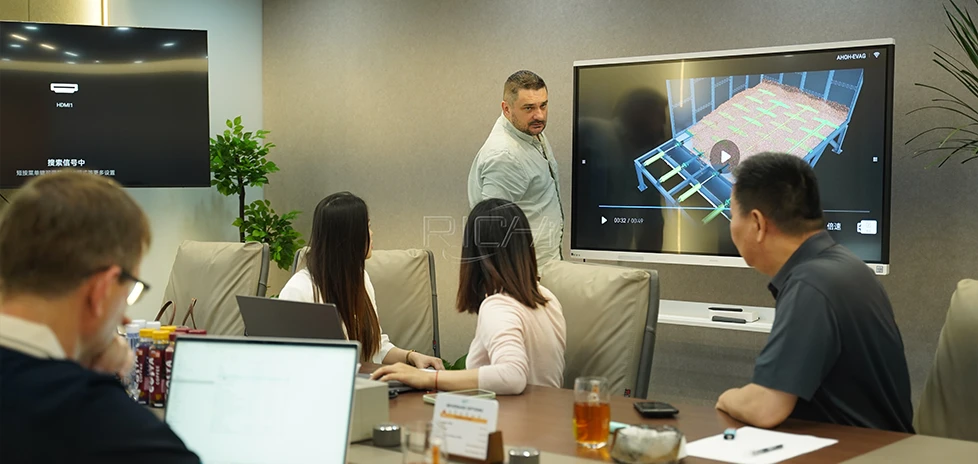
RICHI can design complete aquatic feed production solutions based on customers’ raw material characteristics, production capacity requirements, and investment budgets, covering process design, equipment configuration, installation and commissioning, and technical training, helping customers quickly establish modern aquatic feed factories.
Customized Production Solutions for Different Aquafeeds
Whether it’s floating fish feed, sinking fish feed, shrimp feed, or crab feed, RICHI can optimize the production process and configure suitable extrusion, pelleting, and auxiliary equipment according to product type, formula requirements, and production goals to ensure stable product quality.
Advanced Equipment & Reliable Production Performance
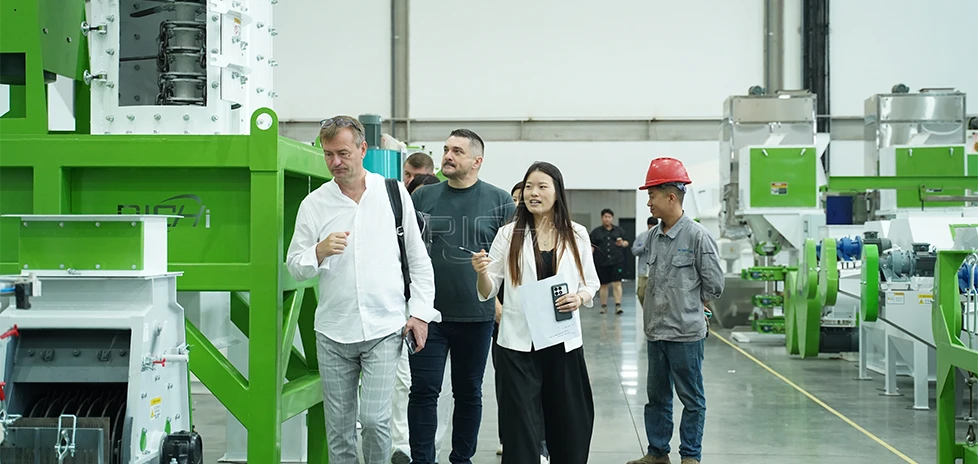
It adopts mature and reliable aquatic feed production technology and is equipped with high-performance crushing, mixing, extrusion/pelleting, drying, spraying, and packaging equipment to achieve automated, high-efficiency and low-energy production, meeting the production needs of aquatic feed mills of different scales from 0.2 to 40T/H.
Proven Global Experience & Long-Term Reliability
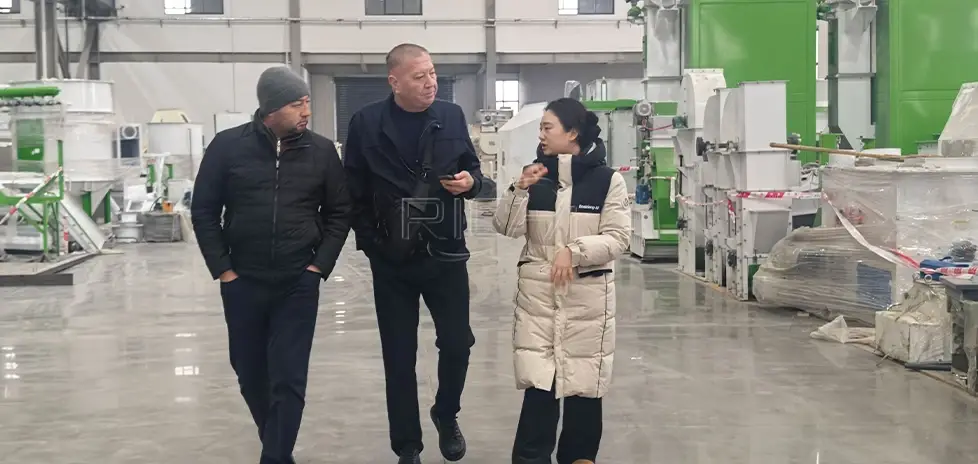
RICHI has provided aquatic feed production solutions to customers in many countries and regions, accumulating extensive experience in building aqua feed mills of varying sizes. With its mature manufacturing capabilities, rigorous quality control, and continuous technical support, RICHI helps customers reduce investment risks and ensure the long-term stable operation of their production lines.
Aqua Feed Production Line Process Flow
Behind high-quality aquatic feed lies a rigorous and scientific production process. RICHI possesses deep expertise in the entire production process, from raw material processing to finished product shipment. We tailor production solutions to the specific production needs of different types of aquatic feed, optimizing every step of the production process to ensure seamless equipment integration, stable operation, and ultimately, the production of high-quality products.


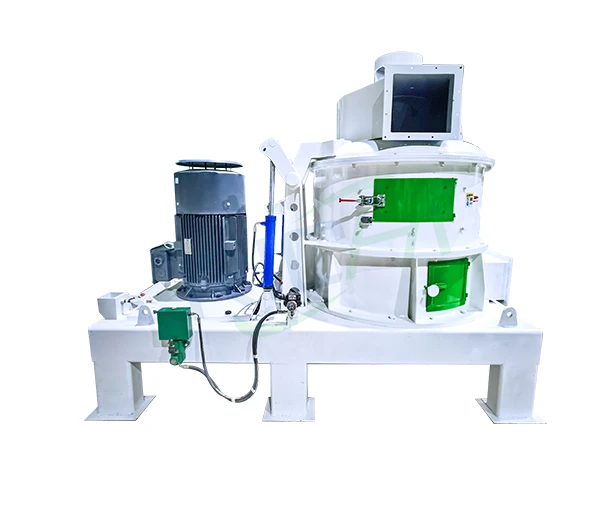

Grinding
Grinding Process
Grind raw materials into uniform particle sizes(60-200 mesh) to imporve mixing consistency and extrusion performance.
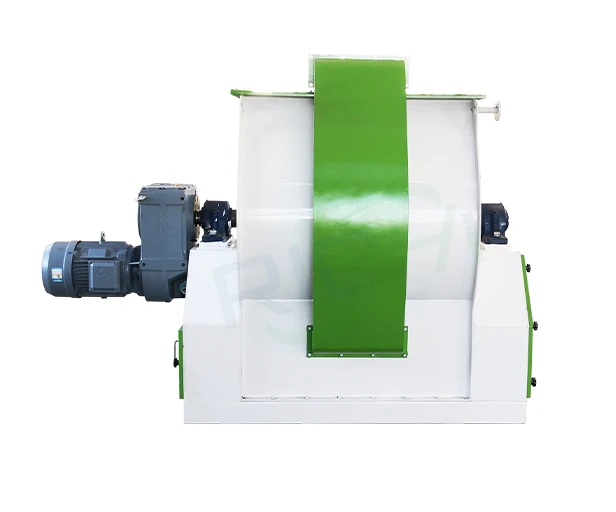
Mixing
Mxing Process
Weigh precisely and mix thoroughly all ingredients to ensure a balanced nutrition in every single feed pellet.
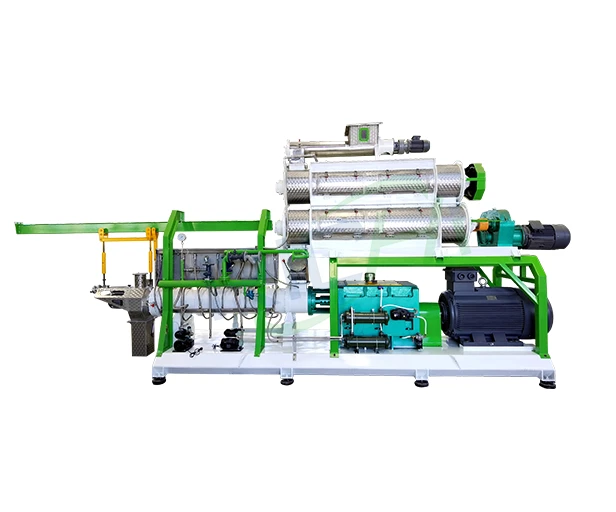
Extrusion/Pelletizing
Extrusion/Pelletizing Process
Depending on the buoyancy of the feed to be produced, either extrusion or pelleting processes can be selected.
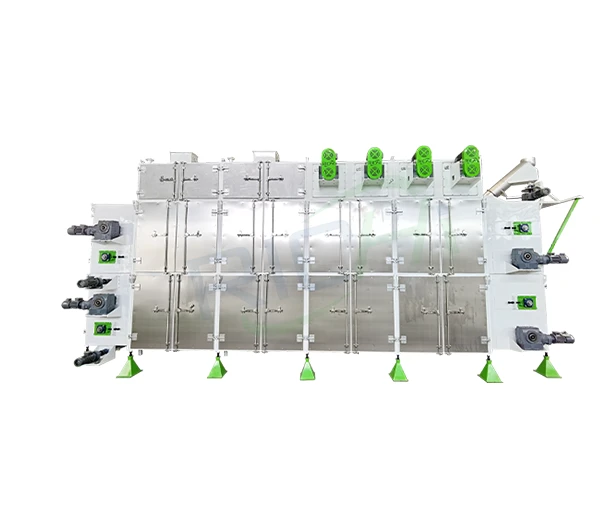
Drying
Drying Process
Dry the extruded feed pellets to approximately 10% moisture using a continuous mesh belt dryer.
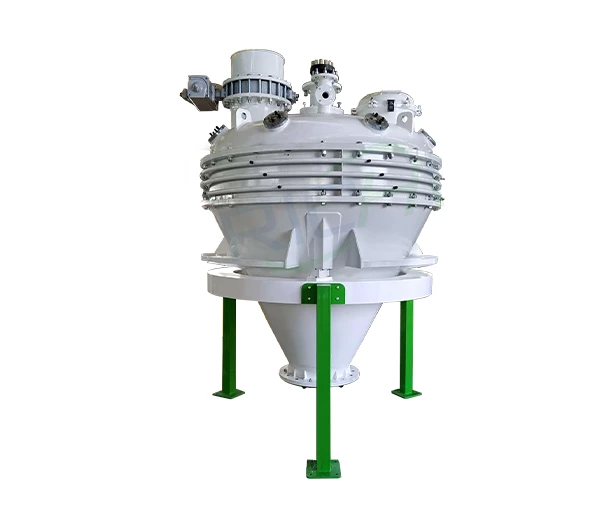
Сoating
Сoating Process
Coat the dried pellets with oil or liquid while they are in a microporous state to achieve optimal absorption.
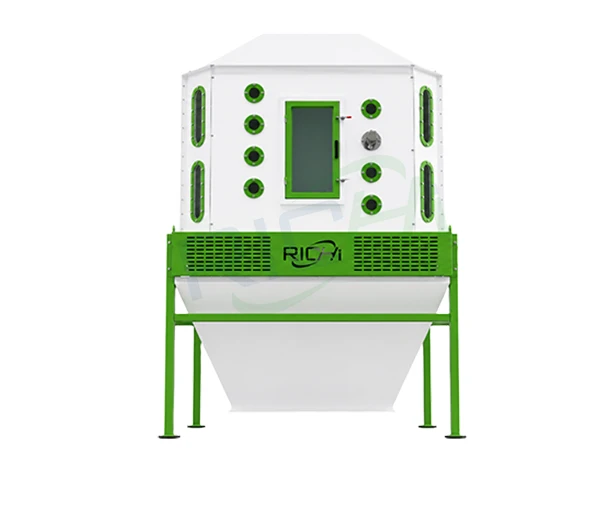
Сooling & Screening
Cooling & Screening Process
Cool the pellets to ambient temperature to increase hardness and prevent condensation during storage. Then screen them to remove fines and ovesize pellets.
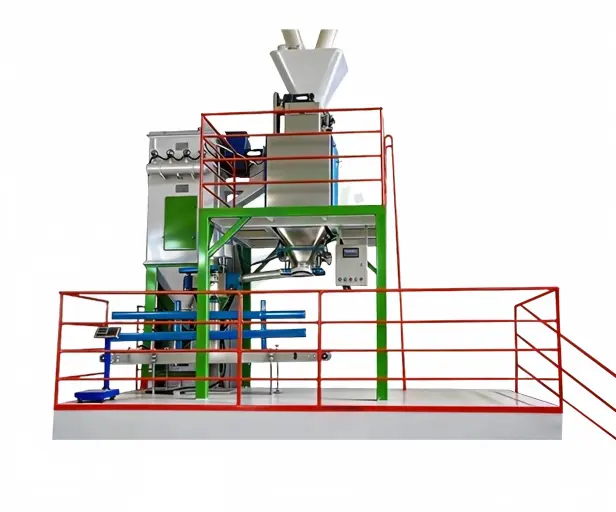
Packaging
Packaging Process
Weighing and packaging the compliant aquafeed pellets for transportation or sale.
Project Videos
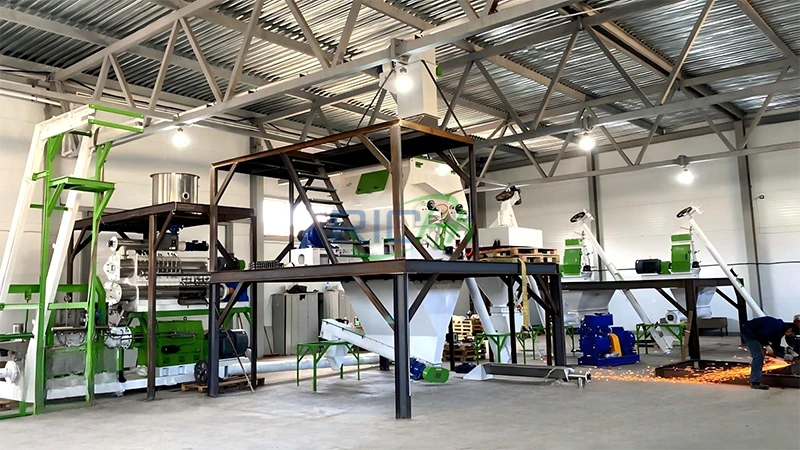

Russia 1.5-2 T/H Floating Fish Feed Production Plant
This Russian client primarily produces high-end fish feed. With the continued expansion of the local aquaculture industry, the demand for high-end aquatic feed has surged, and the client plans to renovate their existing factory to meet market supply demands.
The client’s original production line had a core flaw: it could not precisely control the buoyancy of feed pellets, resulting in poor stability of the finished pellets in water. Based on the client’s specific production challenges, we customized a floating fish feed production line for them.
The core process of the production line utilizes extrusion technology, and the entire line is equipped with a complete set of equipment including a crusher, a mixer, a wet fish feed extruder, a feed dryer machine, an oil spraying machine, a cooler, a vabriting screening equipment, and an automatic packing machine.
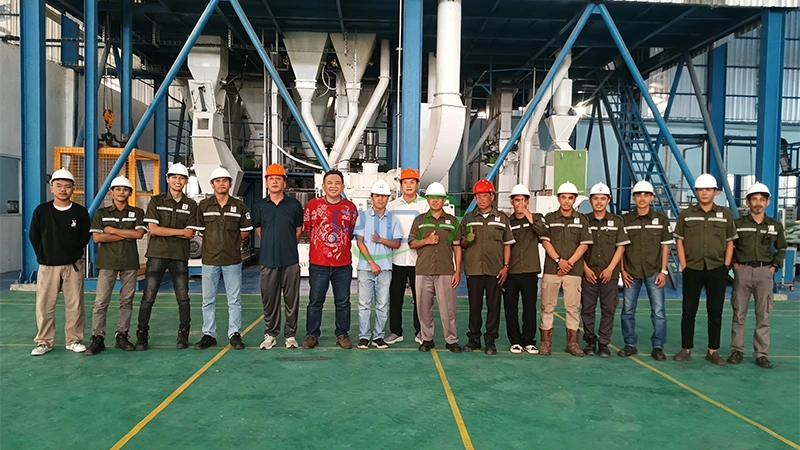
Indonesia 2 T/H Sinking Fish & Shrimp Feed Production Plant
The client plans to build a fully automated aqua feed plant to achieve large-scale production of sinking fish and shrimp pellet feed. Shrimp feed products have stringent standards, requiring not only a comprehensive and balanced nutritional profile but also excellent settling performance and stability in water.
To meet this production demand, RICHI uses steam conditioning and pelleting technology as the core of its production line, which fully promotes the gelatinization and complete maturation of the raw starch. Combined with a high compression ratio ring die, the resulting feed pellets have a dense structure and sufficient hardness, significantly improving water resistance.
In terms of supporting equipment, the crusher can crush raw materials to 60-80 mesh, with uniform output particle size; the paddle mixer has excellent mixing uniformity, ensuring that the nutritional composition of each grain of feed is consistent.
Recent Global Sucessful Projects
Below are some of the projects we have delivered, if you are planning to start an aqua feed plant similar to these, you can take these projects for your reference. Of course, we can also customize the aquatic feed production line for you according to your needs.
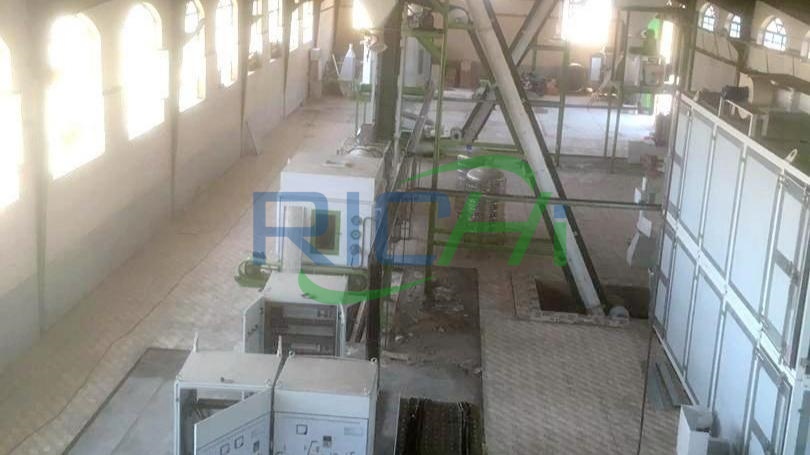
Iran 2-2.5 T/H extruding fish feed plant
The client, a poultry feed producer, wanted to add a floating fish feed production line to their existing factory to expand their product range and capture a larger share of the aquatic feed market.
After inspecting the factory site, we customized a composite production solution compatible with both floating fish feed and poultry feed. The production line uses a parallel layout, with core equipment configured as a floating fish feed extruder machine and a poultry feed pellet machine, enabling the co-production of both types of feed.
Auxiliary equipment such as a crusher, a mixer, a cooler, a screening machine, and a baler are shared. The fish feed pellets require additional drying and oil coating processes.
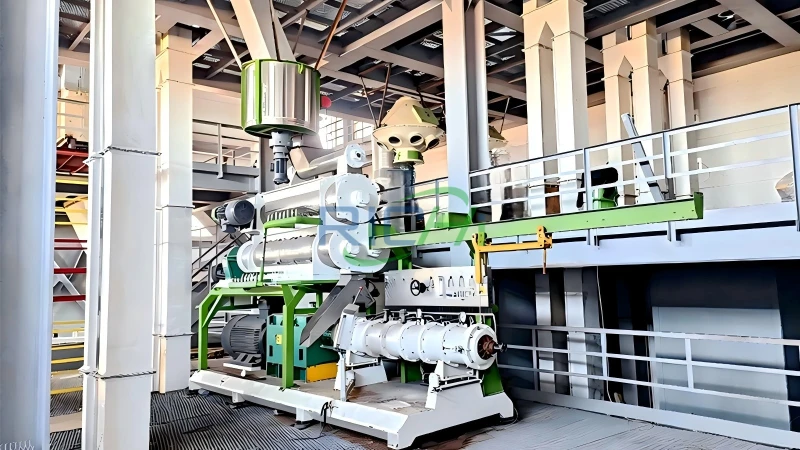
Iraq 5-6 T/H aquatic feed processing plant
The client plans to mass-produce extruded floating fish feed and has set multiple standards for the product: excellent buoyancy, resistance to disintegration in water, and a comprehensive and easily digestible nutritional profile. They also require a high degree of automation, stable operation, and continuous operation of the entire production line.
To address these needs, we designed a floating fish feed production line with a capacity of 5-6 tons per hour. The entire line is equipped with a computer control system for intelligent control throughout the process.
Extrusion is the core process, precisely controlling the buoyancy characteristics of the pellets. The line incorporates a post-coating process, where heat-sensitive nutrients are added after pelleting and cooling, preventing nutrient loss caused by high-temperature processing.
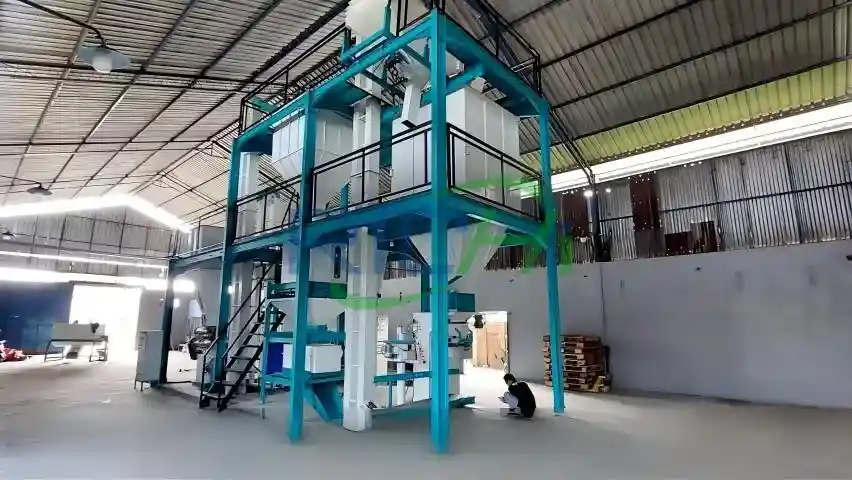
Malaysia 1-2 T/H shrimp feed production plant
This Malaysian client planned to launch a shrimp feed processing project, but their existing factory was small, with limited usable floor space. Furthermore, their initial budget for factory construction was limited, and they wanted to strictly control the total investment in equipment procurement, installation, and infrastructure.
Considering their two core requirements—limited space and controllable costs—we built a compact shrimp feed production line for them. The entire line is equipped with a grinder, mixer, shrimp feed pellet machine, counterflow pellet cooler, screening machine, and packaging scale.
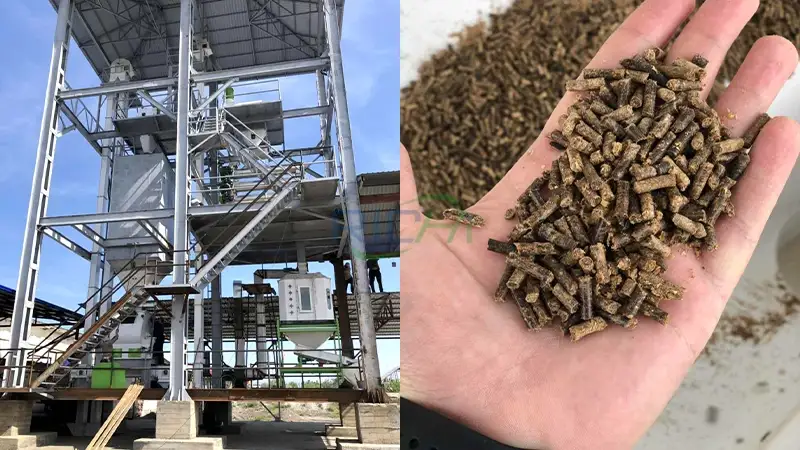
Uzbekistan 4-5 T/H sinking fish feed production plant
The client plans to invest in and build a fish feed plant to produce sinking pelleted feed suitable for freshwater fish such as carp. The entire production line uses a steam-conditioned pelleting process, with the core equipment being a fish feed pellet mill equipped with a three-layer conditioner.
The entire line adopts a top-down, three-dimensional layout, relying on gravity to transport raw materials from top to bottom, sequentially completing the entire process of crushing, batching, mixing, pelleting, and cooling, effectively reducing land occupation and lowering production energy consumption.
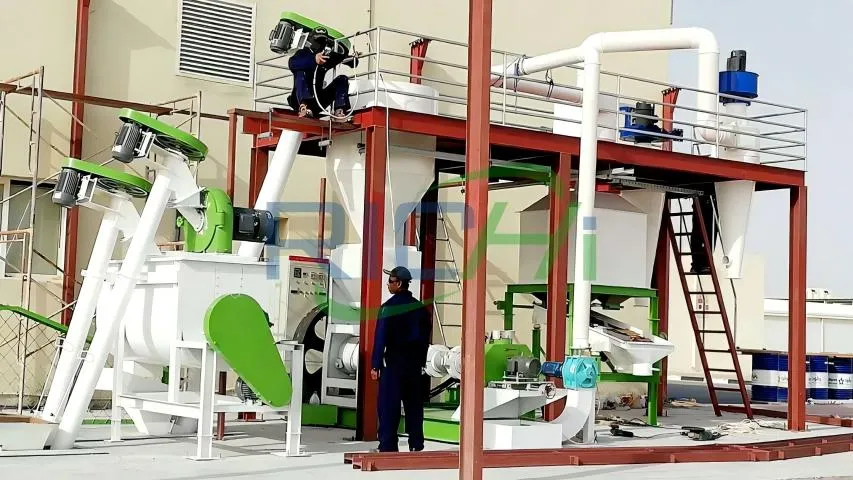
Qatar 1-1.5 T/H Floating Fish Feed Production Line
The client owns a large bass farm and, to reduce feeding costs, decided to build a small floating fish feed mill to achieve feed self-sufficiency while selling some of the feed to increase revenue.
Based on the client’s needs, we designed a floating fish feed production line with a capacity of 0.5-1 ton per hour. The entire line is equipped with an animal feed grinder, a single-ribbon animal feed mixer machine, a dry fish feed extruder, a pellet cooler, and a pellet screener.
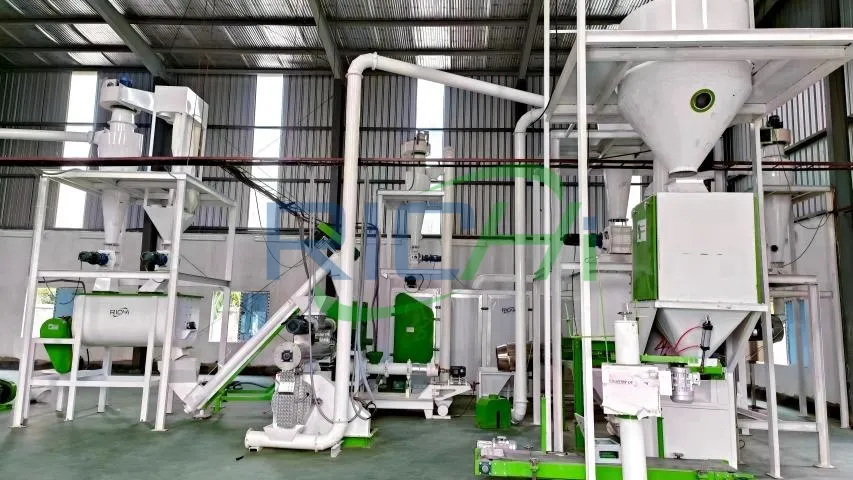
Bangladesh 0.3-0.5 T/H Floating Fish Feed Production Line
The client wanted to invest in building a small integrated feed mill to simultaneously produce chicken feed and floating fish feed, thereby enriching their product range and expanding their sales channels.
We designed a dual-purpose production line after assessing the client’s on-site factory conditions. The line features a parallel layout with two core machines: a dry extruder and a chicken feed pellet machine. The two machines share all auxiliary units for crushing, mixing, cooling, screening and packaging. Production of fish feed calls for separate drying and coating machinery.
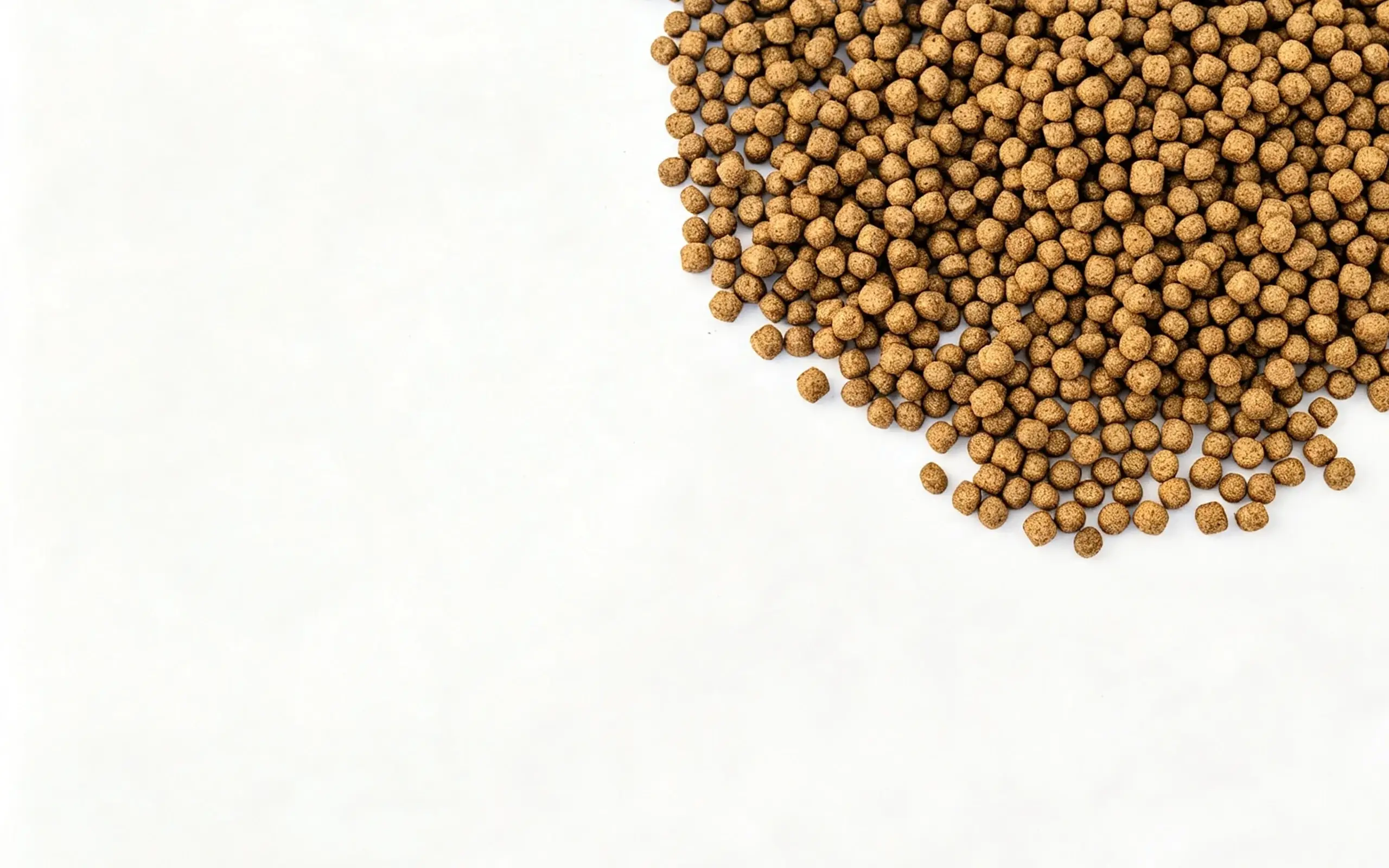
Aqua Feed Plant of Various Output
Are you considering invest in an aqua feed mill but don’t know how to start? RICHI Manufacture offers comprehensive, one-stop services covering the entire project lifecycle, including plant planning, system design, equipment manufacturing, and installation and commissioning. We can provide turnkey aquatic feed production line tailored to your specific needs.
Core Pelleting Machines
Depending on the type of aquatic feed to be produced, we offer two different types of production equipment. One is a fish feed pellet making machine, which uses steam conditioning + ring die pressing technology to produce various sinking aquatic feeds of 1-12 mm. The other is a fish feed extruder, which uses extrusion technology to precisely control the buoyancy of the pelleted feed.
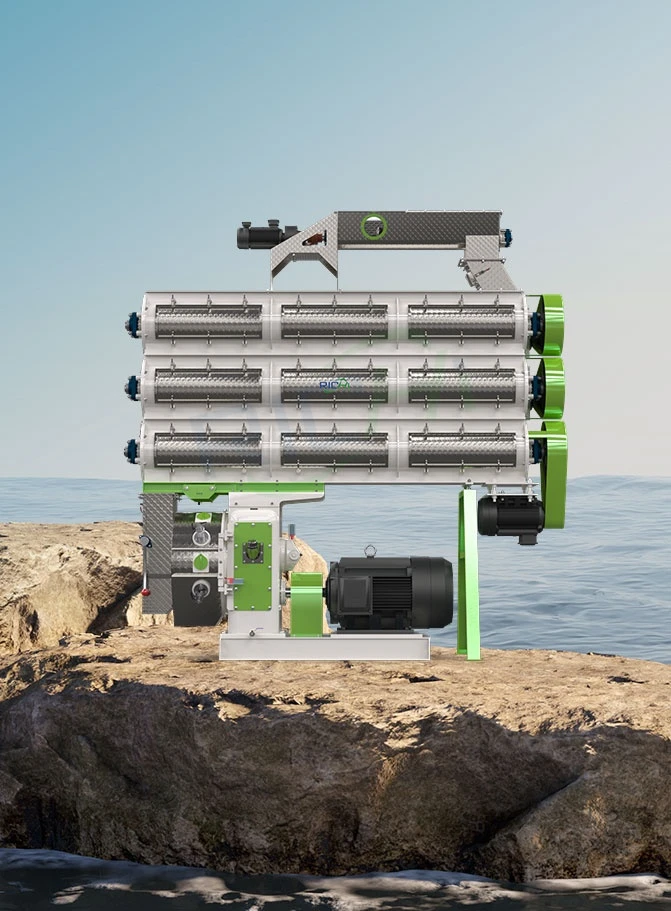
Fish Feed Pellet Making Machine
RICHI fish feed pellet making machine features a three-layer thickened and elongated conditioner, which can fully gelatinize starch, kill bacteria, and improve feed digestibility.

01.
Capacity 1-40 T/H
02.
Suitable for producing sinking feed pellets
03.
1-12mm pellet diameter
Fish Feed Extruder Machine
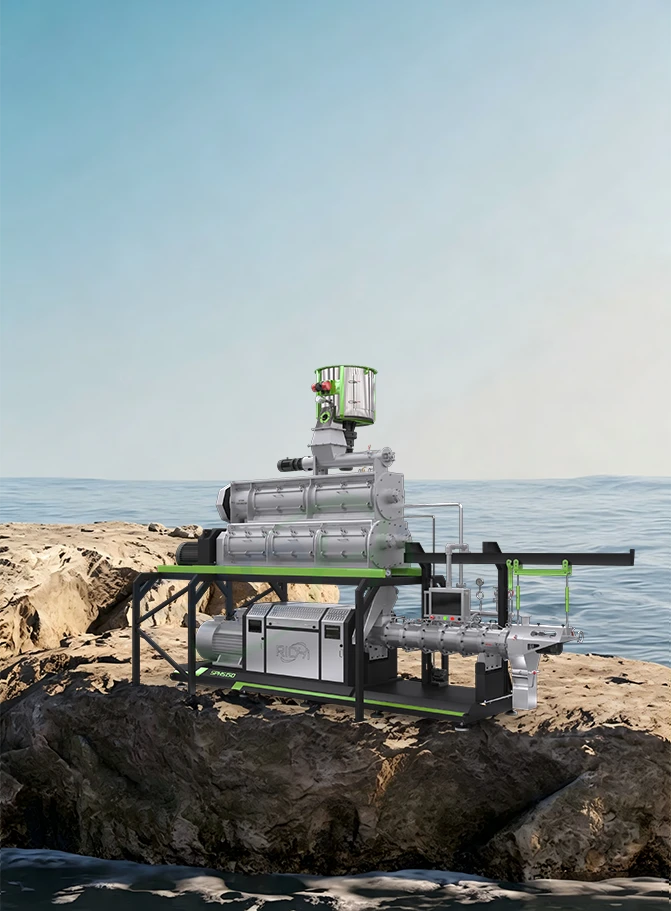
RICHI fish feed extruder machines include two types: dry extruders and wet extruders. The former is suitable for small-scale fish feed production, while the latter is suitable for aquatic feed mills with high feed quality requirements and large production volumes.
01.
Capacity 0.2-12 T/H
02.
Suitable for producing floating, sinking and slow sinking feed pellets
03.
0.5-12mm pellet diameter
How to start an aqua feed plant?
Investing in and building an aquatic feed mill requires consideration beyond equipment procurement; it necessitates a comprehensive assessment of market demand, raw material supply, production processes, and long-term operating costs. A well-planned aquatic feed project can help investors mitigate risks, improve production efficiency, and achieve stable returns.
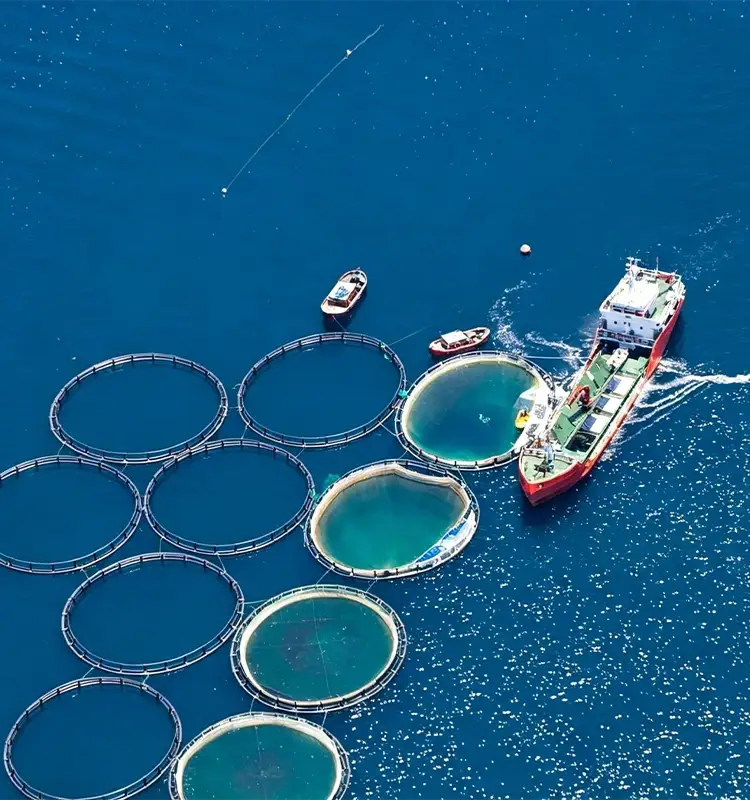
Please refer to the following investment advice:

Define Your Production Goals
Before building an aqua feed manufacturing plant, it is essential to understand the local aquaculture market and determine the planned feed types and target production capacity.
Evaluate Raw Material Availability and Formula Requirements
Different aquatic feed products have different requirements for the fineness of raw material grinding, uniformity of mixing, and extrusion process. Therefore, it is necessary to determine the appropriate production process during the project design stage.
Design a Suitable Aquafeed Production Process
Different products require different processes. For example, floating fish feed typically uses an extrusion process, while sinking fish feed requires optimized particle density to ensure rapid sinking. A well-designed process can improve product quality and reduce energy consumption and losses during production.
Choose Reliable Aquafeed Production Equipment
The core equipment of an aquatic feed mill directly impacts product quality and production efficiency. Choosing an experienced equipment manufacturer can avoid problems such as inappropriate equipment matching, insufficient capacity, and difficulties in later maintenance.
Work with an Experienced Aquafeed Plant Manufacturer
Building an aqua feed processing plant involves more than just purchasing equipment; it requires professional engineering design capabilities. RICHI can provide customized aqua feed plant solutions based on the client’s country, raw material conditions, target products, and investment budget, helping clients smoothly transition from project planning to formal production.
RICHI Turnkey Project Full Service Process
RICHI Manufacture has established a comprehensive after-sales service system. We provide full-lifecycle technical support—covering project design, equipment manufacturing, installation, technical training, operational guidance, and spare parts supply—to ensure the continuous, efficient, and stable operation of the production line.

Customized Solution Design
Share details including your raw materials, required production capacity, factory space and investment budget. Our engineering team will design custom factory layout drawings fully tailored to your actual needs.
Equipment Manufacturing
After all technical parameters are confirmed and the cooperation contract executed, we will schedule production within our manufacturing plant. Prior to shipment, strict factory acceptance inspection and full-load machine test runs will be carried out comprehensively.
Shipment & Logistics
All machinery and matching spare parts will be sorted, packaged and loaded systematically. Our team completes full customs documentation and coordinates sea freight services to ensure secure delivery of goods to your target port.
On-site Installation
Our professional engineering technicians will be dispatched to your facility to carry out equipment assembly, pipeline fitting, electrical circuit installation and complete full-line commissioning tests.
Operation & Maintenance Training
We train your staff on full operation workflows, daily maintenance, wear part replacement and troubleshooting typical malfunctions. English operation manuals and tutorial videos will also be provided for your reference.
Lifelong After-sales Tracking Service
We provide a 12-month full machine warranty, fast spare parts delivery, 24/7 online remote technical support, and regular after-sales follow-ups. We fully ensure your long-term stable production.
FAQ
The following questions cover the aspects that clients are most concerned about when consulting on the construction of an aqua feed plant, including investment costs, equipment selection, capacity planning, process flow, and project services:
How much does it cost to build an aqua feed mill?
+
The investment cost depends on plant capacity, automation level, equipment configuration, factory size and local construction conditions. RICHI can design customized aquafeed plant solutions based on your budget and production requirements.
What capacity should I choose for my aquafeed plant?
+
The suitable capacity depends on your target market, sales volume and future expansion plans. RICHI provides aquafeed production lines from 0.2-40T/H, suitable for small farms, commercial feed mills and large-scale feed enterprises.
What types of aquafeed can be produced in an aquatic feed processing plant?
+
A complete aquafeed plant can produce various aquatic feeds, including floating fish feed, sinking fish feed, shrimp feed, crab feed and other specialty aquatic feeds by adjusting formulas and production processes.
Should I choose a dry type or wet type fish feed extruder?
+
The choice depends on product requirements, investment scale and production goals. Dry type extruders are suitable for small and medium production, while wet type extruders provide better control of floating performance and are widely used in large commercial aquafeed plants.
How long does it take to build an aqua feed plant?
+
The project duration depends on plant scale, equipment manufacturing, installation conditions and commissioning requirements. Generally, the construction period for a small to medium-sized simple aquatic feed mill (below 10 T/H) is about 7-30 days. The construction period for a large-scale automated aquatic feed mill is about 50-90 days.
Can you provide complete turnkey engineering services?
+
Yes. RICHI provides complete turnkey solutions, including project consultation, process design, equipment manufacturing, installation guidance, commissioning and operator training.
Why should I choose RICHI for my aqua feed plant project?
+
RICHI Manufacture provides customized aqua feed plant solutions with professional engineering experience, advanced manufacturing capabilities and global project expertise. We help customers build efficient and reliable aquatic feed factories from concept to production. (view our YouTube)
RICHI MANUFACTURE
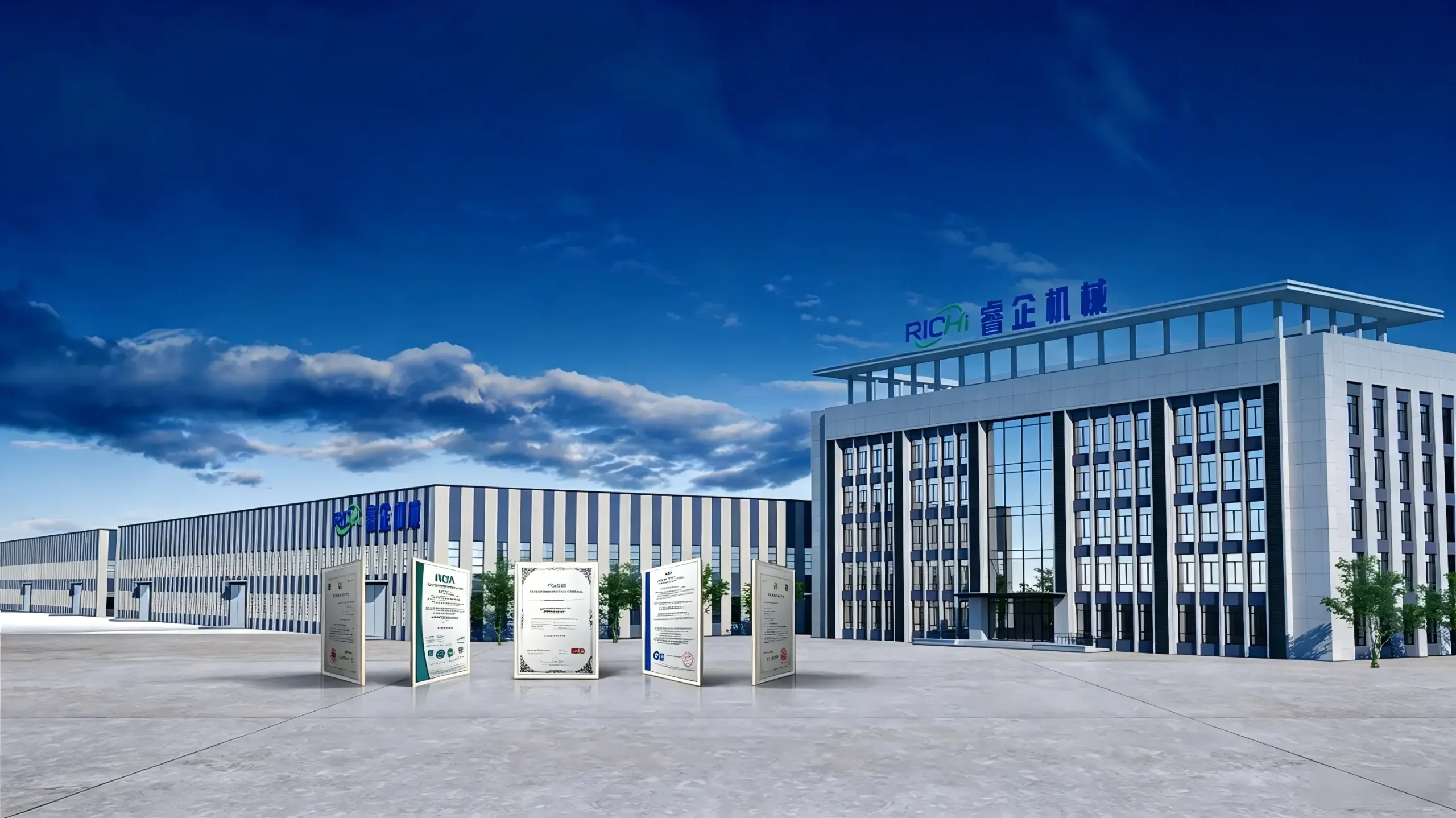
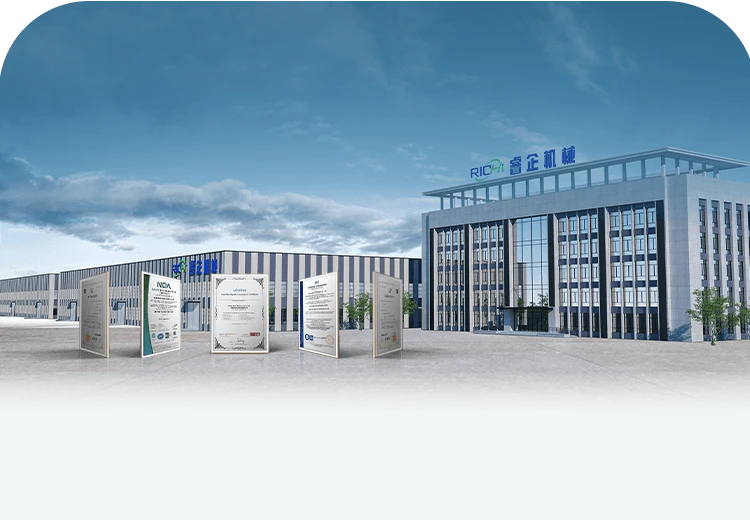
Henan RICHI Manufacture was founded in 1995. We are a professional integrated manufacturer covering R&D, production, engineering design and installation for feed, biomass, organic fertilizer, cat litter pellet lines, steel silos and automatic control systems. RICHI has obtained a full range of authoritative international certifications, including CE, TÜV, SGS, BV, RTN, ISO9001, amd more, laying a solid foundation for global trade. Featuring world-class process equipment such as large CNC cutting machines, CNC drilling machines, smart sandblasting & painting lines, and dynamic balancing testers, we guarantee premium equipment quality to empower the successful execution and commissioning of our global clients’ projects.
60,000
m²
Factory Area
30+
Years of Experience
140+
Exported Countries
2,000
+
Global Projects
To be art, to be artist. We deliver premium turnkey projects with professional craftsmanship and innovation.