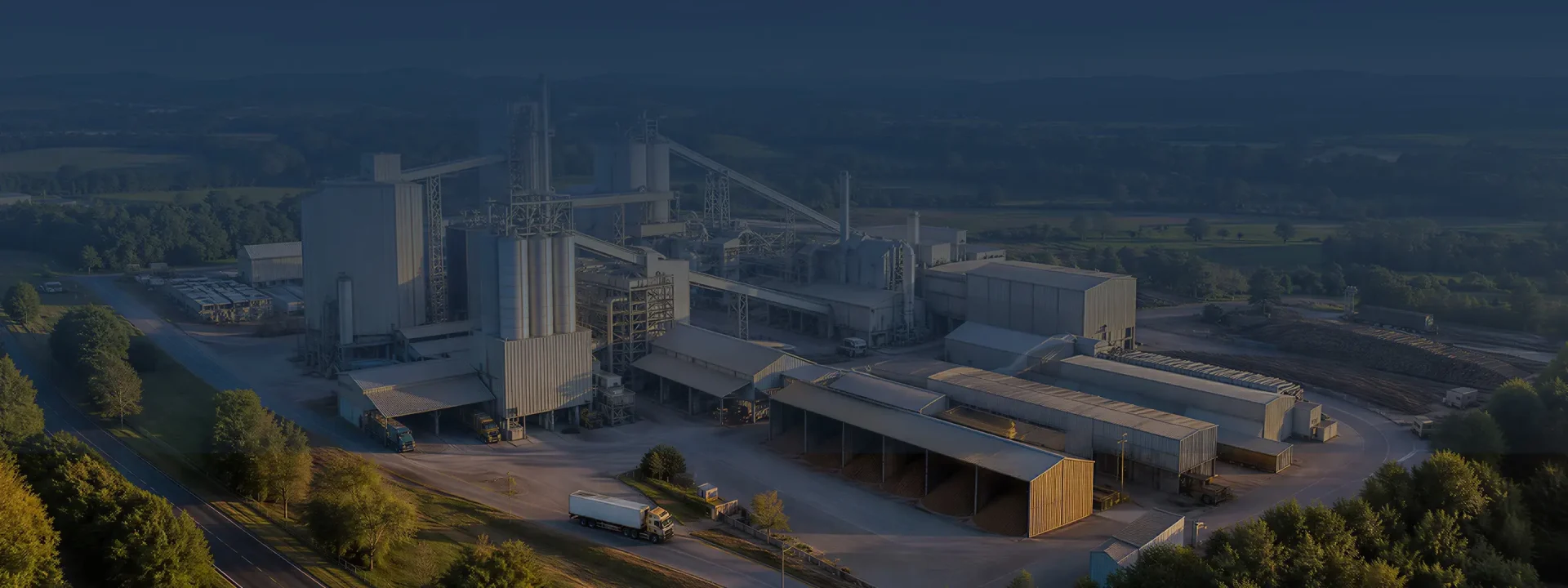
Wood pellet production line price
Obtain the wood pellet production line price for turnkey solutions ranging from crushing to packaging, with available capacities of 0.5-40T/H featuring energy-saving and durable performance.
What Affects the Wood Pellet production line Price?
The cost of a complete wood pellet production line can range from hundreds of thousands to millions of US dollars. It is unwise to consider cost as the sole or primary factor, as various key elements influence the total investment amount.
- Production Capacity: Output capacity directly correlates with total equipment cost. For reference, a 1–2 T/H wood pellet line costs between $100,000 and $250,000, whereas an 8–10 T/H complete production line can cost up to $800,000.
- Degree of Automation: Semi-manual wood pellet lines come with a lower price tag. In contrast, fully automated PLC-controlled wood pellet processing systems carry a higher investment cost.
- Line Configuration: Even for lines with identical hourly output, total costs can differ drastically depending on equipment matching. A full turnkey wood pellet system generally consists of crushing, pelleting, cooling, screening and automatic packaging subsystems.
Cheaper wood pellet manufacturing line often have shorter lifespan and higher maintenance costs. While our quotes may not necessarily be the lowest on the market, our equipment offers exceptional value for money and trustworthy, reliable quality.
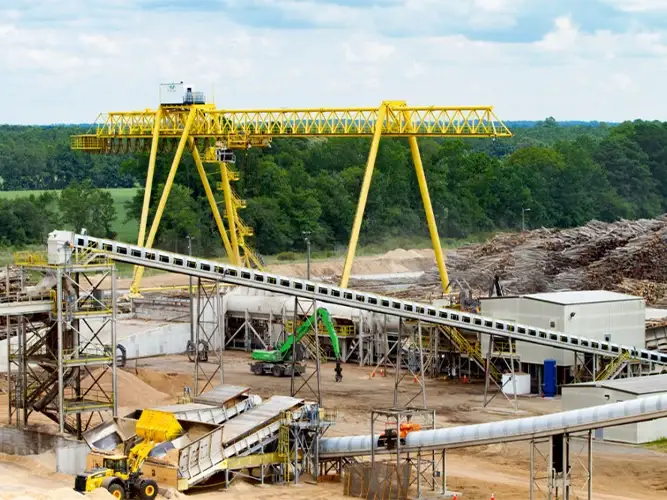

What’s included in Wood Pellet Production Line Price
A wood pellet production line price typically covers the crushing, drying, pelletizing, cooling, screening, packaging, conveying, and dust removal systems. The following is a list of common equipment found in wood pellet lines, provided for your reference.
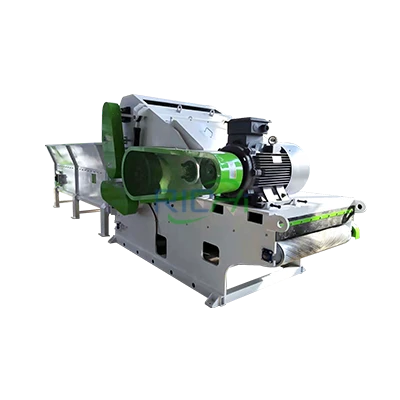
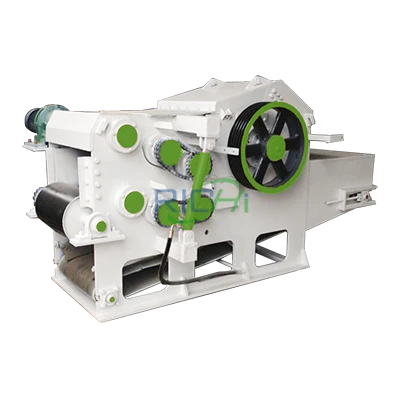
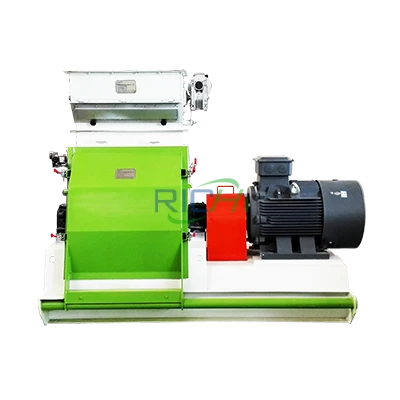
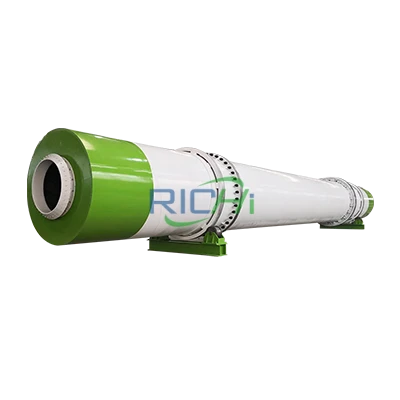
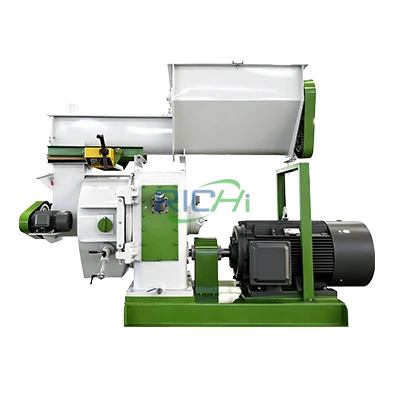
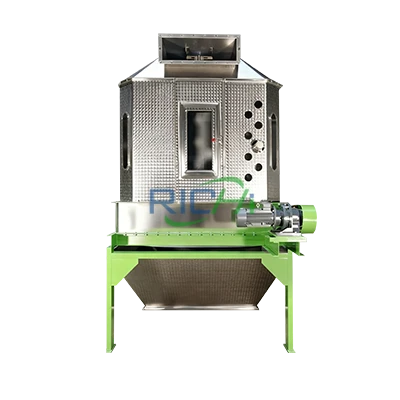
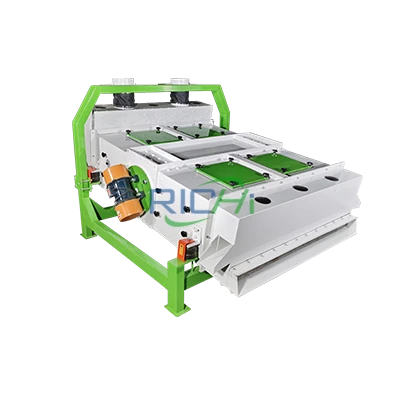
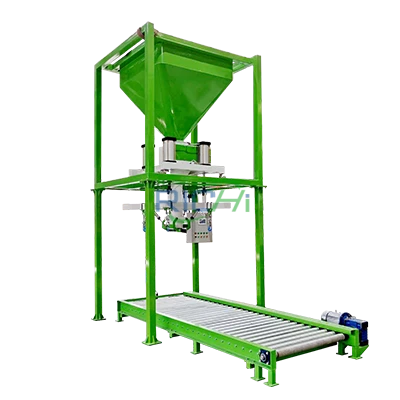
Wood Pellet Production Line Price: Small to Industrial Budget Cost Breakdown
Below are the prices for wood pellet production lines with various production capacities. If you are interested in starting a sawdust pellet business, please feel free to contact us.
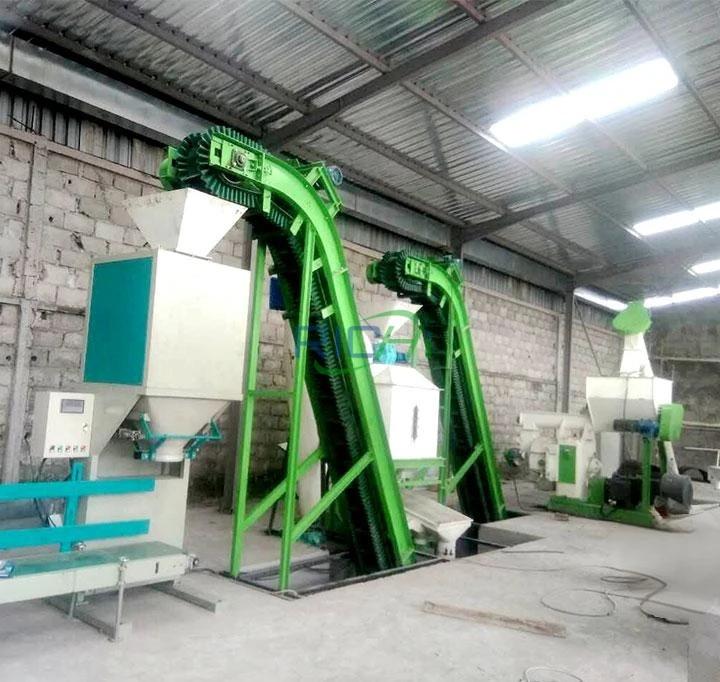
1-1.5 T/H wood pellet production line price
- $100,000 – $200000
1-1.5 T/H
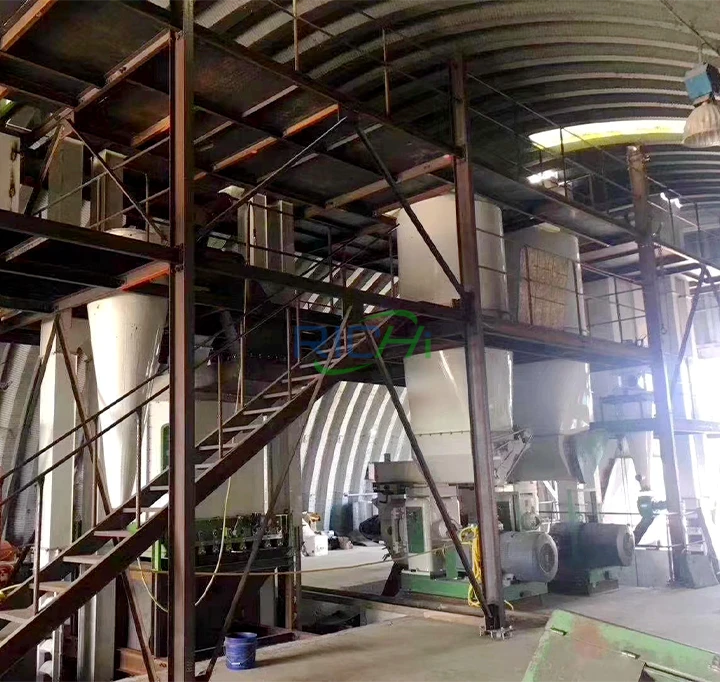
3-4 T/H wood pellet line price
- $200,000 – $400,000
3-4 T/H
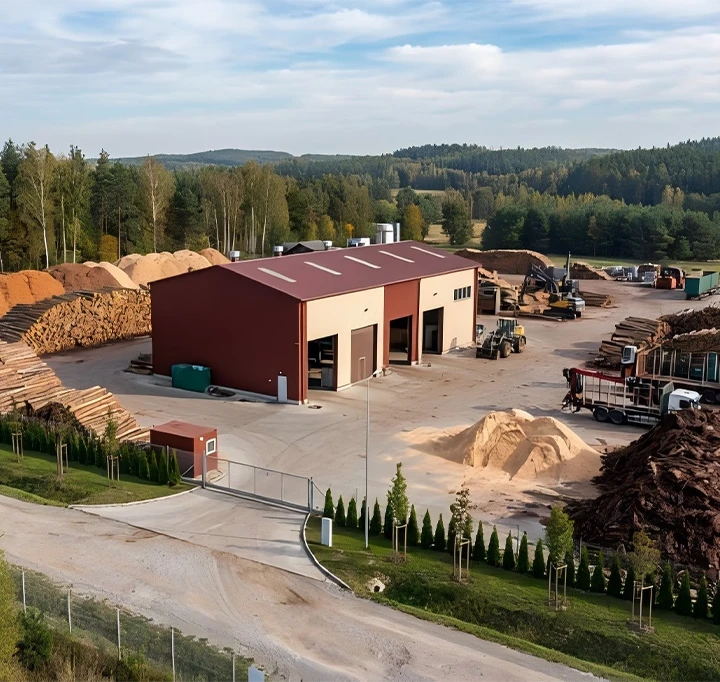
6-8 T/H wood pellet production line price
- $250,000 – $450,000
6-8 T/H
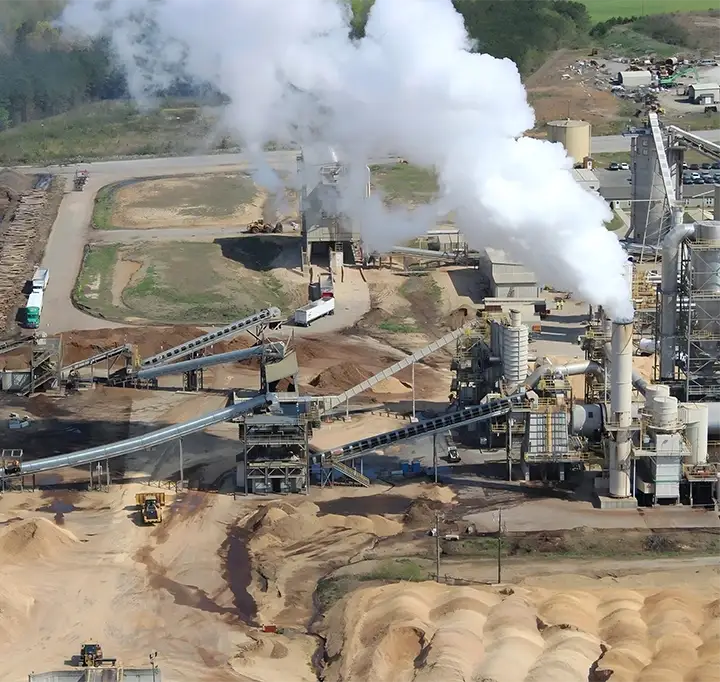
8-10 T/H wood pellet plant Cost
- $300,000– $800,000
8-10 T/H
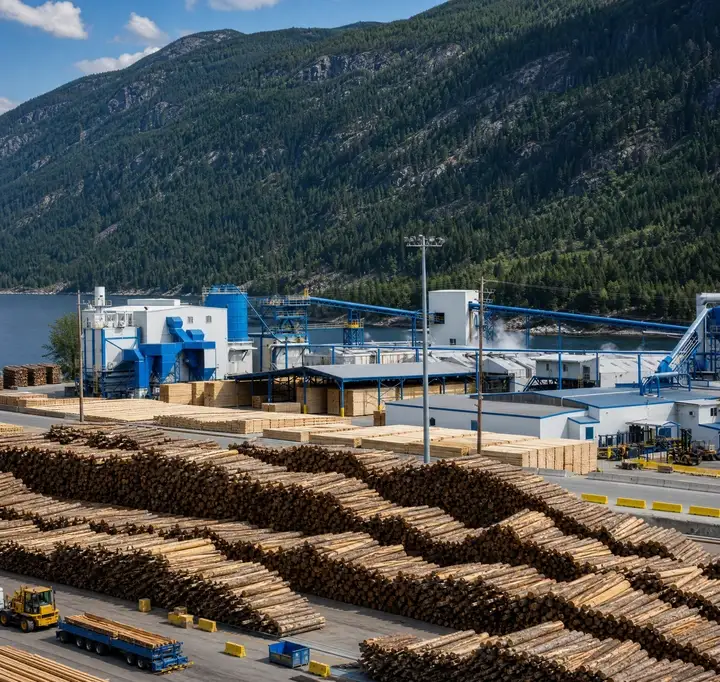
10-20 T/H wood pellet plant Cost
- $500,000 – $1,600,000
10-20 T/H
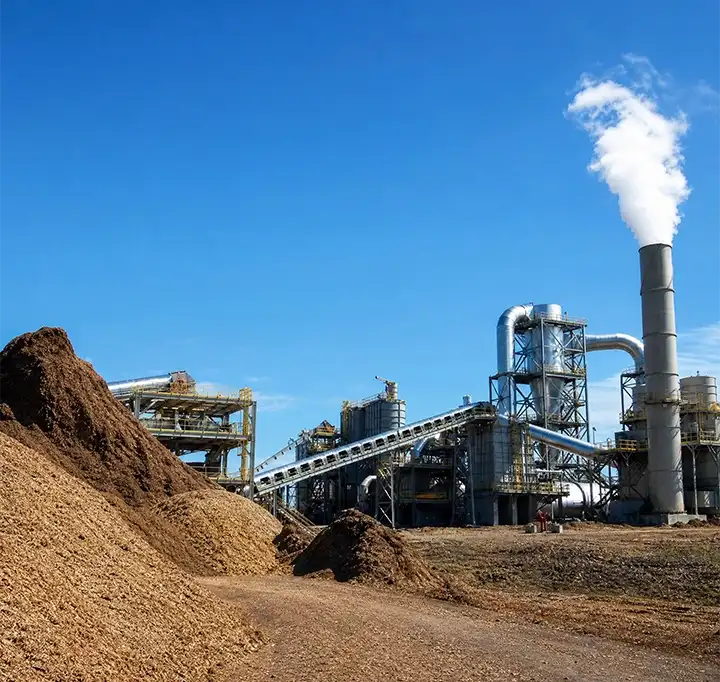
20-40 T/H wood pellet factory price
- $1,000,000 – $3,000,000
20-40 T/H

Global Customer Cases
Below are wood pellet production line price details of our delivered projects for your reference. If you’re interested in more wood pellet factory projects, feel free to contact us anytime.
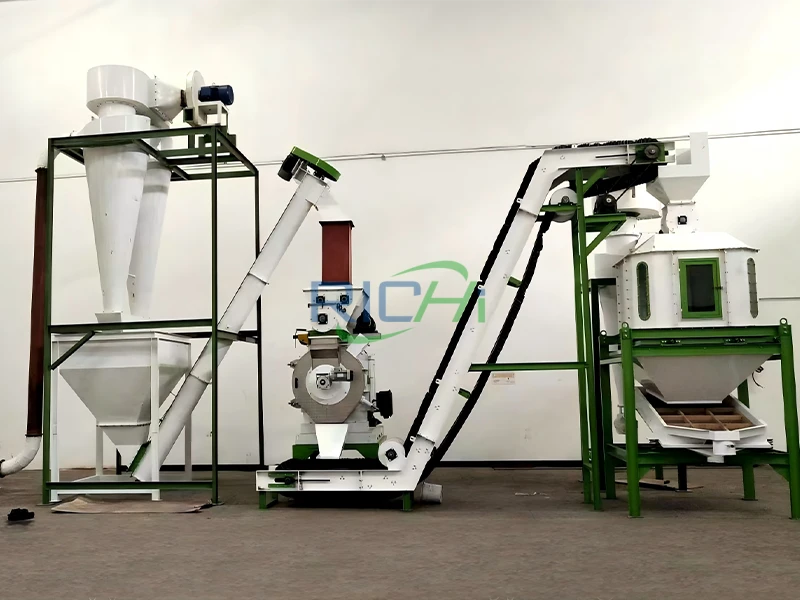
1-2 T/H Wood Pellet Factory in Singapore
- Date: December. 2025
- Production Line Configuration: Multifunctional crusher, wood pellet mill, pellet cooler, and vibrating screen machine.
- Price: $100,000
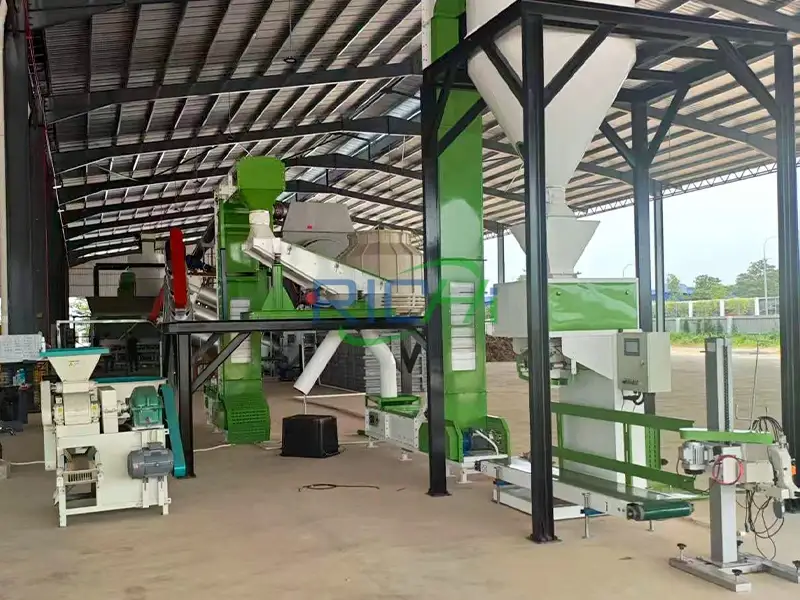
1.5-2 T/H Wood pellet Plant for Sale Austria
- Date: July, 2025
- Production Line Configuration: wood chipper, wood hammer mill, wood pelletizer, rotary dryer machine, cooler, vibrating screen, and packaging machine, storage silo.
- Price: $ 320,000
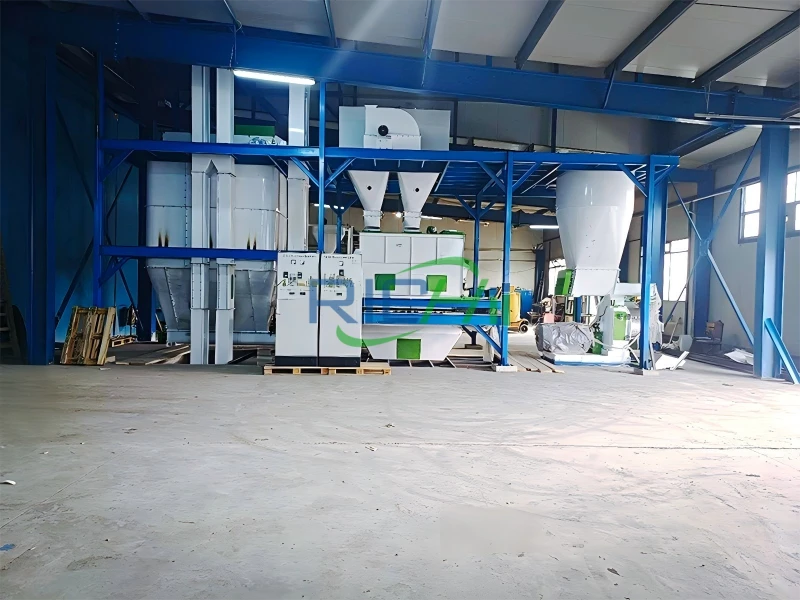
2-2.5 T/H Wood Pellet Line for Sale Romania
- Date: Janurary. 2025
- Production Line Configuration: wood chip cleaning screen, wood chip hammer mill, wood dryer, wood pellet mill, a counterflow cooler, vibrating screen, and fully automatic bagging machine.
- Price: $380,000
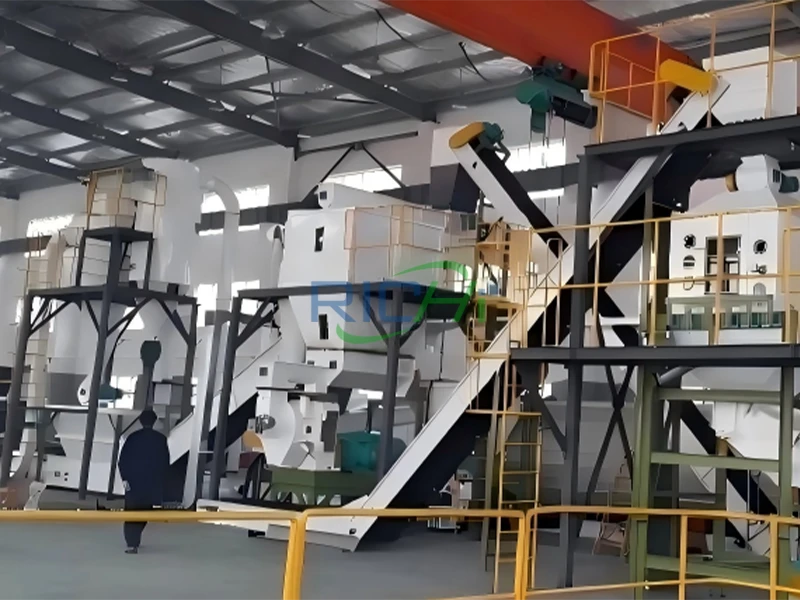
3-4 T/H Wood Pellet Manufacturing Plant for Sale Canada
- Date: April, 2026
- Production Line Configuration: wood crusher, wood pellet mill, pellet cooler, vibrating screen, packaging scale, and conveying equipment.
- Price: $280,000
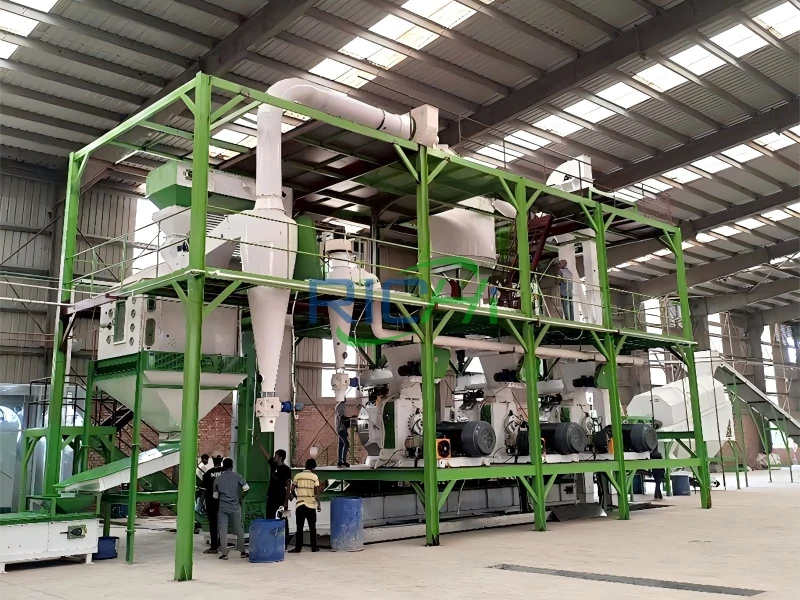
20 T/H Wood Pellet Processing Plant for Sale Bangladesh
- Date: February, 2026
- Production Line Configuration: wood grinder, three heavy-duty wood pellet presses, cooler, vibrating screen, packaging scale, and conveying equipment.
- Price: $ 1000,000
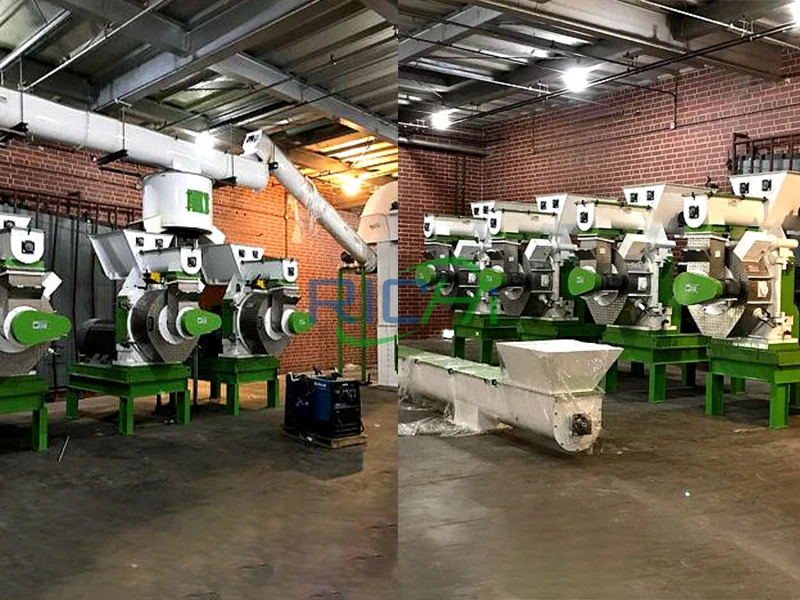
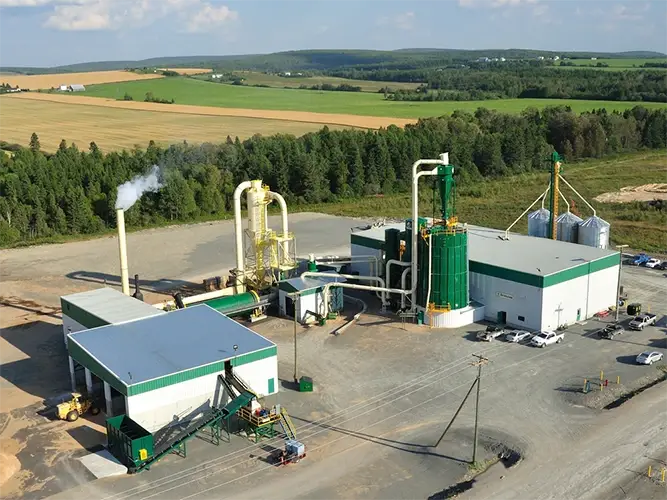
10-12 T/H Wood Pelleting Plant for Sale USA
- Date: March, 2026
- Production Line Configuration: wood chipper, wood drying machine, four heavy-duty wood pellet makers, cooler, vibrating screen, ton bag scale, and conveying equipment.
- Price: $850,000
How to Choose the Wood Pellet production line for Sale
Review the key considerations below before sending us an inquiry, so we can customize the most suitable production solution for your project.
- Calculate your required daily output. Total investment for a wood pellet plant varies widely depending on production scale. We advise selecting a pellet line with 20%–30% excess capacity above your current target output to leave room for future expansion.
- Do not compromise on finished pellet quality. Lines with extremely low upfront costs often produce poor-quality pellets. The finished products tend to lack sufficient density and deliver low calorific value.
- Consider your overall budget. If you have ample funds, we recommend establishing a fully automated wood pellet processing plant. A fully automated production line offers convenient operation and minimizes labor costs; however, the initial investment for such a facility is correspondingly higher.

Why Choose RICHI Machinery
Choosing RICHI Machinery means you’ll receive not only high-quality equipment but also one-stop solutions and comprehensive service support. Choosing us means partnering with a professional, reliable, and worry-free provider. Here are some key reasons to choose us:
Complete After-Sales Service
Comprehensive Service — We provide a one-stop solution covering the entire project lifecycle, ranging from requirements analysis and system design to equipment manufacturing, installation and commissioning, as well as operational training and long-term spare parts support. You simply need to provide the site and raw materials; leave the rest to us to ensure a hassle-free launch and worry-free operation.
Richi Industry Experience
With years of deep expertise in the biomass pellet sector, we have developed proven solutions that accommodate a wide range of raw materials and operational conditions. We offer mature processing solutions for everything from wood processing residues—such as sawdust and wood shavings—to agricultural and forestry waste, including straw, rice husks, branches, and bark. Our successful track record spans the globe, with projects delivered across 140 countries and regions.
Quality Assurance
We insist on using high-quality steel and core components from reputable brands, subjecting every production step and piece of equipment to rigorous factory testing. Integrated system commissioning ensures seamless coordination and stable operation across all units, minimizing failure rates at the source and delivering a production line truly capable of withstanding the demands of long-term, continuous operation.
How a wood pellet Production Line Works
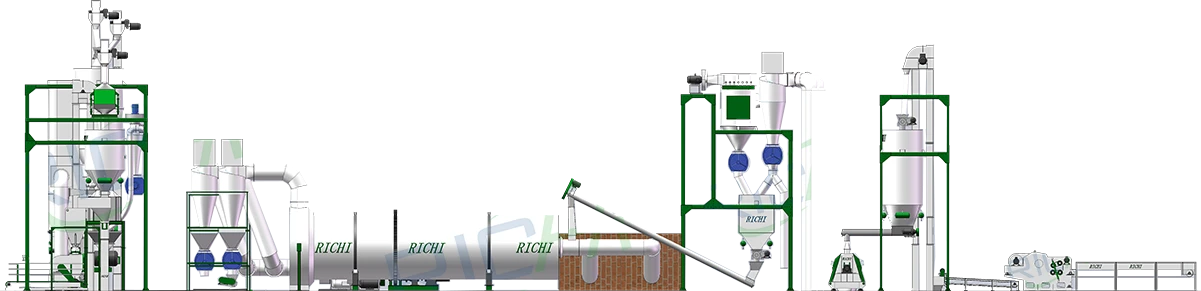
A wood pellet production line serves as a quintessential example of a wood waste deep-processing system. Its primary objective is to transform wood materials—such as sawdust, wood shavings, wood blocks, and branches—into pellet fuel that is high in density, easy to store, and convenient to transport. The entire operational workflow of a wood pellet line primarily encompasses eight core stages.
01
Cleaning Process
First, use an iron remover to remove impurities (such as stones, metal, etc.) from the wood chips.
02
Coarse Crushingl Process
If the raw materials are excessively large (such as pallets or tree trunks), they must first be cut into small wood chips approximately 3–5 cm in size.
03
Fine Grinding Process
Use a wood chip hammer mill to crush small wood chips into fine sawdust, facilitating subsequent pelletizing.
04
Drying Process
If the raw materials have an excessively high moisture content, they must first be dried to reduce the moisture level to approximately 10% before proceeding with pelleting.
06
Cooling Process
Use a counterflow cooler to cool the freshly pressed wood pellets to room temperature, thereby enhancing their hardness and stability.
07
Screening process
The vibrating screen separates powder and substandard wood pellets, ensuring uniform product size.
08
Packing Process
Use an automatic packaging machine to weigh and bag the finished wood pellets.

FAQs
Are my raw materials (such as wet sawdust, straw, or rice husks) suitable for pelletizing? What pre-treatment is required?
+
Most biomass feedstocks are suitable for pelletizing; however, variations in moisture content, fiber structure, and ash content determine whether equipment such as dryers, grinders, or screening machines is needed. We offer free analysis based on your raw material samples and provide a customized process solution.
What is the average wood pellet production line price?
+
The price range for wood pellet production lines is from $100,000 to over $3,000,000, depending on capacity, automatic level, and equipment configuration. Establishing a wood pellet processing line with a capacity of 1 to 2 tons per hour requires an investment of approximately $100,000 to $250,000, whereas large-scale lines with capacities exceeding 10 tons per hour can cost millions of dollars.
We can provide a specific quotation based on your target production capacity; meanwhile, we recommend selecting an appropriate capacity by considering raw material stability and sales channels to avoid over-investment or insufficient capacity.
What equipment is included in the entire production line? Is it available for purchase as individual units or as a complete system?
+
A complete wood pellet processing line typically comprises a crusher, dryer, pellet mill, cooler, screener, and packaging machine, along with supporting conveying, dust removal, and electrical control systems. We provide complete equipment packages and integrated system commissioning; compared to sourcing and assembling equipment yourself, this approach ensures superior system compatibility and streamlined after-sales support.
What is the delivery lead time? How are installation and commissioning arranged? Are there additional costs?
+
Standard equipment is generally available in stock or has a short production lead time; the turnaround for a complete production line—from order placement to shipment—is typically 15 to 30 days. We provide guidance and on-site support for installation and commissioning. Specific costs depend on the project scale and whether engineers need to be dispatched overseas, and these will be clearly itemized in the quotation.
How is after-sales service guaranteed? What is the warranty period? Are spare parts easy to obtain?
+
We provide a warranty for the entire machine (excluding wear parts) and resolve any quality issues free of charge during the warranty period. We maintain a comprehensive spare parts warehouse; commonly used parts are ready for immediate shipment, ensuring you do not experience prolonged downtime while waiting for components. (view our YouTube)