
Fish Feed Milling Machine
High-Quality Floating & Sinking Fish Feed Processing Solutions
Want to produce high-quality fish feed using a fish feed milling machine? Want to increase production, reduce costs, and expand your market? Then I believe the following information will be of great help to you! Whether you are an aquatic feed processing plant, a fish farm, a feed trader, or a new entrepreneur preparing to enter the fish feed market, if you want to produce fish feed with high nutrition, high stability, and high buoyancy performance, RICHI is your best choice.


What Does Fish Feed Milling Machine Mean?
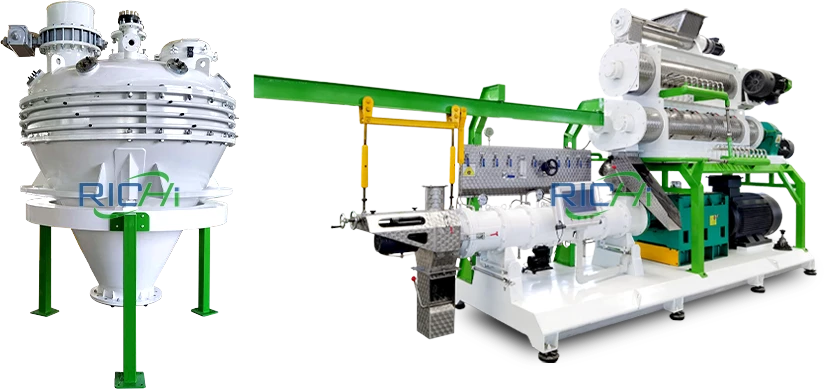
Some people say it refers to a complete crushing system used for pre-processing fish feed before pelleting; others say it refers to a fish feed mill; still others say it refers to a complete fish feed production line. But in most countries, fish feed milling machine is more often used to refer to a complete fish feed pelleting plant.
Different countries have different understandings of this term. Therefore, to help all customers find the most suitable fish feed production equipment below, I will mainly introduce:
- What does a complete fish feed production line consist of?
- How to produce fish feed with a complete fish feed mill plant?
- As one of the key pieces of equipment in the entire production line, What are the main types of fish feed pellet mills??
And many other information, including relevant project case studies of fish feed factories, etc., which I hope will be helpful to you!
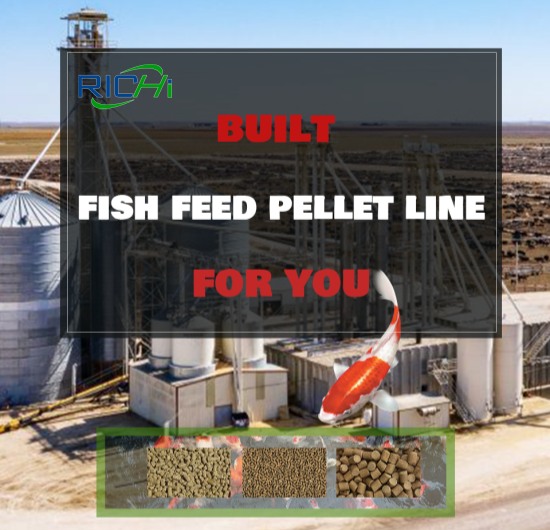
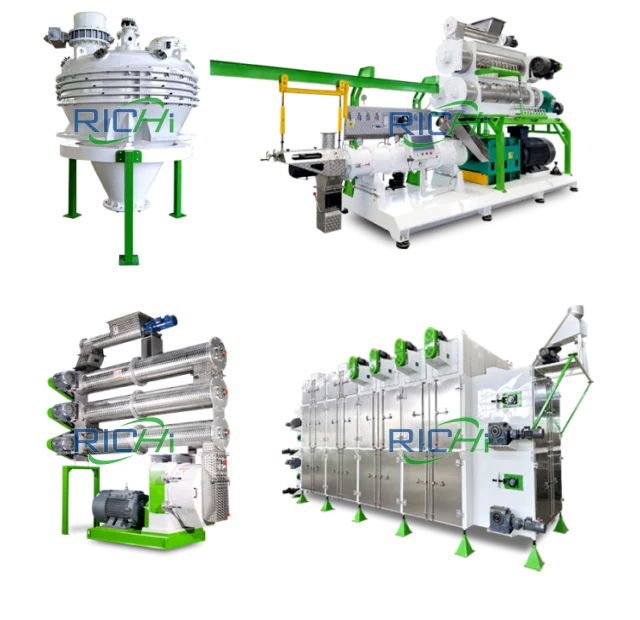
The core equipment of Fish Feed Milling Machine
— Richi Machinery —
There are many types of fish feed pellet machines on the market, each suitable for different scales, species, and farming methods. Below are four of our best-selling mainstream fish feed pellet machines to help you choose the one best suited for your needs. These extrusion models are also versatile enough to produce shrimp feed and a wide range of pet foods, including cat and dog food.
Single-screw Dry type Fish Feed Extruder
Dry fish feed extruders form pellets directly through mechanical extrusion. They have a simple structure and low energy consumption, making them commonly used by small fish farms and family aquaculture households. The resulting pellets have a slightly higher hardness, which is sufficient for species like carp, crucian carp, and grass carp that feed on sinking or semi-sinking feed.
| Model | DGP-90B | DGP-120B | DGP-160B |
| Main Motor Power (kW) | 37 | 55 | 90 |
| Screw Diameter (mm) | 90 | 120 | 160 |
| Overall Dimensions (mm) | 2100*1450*1350 | 2400*1950*1600 | 3100*2650*1800 |
| Output (T/H) | 0.2-0.4 | 0.5-0.6 | 0.8-1.0 |


Single-screw Wet Type Fish Feed Extruder
Wet type fish feed extruders require steam conditioning to fully gelatinize the starch, resulting in more uniform and water-resistant pellets. This is the most commonly used model in commercial feed mills. It is ideal for providing a stable feed supply for large-scale aquaculture of catfish, tilapia, and sea bass.
| Model | DSP-90B | DSP-135B |
| Main Motor Power (kW) | 37 | 75 |
| Screw Diameter (mm) | 90 | 135 |
| Overall Dimensions (mm) | 2600*1600*1900 | 3750*1980*1950 |
| Output (T/H) | 0.5-0.6 | 0.8-1.0 |
Twin-screw fish Feed Extruder Machine
This extruder mainly produces both floating and slow-sinking feeds. The equipment uses high temperature and high pressure for rapid expansion, making the pellets fluffy and easily absorbed. The floating time and degree of expansion can be adjusted according to the process. It is very suitable for tilapia, sea bass, rainbow trout, salmon, ornamental fish, and shrimp, and is currently the most popular fish feed pellet mill.
| Model | SPHS75x2 | SPHS120*2 | SPHS150*2 | SPHS185*2 | |
| Main Motor Power (kW) | 55 | 90 | 110 | 200 | 355 |
| Screw Diameter (mm) | 75 | 120 | 120 | 150 | 185 |
| Modulator Specifications | DC400-244 | DC500-244 | DC500-244 | DC600-300 | DC600-300 |
| Output (T/H) | 0.5-1.0 | 1.5-2.0 | 3.0-4.0 | 5.0-6.0 | 10-12 |


sinking fish feed machine
This type of equipment is specifically designed to produce high-density, fully sinking fish feed. The pellets are more compact and have strong stability in water. It is suitable for bottom-feeding species such as carp, soft-shelled turtles, eels, and sturgeon.
| Model | SZLH250 | SZLH320 | SZLH350 | SZLH420 | SZLH508 | SZLH558 | SZLH678 | SZLH768 |
| Main Motor Power (kW) | 22 | 37 | 55 | 110 | 160 | 185 | 250 | 315 |
| Ring Die Inner Diameter (mm) | 250 | 320 | 350 | 420 | 508 | 558 | 673 | 762 |
| Output (T/H) | 1.0-1.5 | 3-4 | 5-6 | 10-12 | 15-16 | 20-22 | 30-33 | 38-40 |
Auxiliary equipment of Fish Feed Milling Machine
Fish feed processing is a systematic project. A complete fish feed production process requires not only efficient core equipment but also various auxiliary equipment to ensure the smooth operation of raw material processing, mixing, pelleting, and drying.
Auxiliary Display
To ensure the smooth operation of the entire fish feed production process, fish feed milling machines typically include the following auxiliary equipment
>
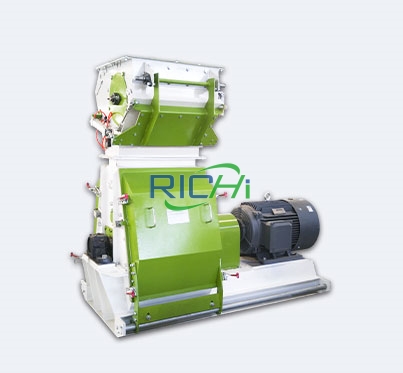
fish & animal feed feed hammer mill

fish Feed cooler

fish & animal Feed mixer machine
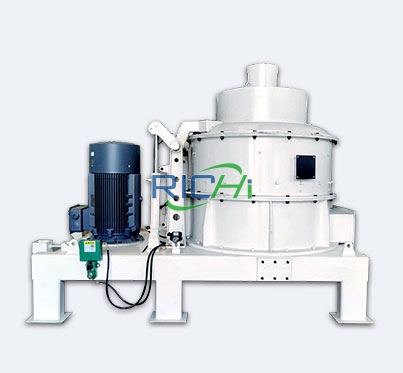

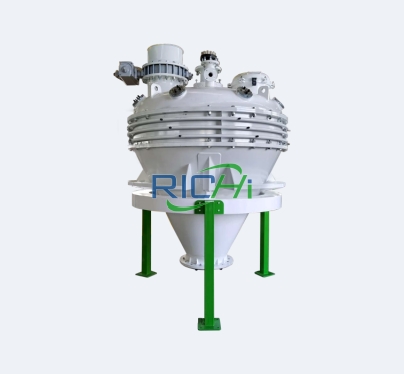

Richi Machinery
project video to Fish Feed Milling Machine
Before learning about our fish feed milling machine, you’d probably be interested in our real-world project examples. Videos of actual factories provide a clear overview of the equipment’s operation, performance, and layout.
The video on the left shows our 5-ton/hour floating fish feed mill project in Russia. This plant was officially completed and put into operation last August and has been running smoothly ever since. Customer feedback indicates very stable pellet quality, smooth machine operation, and high satisfaction with the overall production line performance.
Whether you need a customized, multi-functional production line, such as our 2-ton/hour feed production line + 500 kg/hour fish feed production line in Bangladesh, our floating fish feed pellet line in Iran, or a combination of tilapia feed production line + shrimp feed production line, etc., we can provide you with full-service customization from design to construction. We also support lifetime after-sales service.
How to Produce Fish Feed
— Richi Machinery —
Fish feed milling machine involves more than ten processes from raw material intake to finished product delivery, transforming bulk raw materials into nutritionally balanced pelleted feed. The following details each production stage.

Fish Feed Milling Machine Flowchart: Raw Material Receiving → Cleaning and Impurity Removal → Crushing → Batching → Mixing → Conditioning → Pelletizing → Drying and Cooling → Screening → Oil Spraying (Optional) → Packaging → Warehousing
1. Raw Material Cleaning and Impurity Removal:
After being transported from the storage silo, raw materials pass through cleaning equipment to remove impurities such as stones, mud, and hemp rope. Then, magnetic separation equipment removes metal foreign objects such as iron nails and iron filings, protecting subsequent equipment from damage.
2. Raw Material Crushing:
Large particles such as corn and soybean meal are crushed into fine powder. The fineness of crushing varies depending on the raw material. Generally, fish feed requires passing through a 40-60 mesh sieve.
3. Mixing and Stirring:
The weighed raw materials are added to a mixer and thoroughly mixed to ensure even distribution of components. Mixing time is generally 3-8 minutes.
4. Extrusion Pelletizing:
The conditioned material enters a pellet mill, where it is extruded from the die holes by rollers or a screw to form strip-shaped feed. A cutter mounted outside the die cuts the strip into pellets of the required length. This is the core section of the entire production line.
5. Drying and Cooling:
Freshly extruded pellets reach temperatures as high as 90-110℃ and have a moisture content of 25-30%, requiring rapid cooling and drying. The material is subjected to counter-current cold airflow within the dryer, reducing the moisture content to below 12% and the temperature to room temperature.
6. Oiling and Coating:
To increase feed energy density and palatability, liquid fats such as fish oil or soybean oil are sprayed onto the surface of the pellets. The oiled feed undergoes a brief mixing process to ensure even oil distribution before packaging.
7. Packaging and Warehousing:
The finished feed is transported from the finished product silo to the packaging scale, packaged according to quantity, and then stacked and stored after sewing or sealing.
RICHI MACHINERY
Fish Feed Milling Machine for sale worldwide
By now, you should already have a clear idea of what equipment is needed to build a complete fish feed production system. Whether you’re a small scale fish feed plant or a large fish feed manufacturing plant, you’ll want equipment that adapts to local raw materials and delivers stable output. Below are some project case studies and related videos of our fish feed pellet production equipment, which should be helpful to you.
Floating Fish Feed Milling Machine in Iran
Bangladesh Combined Line: Fish Feed Line + Animal Feed Line
Indonesia Fish and Shrimp Feed Production Line
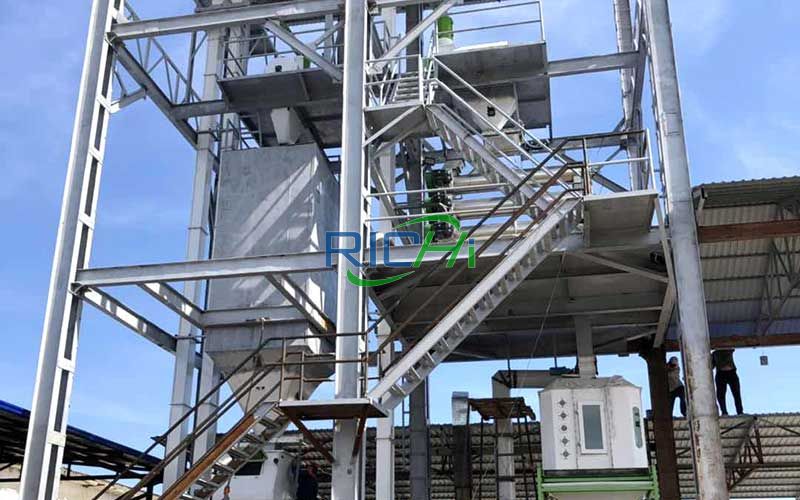
5T/h Aquatic Feed Mill for Sale Russia
- Project Timeline: Signed in May 2024, Production started in October
- Project Scale: 5 tons/hour
- Main Products: Sturgeon, carp, grass carp feed
- Main Raw Materials: Corn, soybean meal, fish meal, wheat flour, vitamin and mineral additives
- Additional Orders: Six months after production started, the customer added a poultry feed pellet mill, upgrading the original production line to a complete poultry feed pellet production line capable of producing various feed pellets.
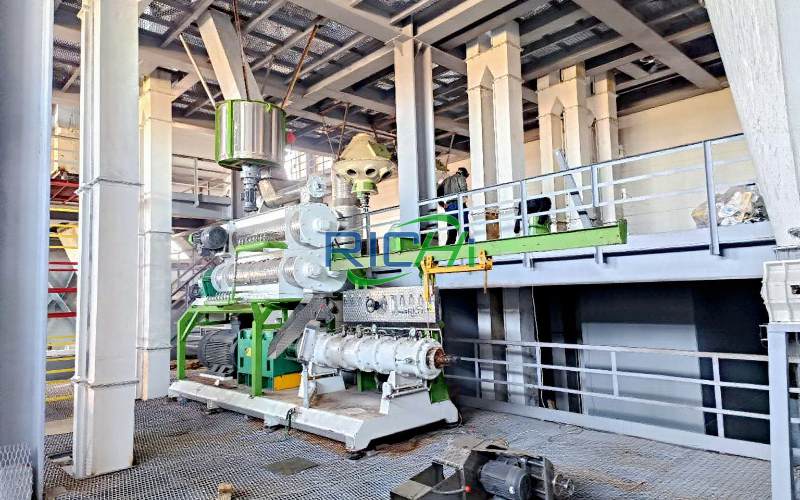
Fish Feed Processing Plant for Sale USA
- Project Timeline: Signed in February 2024, Production started in June
- Project Scale: 3 tons/hour
- Main Products: Catfish feed, tilapia feed
- Main Raw Materials: Corn, soybean meal, fish meal, wheat bran, dicalcium phosphate, premixed feed
- This customer referred a new client to us, who purchased our 3-5 ton/hour sinking fish feed production line. The cooperation went smoothly.

0.5 t/h floating fish feed milling machine for sale Indonesia
- Project Timeline: Signed in August 2025, production commenced in March 2024
- Project Scale: 0.5 tons per hour
- Main Products: Tilapia floating feed, shrimp feed, marine fish feed
- Main Raw Materials: Corn flour, soybean meal, fish meal, shrimp meal, tapioca flour, oil, premixed feed
- Equipment List: Fish feed mixer, small-scale floating fish feed extruder, belt dryer, etc.
Applications and Raw Material Selection
Fish feed milling machine is actually used in many different fish feed factory, because one machine can handle feeds for various species. In our daily work with customers, we often help them adjust formulas based on whatever raw materials they can buy locally. We currently offer fish feed formulations tailored to local raw materials to many countries, including Canada, Vietnam, and Indonesia. Please feel free to contact us with any needs you may have.
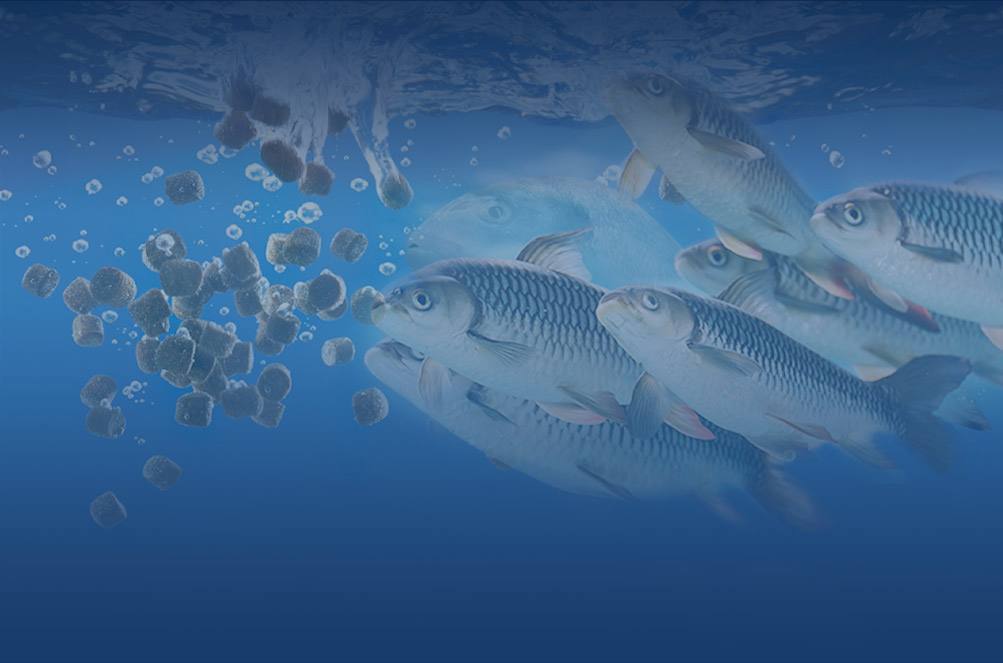

Applications
Floating fish feed plant is widely used in commercial aquaculture feed mills, large fish farms, and general feed processing enterprises. They can produce floating, slow-sinking, and sinking fish feed pellets, covering common species such as tilapia, catfish, grass carp, sea bass, and shrimp. The same extrusion system is also flexible enough to handle pet food like cat and dog feed, and pellet size is easily adjustable — from 0.8mm for juvenile fish to 10mm for adult fish. Maintenance costs are extremely low.


Raw Material Selection
When making fish feed, the selection of the right raw materials is crucial. Fish feed plants can process a variety of common feed ingredients, including corn, wheat, soybean meal, fishmeal, rice bran, cassava flour, meat and bone meal, and vitamin and mineral premixes. Different raw materials directly affect the pellet’s nutritional value, buoyancy, water resistance, and digestibility.
If you are not familiar with this area, RICHI’s technical department will provide you with professional technical formulas free of charge, based on your specific circumstances (such as the market conditions of raw materials in your country, the climate, and what type of fish feed pellets you need to produce).
Why are Fish Feed Milling Machine Crucial for Modern Aquaculture?
As global aquaculture continues to expand, feed cost and quality have become key factors in the profitability of farms. More and more customers are choosing professional fish feed manufacturer, primarily for the following reasons:
More Stable Pellet Quality
- Fish are more willing to eat, resulting in higher feed intake rates
- Less waste, higher feed utilization
- More stable FCR (feed ratio) and more controllable costs
Easier control over nutrient ratios
- The moisture content of raw materials varies greatly between different countries, so it’s essential to maintain it within the optimal range.
- Whether fish feed pellets float and their water resistance largely depend on the sufficient gelatinization of starch.
- Fish are highly sensitive to protein digestion and absorption, especially tilapia, catfish, and salmon.
- Oil is a key energy source in fish feed, but excessive addition or uneven absorption can lead to fish not liking to eat.
One Set of Equipment Can Produce Multiple Fish Feeds
The fish feed plant has a wide range of applications. A single production line can flexibly produce floating feed, slow-sinking feed, sinking feed, tilapia, catfish, grass carp feed, shrimp feed, ornamental fish feed, etc.
Particle diameter can be easily adjusted from 0.8mm to 10mm to meet the needs of different stages and fish species.
Lower Operating Costs and Less Worry-Proof
Customers who have used our equipment generally report that they require fewer workers, experience less wear and tear and waste, and enjoy stable operation even 24/7.
Our Honors & Certifications
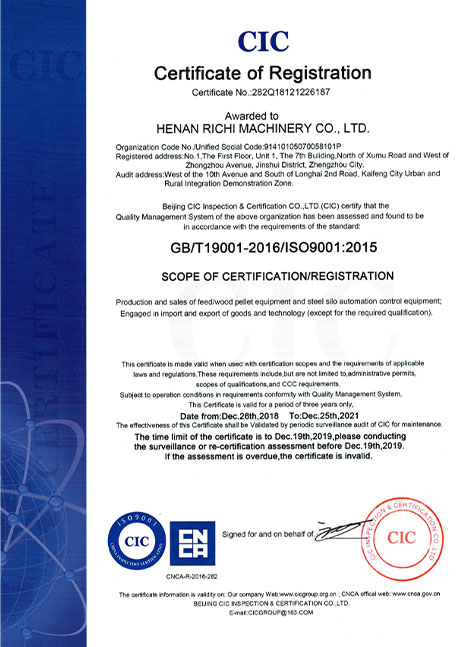
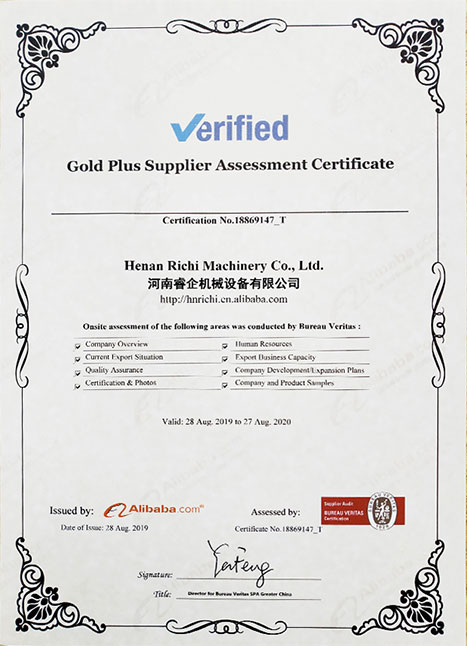
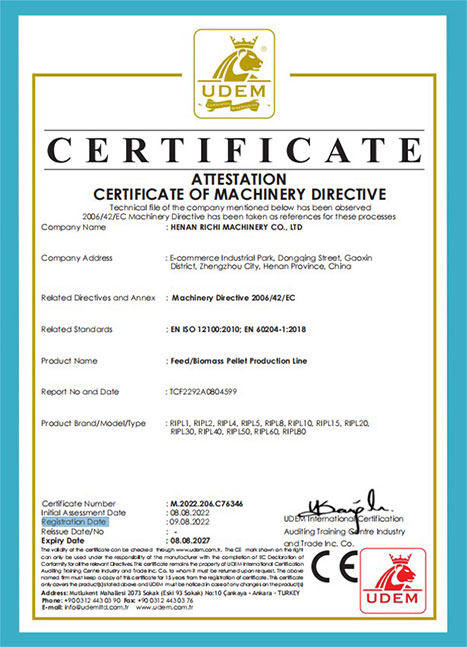
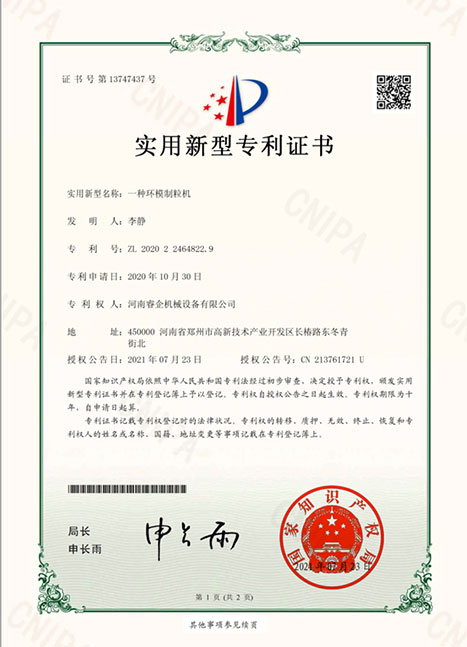
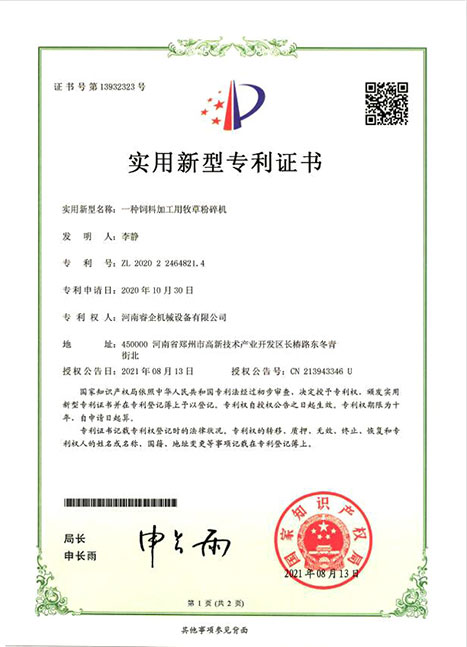
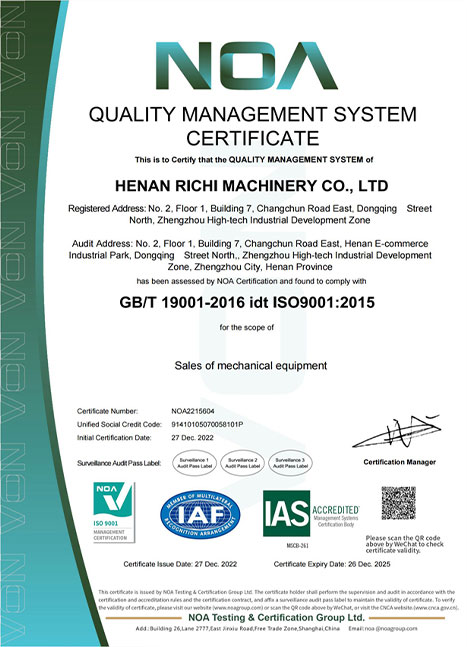
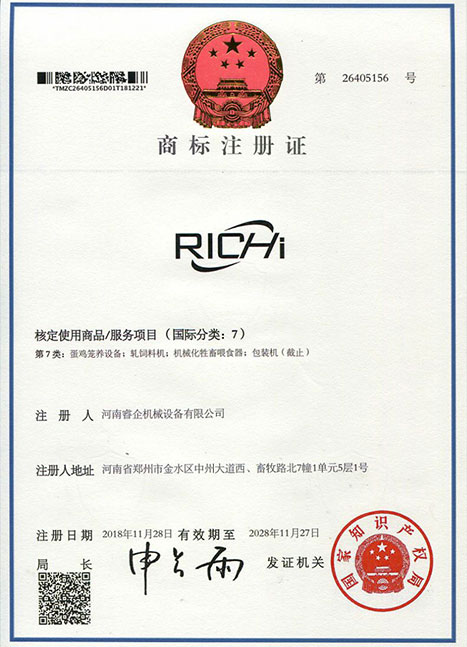
At RICHI Machinery, quality and innovation go hand in hand. Over the years, we have earned numerous international certifications and national patents, covering product design, manufacturing excellence, and quality control. These certificates reflect our strong R&D capabilities and global trust in our feed and biomass machinery solutions. We remain committed to delivering reliable technology and long-term value to our customers worldwide.