Machine à boulettes de luzerne

De nombreux éleveurs sont depuis longtemps confrontés à des difficultés liées à l'utilisation de la luzerne : l'alimentation à base de luzerne en vrac entraîne d'importantes pertes, ce qui se traduit par un gaspillage considérable au niveau de la consommation animale ; la luzerne brute contient des fibres grossières et dures difficiles à digérer, et sa composition nutritionnelle est déséquilibrée ; par ailleurs, le rendement et la qualité du foin sont très sensibles aux conditions météorologiques, et le stockage ainsi que le transport posent également de réels défis. Opter pour une machine à granulés de luzerne RICHI permet de transformer facilement la luzerne en granulés alimentaires bien formés. Les granulés de luzerne ainsi obtenus présentent une composition nutritionnelle équilibrée, ce qui améliore considérablement la digestibilité et l’absorption par le bétail, tout en réduisant efficacement le gaspillage alimentaire et en libérant les éleveurs des contraintes passives imposées par les conditions météorologiques !
Principaux atouts de nos équipements
Le principal défi lié à la granulation de la luzerne réside dans la forte teneur en fibres, la faible densité et les faibles propriétés liantes de la matière première, auxquelles s'ajoute une usure importante des équipements pendant le traitement. Cela impose des exigences plus élevées en matière de capacité de compression, de résistance à l’usure, de configuration de puissance et de conception globale du processus des équipements de granulation. La granuleuse de luzerne RICHI a été spécialement optimisée et développée pour répondre à ces difficultés rencontrées lors des opérations de granulation de la luzerne. Elle est équipée d’une matrice annulaire à rapport de compression élevé, d’un système de transmission par engrenages à haute puissance, d’un dispositif de conditionnement à la vapeur et d’un système d’alimentation uniforme et stable. De plus, sa conception structurelle résistante à l’usure garantit en permanence la qualité des granulés finis et l’efficacité globale de la machine en termes de production.
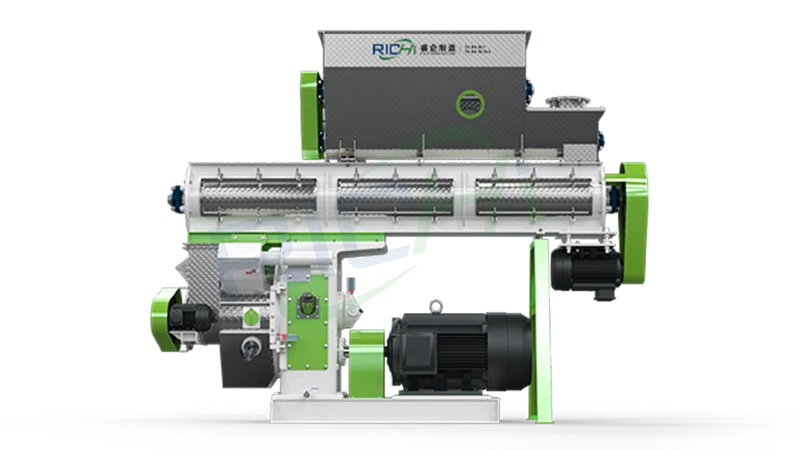
Conception de matrice à segments à rapport de compression élevé
La structure fibreuse et meuble du foin nécessite une force de compression plus importante. La granuleuse à luzerne RICHI utilise une matrice annulaire à rapport de compression élevé afin d'augmenter la pression d'extrusion.
La matrice annulaire et les rouleaux de pression sont fabriqués en acier allié à haute résistance, ce qui les rend plus résistants à l'usure. De plus, l'ouverture de la matrice annulaire et le taux de compression peuvent être réglés en fonction des caractéristiques des différentes matières premières (luzerne, paille, céréales).
Système d'entraînement par engrenages à haute puissance
Par rapport aux transmissions à courroie traditionnelles, les transmissions à engrenages permettent de développer un couple plus élevé et plus stable, ce qui les rend plus adaptées aux matières premières riches en fibres, telles que la luzerne, ainsi qu'aux conditions de granulation à haute pression.
L'équipement est équipé d'un moteur principal de marque Siemens, qui offre une puissance de sortie suffisante et des fluctuations de fonctionnement minimes, garantissant ainsi une production continue et stable sur de longues périodes.
Système de climatisation à haut rendement
Les sources de fourrage sont complexes et leur teneur en humidité varie considérablement. Une teneur en humidité trop élevée ou trop faible dans les matières premières peut nuire à la stabilité des granulés.
Notre machine à granuler la luzerne est équipée d'un conditionneur à vapeur intelligent capable d'ajuster la quantité de vapeur injectée en fonction de l'état de la matière première. De plus, le fourrage est soigneusement conditionné, ce qui le rend appétissant et facilite sa digestion et son assimilation par le bétail.
Système d'alimentation stable
Une fois broyé, le foin de luzerne est meuble, léger et présente une faible fluidité, ce qui le rend sujet à la formation de ponts et aux obstructions lors de l'alimentation. La machine à granulés de luzerne RICHI est équipée d'un dispositif d'alimentation à conditionnement à fréquence variable qui ajuste automatiquement le débit d'alimentation en temps réel, évitant ainsi efficacement les obstructions de l'équipement et les temps morts.
Le mécanisme d'alimentation utilise une structure anti-pontage à double arbre pour empêcher la formation de ponts et l'accumulation de matière à la source ; associé à un dispositif d'alimentation forcée, il pousse la matière en continu, garantissant ainsi une alimentation régulière du foin dans la chambre de granulation.
Paramètres techniques
| Modèle (pour l'alimentation) | CZLH320 | CZLH350 | CZLH420 | CZLH520 | CZLH678 | CZLH768 |
|---|---|---|---|---|---|---|
| Capacité (T/H) | 0.5-0.6 | 1.0-1.2 | 1.8-2.0 | 2.8-3.0 | 4.0-5.0 | 6.0-8.0 |
| Puissance du moteur principal (kW) | 22 | 37 | 90 | 132 | 185 | 250 |
| Puissance de l'alimentateur de rupture d'arche (kW) | 2.2 | 2.2 | 3 | 3 | 3 | 4 |
| Puissance d'alimentation forcée (kW) | 0.75 | 0.75 | 1.5 | 1.5 | 1.5 | 1.5 |
| Diamètre de l'anneau (mm) | 320 | 350 | 420 | 420 | 673 | 762 |
| Diamètre des granulés (mm) | 2-12 | |||||
La capacité de l'équipement dépend de la teneur en luzerne. Plus la teneur en luzerne est élevée, plus la capacité de l'équipement est faible. Si vous souhaitez en savoir plus sur notre machine à granulés de luzerne, n'hésitez pas à nous contacter. Nous pourrons vous recommander un modèle adapté en fonction de votre volume de production et de votre budget.
La technologie de RICHI étant constamment mise à jour et itérée, nous mettrons à jour et innoverons continuellement notre équipement. Par conséquent, les paramètres spécifiques de l'équipement sont soumis au devis réel. Nous fournirons des services de conception et de production personnalisés plus professionnels pour chaque client.
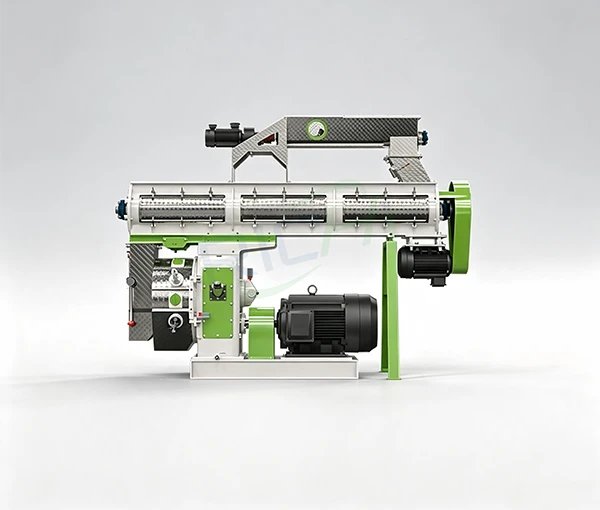
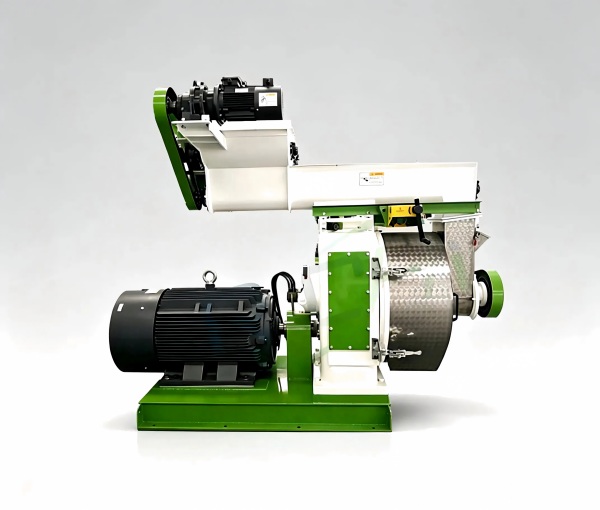
Autres machines à granulés d'herbe à vendre
Vidéos de fonctionnement des équipements
Un équipement de qualité doit offrir des performances constantes en conditions réelles de production. Regardez la vidéo ci-dessous pour découvrir la machine à granulés de luzerne RICHI en action chez des clients. Un flux de production régulier, une qualité de granulés homogène et un fonctionnement sans faille soulignent la fiabilité des solutions de transformation de la luzerne proposées par RICHI. Vous avez besoin d'un accompagnement sur mesure pour la production de granulés de luzerne ? Contactez RICHI pour discuter des détails de votre projet.
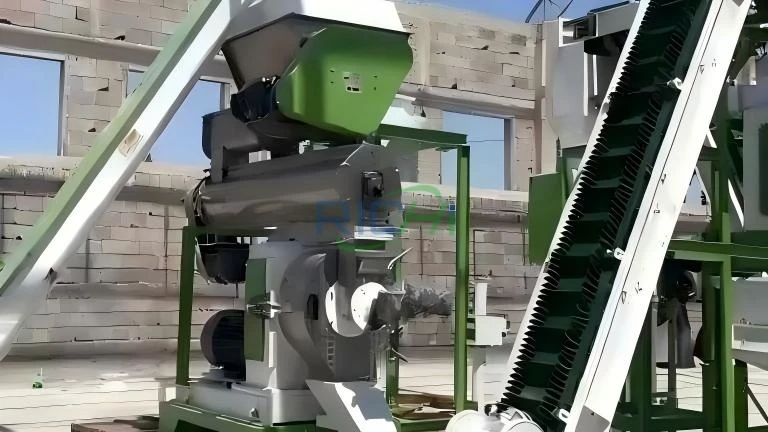

Machine à granulés de luzerne d'une capacité de 0,5 à 0,8 t/h à vendre au Kazakhstan
Le client est une entreprise d'alimentation animale située au Kazakhstan, spécialisée principalement dans la production et la vente d'aliments fourragers. La saison de récolte du fourrage dans ce pays est concentrée, le foin frais présentant une teneur en humidité pouvant atteindre 65%-75%. Les méthodes traditionnelles de séchage naturel sont très sensibles aux conditions météorologiques et nécessitent de longs délais de traitement, ce qui les rend inadaptées à la production d'aliments pour animaux à grande échelle.
Le client a besoin d'une solution intégrée de séchage et de granulation afin de résoudre le problème du séchage du fourrage à forte teneur en humidité, tout en transformant le foin en aliments granulés pour faciliter son stockage, son transport et sa commercialisation.
Usine de granulés de luzerne d'une capacité de 8 à 10 t/h à vendre en Égypte
Avant d'investir dans un système de production de granulés, le client s'appuyait principalement sur du foin en balles traditionnelles et des aliments composés en vrac. Cependant, il était difficile de maintenir l'équilibre nutritionnel des aliments mélangés manuellement. Afin d'améliorer l'efficacité de l'alimentation et d'offrir un régime alimentaire plus stable au bétail, le client a prévu de mettre en place un système complet de production de granulés alimentaires destiné à la fabrication de granulés de ration totale mélangée (RTM) à base de luzerne.
Le client recherchait une solution capable non seulement de traiter de la luzerne à haute teneur en fibres, mais aussi de la combiner avec des ingrédients énergétiques et protéiques tels que le maïs, le blé et le tourteau de soja afin de produire des granulés alimentaires équilibrés sur le plan nutritionnel.
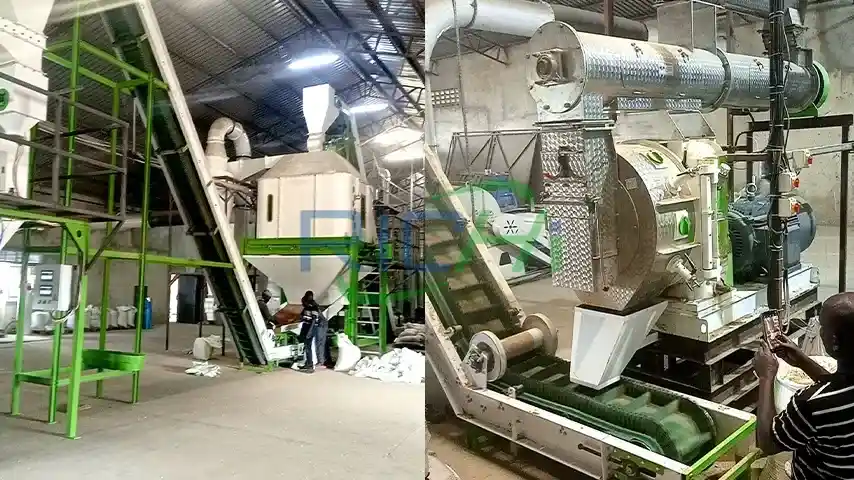
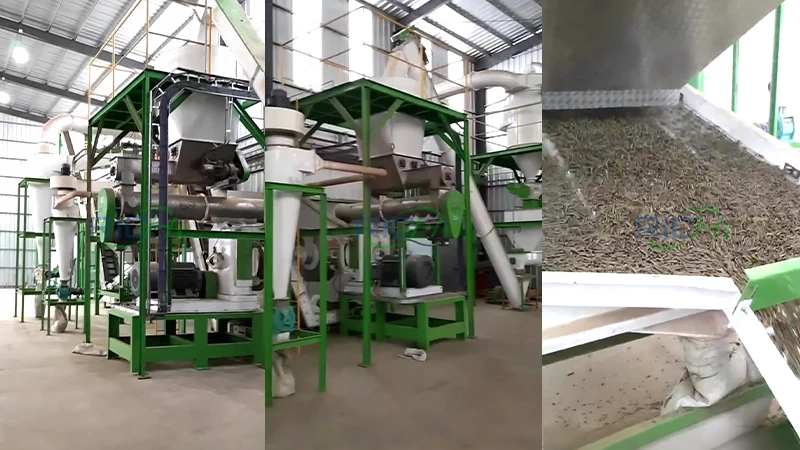
Machine à granulés de foin de luzerne d'une capacité de 2 à 3 t/h à vendre en Australie
L'Australie dispose d'un secteur de l'élevage très développé et connaît une forte demande du marché en aliments pour animaux de haute qualité. Ce client, optimiste quant aux perspectives du secteur de la transformation des aliments pour ruminants, prévoit d'utiliser le foin de luzerne local, disponible en abondance, pour produire des aliments granulés et nous a confié la mission de mettre au point une solution complète de granulation du foin de luzerne.
La matière première fournie par le client est du foin de luzerne séché au soleil, qui ne nécessite aucun séchage secondaire et peut être directement transformé en granulés après broyage. Par ailleurs, la formule comprend du maïs, du blé et d’autres céréales afin d’améliorer encore la valeur nutritionnelle de l’aliment.
Processus complet de la chaîne de production de granulés de luzerne
La granulation de la luzerne ne se résume pas à simplement compresser le foin en granulés ; elle nécessite une conception systématique tenant compte des caractéristiques de la matière première, de sa teneur en humidité, de sa teneur en fibres et de son utilisation finale. RICHI propose des services d'ingénierie clés en main pour des lignes de production complètes de granulés de luzerne, offrant des solutions sur mesure aux élevages, aux usines d'aliments pour animaux et aux projets d'investissement commerciaux de toutes tailles, depuis le prétraitement des matières premières, le broyage, le séchage, le mélange et la granulation jusqu'au refroidissement, au criblage et au conditionnement.
01
Préparation des matières premières
Déballage, découpe et traitement préliminaire des balles de foin de luzerne afin de mettre cette matière à fibres longues dans un état adapté à la transformation ultérieure, ce qui permet d'améliorer la stabilité de la production.
02
Séchage
Le foin de luzerne frais, qui présente une teneur en humidité élevée, est soumis à un processus de séchage visant à réduire rapidement cette teneur afin de garantir un stockage en toute sécurité. Ce processus permet également d'amener le foin de luzerne à un taux d'humidité adapté à la fabrication de granulés.
03
Meulage
Transformation du foin de luzerne en poudre homogène à l'aide d'un équipement de broyage du foin. Conformément aux exigences de formulation du client, des céréales et des ingrédients protéiques tels que le maïs, le blé, la farine de soja et le son peuvent être ajoutés afin d'obtenir un aliment composé complet.
04
Dosage et malaxage
Le contrôle précis des proportions des différentes matières premières garantit que chaque lot de granulés alimentaires présente une composition nutritionnelle stable, répondant aux besoins alimentaires de différents animaux tels que les bovins, les ovins et les chevaux.
05
Granulation
Après avoir été traitée à la vapeur, par humidification ou à l'aide d'additifs liquides, la préparation est acheminée vers la presse à granulés de luzerne, où elle est transformée, sous haute pression, en granulés de luzerne présentant une densité homogène, une résistance élevée et facilitant le stockage et le transport.
06
Refroidissement et tamisage
Réduit la température et la teneur en humidité des particules, augmente leur dureté et élimine les particules non conformes, garantissant ainsi que le produit fini réponde à des normes commerciales stables.
07
Emballage
Configure des systèmes de conditionnement automatisés en fonction des besoins commerciaux des clients, permettant ainsi un conditionnement standardisé des particules finies afin de faciliter leur transport, leur stockage et leur commercialisation.
Équipements auxiliaires pour la production de granulés de luzerne
Une machine à granulés de luzerne à haut rendement ne constitue qu'un élément parmi d'autres d'une chaîne de production de granulés de luzerne pleinement opérationnelle. Pour garantir une qualité constante des granulés et tirer le meilleur parti de votre capacité de production, vous devez disposer d'équipements adaptés à chaque étape du processus de transformation. Fabrication RICHI fournit tous les équipements nécessaires à la fabrication de granulés de luzerne. Si vous envisagez de mettre en place une ligne de granulation de luzerne et que vous ne savez pas quelles machines acheter, n'hésitez pas à contacter notre équipe. Nous sommes en mesure de vous proposer des projets clés en main complets.
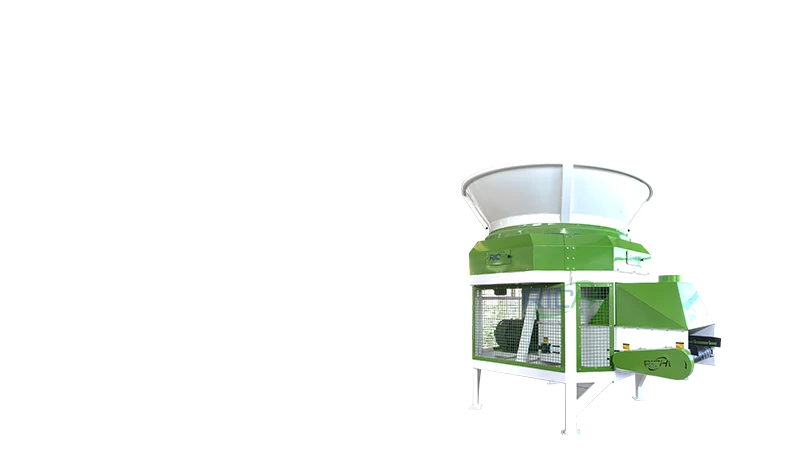
Broyeur de balles de foin de luzerne
Le démantèlement des balles de luzerne améliore l'efficacité du prétraitement de la matière première et réduit les coûts de main-d'œuvre.
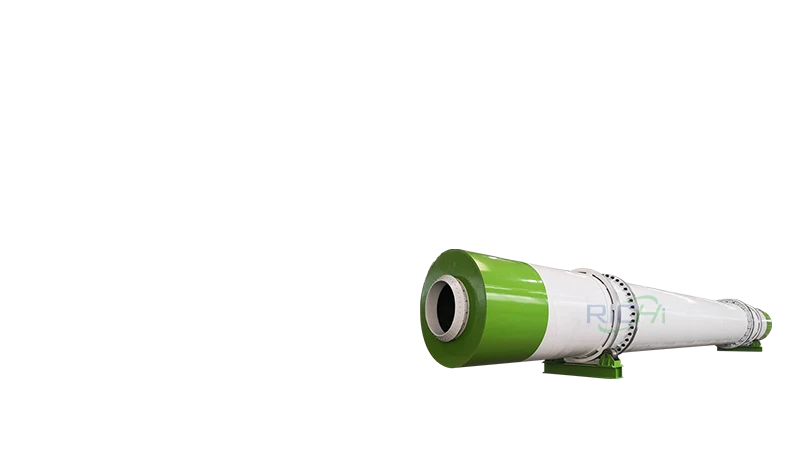
Réduit la teneur en humidité des matières premières à base de luzerne afin de respecter les exigences d'humidité requises pour la granulation et de garantir la formation des granulés.
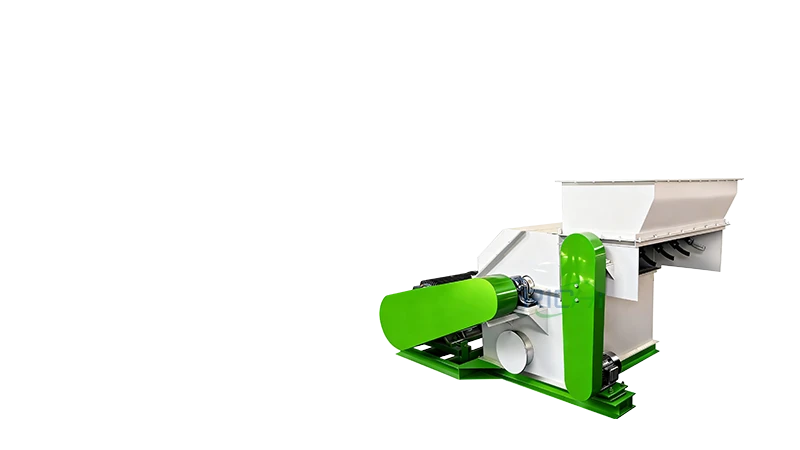
Broyeur à luzerne
Réduit en poudre fine et homogène le foin de luzerne à fibres longues.
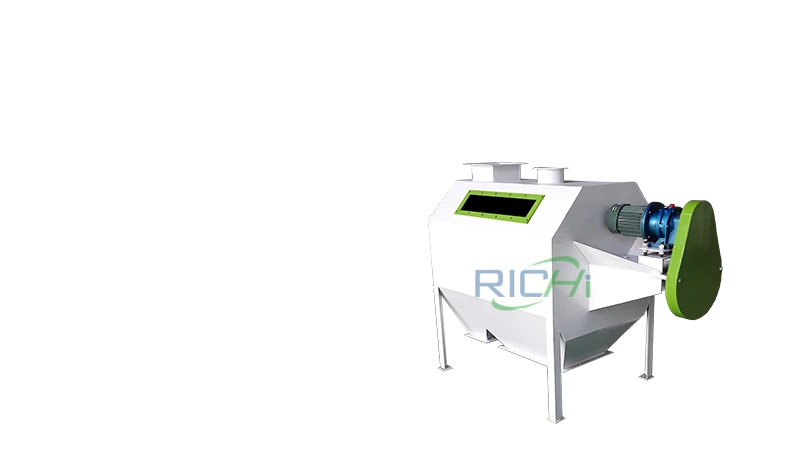
Machine de nettoyage pour la farine de luzerne
Élimine les impuretés et les matières ne répondant pas aux exigences en matière de granulométrie de la poudre de luzerne afin d'améliorer la qualité de l'aliment fini.
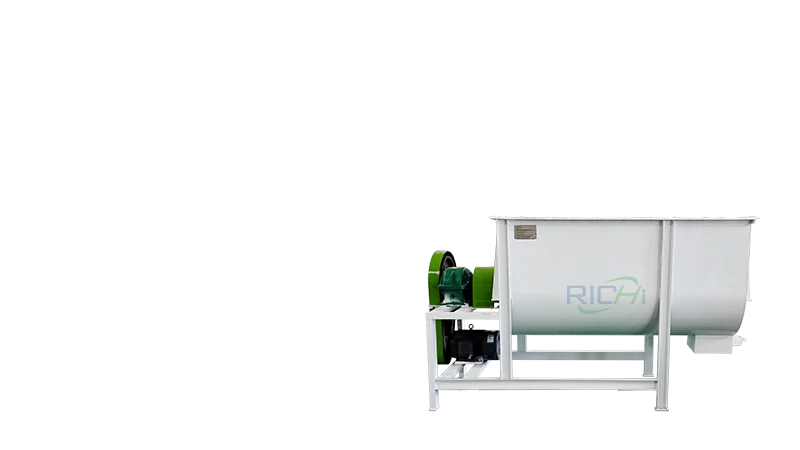
Machine à mélanger la luzerne
Mélange soigneusement la farine de luzerne avec d'autres ingrédients alimentaires tels que le maïs, le blé et la farine de soja afin de garantir une alimentation équilibrée.
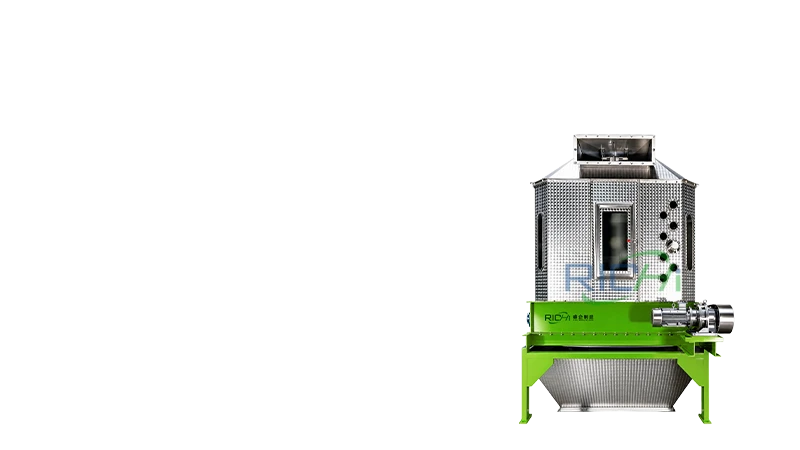
Refroidisseur de granulés à contre-courant
Réduit la température et le taux d'humidité des granulés après le séchage afin d'augmenter leur dureté et d'éviter la condensation pendant le stockage.
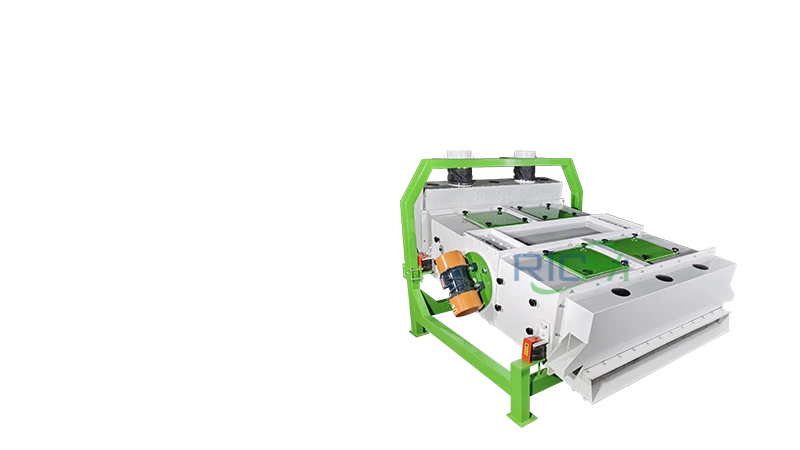
Équipement de criblage vibrant
Séparer la poudre des particules non conformes, afin de garantir que le produit fini présente des particules uniformes et esthétiquement agréables.
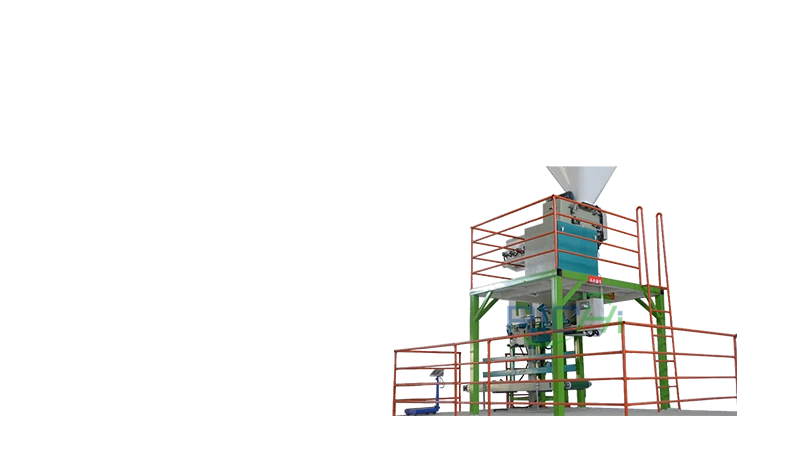
Équipement d'ensachage d'aliments pour animaux
Pèse et conditionne avec précision les granulés de luzerne finis afin d'en faciliter le stockage, le transport et la vente.
Questions fréquemment posées
Quelles matières premières peuvent être transformées par une machine à granulés de luzerne ?
→
Les machines à granulés de luzerne sont principalement utilisées pour transformer des matières premières riches en fibres, telles que le foin de luzerne, la poudre de luzerne, le fourrage et l'ensilage. Elles peuvent également être mélangées à des céréales et à des matières premières protéiques, telles que le maïs, le blé, la farine de soja et le son, afin de produire des granulés d'aliments complets pour animaux.
Quelle est la teneur en humidité recommandée pour la luzerne avant la granulation ?
→
La teneur en humidité des matières premières à base de luzerne doit généralement être maintenue entre environ 12% et 15% afin de garantir de bons résultats de moulage. Si les matières premières sont trop sèches ou trop humides, il convient de les ajuster en les séchant ou en y ajoutant de l'humidité.
La machine à granuler la luzerne permet-elle de produire des granulés d'aliments complets pour animaux ?
→
Oui. Grâce à l'ajout d'ingrédients et à l'utilisation de systèmes de mélange, la luzerne peut être mélangée à des matières premières telles que le maïs, le blé, la farine de soja et des minéraux afin de produire des granulés d'aliments composés complets qui répondent aux besoins nutritionnels d'animaux tels que les bovins, les ovins et les chevaux.
Quelles sont les options de capacité disponibles pour les machines de fabrication de granulés de luzerne ?
→
RICHI propose des machines de fabrication de granulés de luzerne de différentes capacités, en fonction des besoins des clients. Les petits équipements sont adaptés à une utilisation dans les ranchs, tandis que les grands équipements peuvent être utilisés dans des usines commerciales de transformation d'aliments pour animaux. La capacité d'une seule machine peut généralement aller de 0,5 à 20 t/h, voire plus, et il est possible de combiner plusieurs machines pour augmenter la production.
Quelle taille de granulés de luzerne peut-on produire ?
→
Le diamètre des granulés de luzerne varie généralement entre 2 et 12 mm. Il est possible d'utiliser des matrices annulaires de différentes tailles pour produire des granulés de luzerne adaptés aux besoins alimentaires de divers animaux, tels que les bovins, les ovins, les chevaux et les cerfs.
Ai-je besoin d'une chaîne de production complète de granulés de luzerne ou simplement d'une granuleuse ?
→
La décision dépend de l'échelle de production du client et des caractéristiques des matières premières. Si l'entreprise dispose déjà d'équipements tels qu'un broyeur et un mélangeur, un granulateur de luzerne peut être acheté séparément ; si l'usine est construite dès le début du traitement des matières premières, RICHI peut fournir une ligne de production clé en main complète comprenant le déballage, le broyage, le mélange, la granulation, le refroidissement, le criblage et le conditionnement.
En quoi une usine de granulation de luzerne améliore-t-elle le stockage et le transport des aliments pour animaux ?
→
La granulation permet d'augmenter la densité de la luzerne, de réduire l'espace de stockage et les coûts de transport, tout en limitant la poussière et le gaspillage alimentaire et en améliorant l'assimilation des aliments. Elle est particulièrement adaptée au stockage à long terme et au transport sur de longues distances.
Quels sont les facteurs qui influencent le prix d'une machine à granulés de foin de luzerne ?
→
Les prix des équipements dépendent principalement de la capacité, du niveau d'automatisation, de la configuration de la chaîne de production, des exigences en matière de traitement des matières premières et des besoins de personnalisation des clients. Par exemple, le coût d'investissement d'une chaîne de production de granulés de luzerne à grande échelle et entièrement automatisée sera plus élevé que celui d'une machine individuelle.
Pouvez-vous assurer l'installation et l'assistance technique d'une ligne de production de granulés de luzerne ?
→
Oui. RICHI propose non seulement des lignes de production de granulés de luzerne, mais aussi des services d'ingénierie clés en main complets, comprenant la conception des procédés, l'accompagnement à l'installation des équipements, la formation à la mise en service, l'optimisation des formules et une assistance technique à long terme, afin d'aider les clients à atteindre rapidement une production stable.
Quelle est la période de garantie de l'équipement ?
→
Nous offrons une garantie d'un an. Pendant la période de garantie, nous assurons gratuitement la réparation sur place de tout dysfonctionnement non dû à une intervention humaine. (Consultez notre YouTube)